


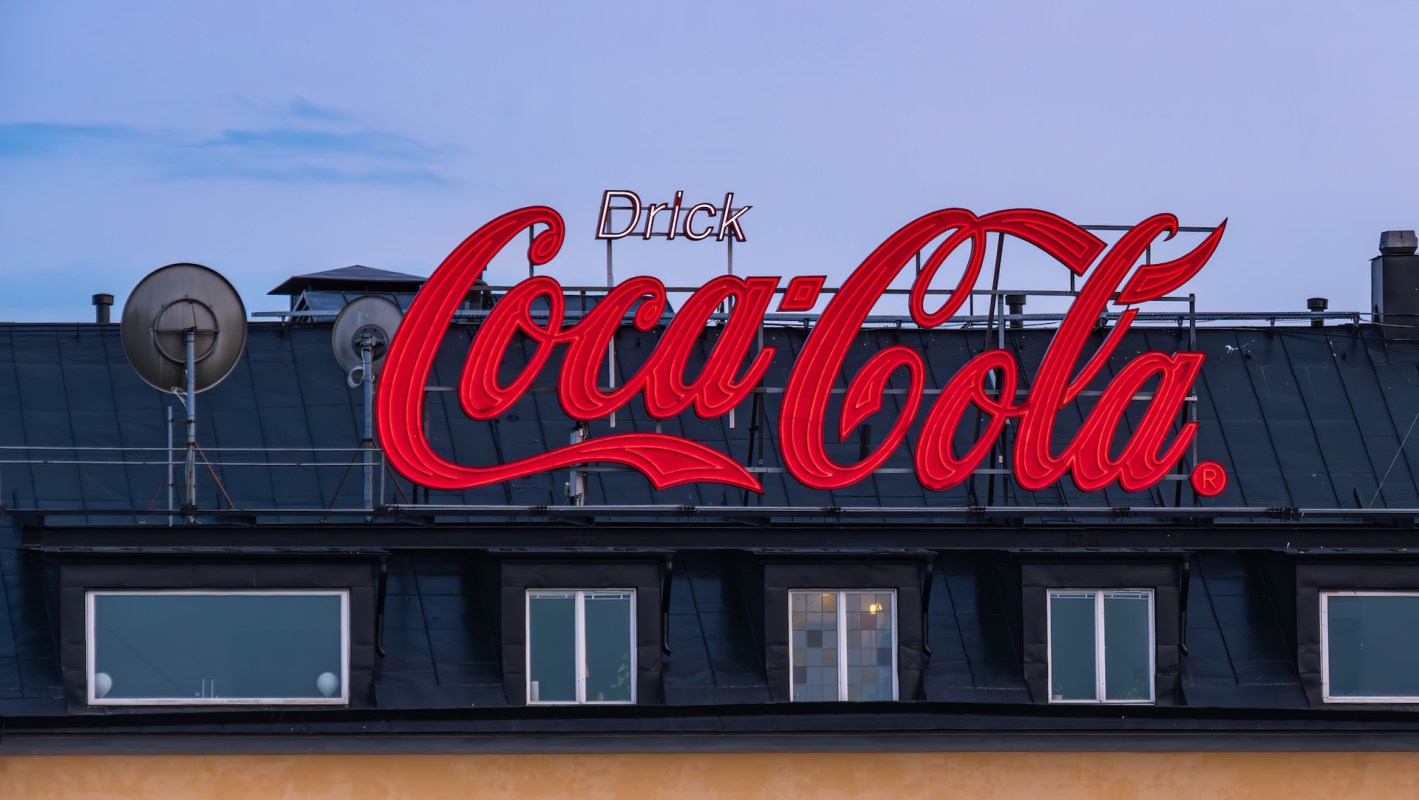
Officials in several Mexican cities cancelled a popular holiday celebration featuring Coca-Cola's iconic Christmas Caravan trucks, citing concerns that the events promote high-sugar drinks to children.
What's happening?
For the 2025 holiday season, Mexico City, Mexicali, and other Mexican cities canceled traditional Coca-Cola holiday brand events after President Claudia Sheinbaum and consumer rights organizations called for officials to stop spotlighting sugary drinks at children's events.
The company still sponsored holiday displays in some smaller Mexican cities, but its presence in major hubs noticeably declined, the International Business Times reported.
The shift is part of broader nationwide efforts to reduce sugar consumption to help address public health concerns.
Mexico has sharply increased its tax on sugary beverages, nearly doubling it in 2026, to help fund wellness-based initiatives. In response to the tax, Coca-Cola agreed to reduce sugar content by about 30% across its product lineup in Mexico.
Why is this important?
This scaled-back holiday presence underscores how governments and communities are rethinking the role of brands in public celebrations.
TCD Picks » Quince Spotlight
💡These best-sellers from Quince deliver affordable, sustainable luxury for all




While it is an oversimplification to blame health concerns on high-sugar beverages alone, consumption patterns and marketing practices still warrant scrutiny.
The American Heart Association recommends consuming no more than 25 to 36 grams of sugar a day. A 12-ounce can of Coke, however, currently contains 39 grams of sugar.
The CDC reported that sugary drinks are the leading source of added sugars in the American diet, with studies associating frequent consumption with health impacts like weight gain, Type 2 diabetes, heart disease, tooth decay, and more.
Still, it's important to note that people can consume sugary beverages and still be healthy. Rather than radical restriction, awareness and balance play a central role in supporting overall public health and well-being.
|
Should the government continue to give tax incentives for energy-efficient home upgrades? Click your choice to see results and speak your mind. |
 Absolutely 💯
 What does this mean for Coca-Cola?
Coca-Cola's reduced holiday visibility further indicates that both officials and consumers are paying close attention to brand values and corporate behavior.
With the IB Times reporting that advocates had been classifying the marketing aimed at children as "predatory" behavior, moments like this can prompt companies to reconsider their marketing and public image to align with evolving expectations.
If public health is part of the conversation, environmental impact is another area where Coca-Cola faces scrutiny.
While the company has taken steps to pollute less and invest in sustainability initiatives, it remains heavily reliant on plastic packaging. In fact, Coca-Cola has been named by Break Free From Plastic as the world's largest plastic polluter multiple years in a row, producing billions of single-use plastic bottles annually that often end up in landfills or waterways.
The brand's bottles account for 11% of all branded plastic waste globally, according to research cited by Axios.
The company has also faced criticism for greenwashing, or presenting itself as more environmentally responsible than its practices actually support.
Campaigns highlighting recycling efforts, for example, have drawn backlash for shifting responsibility onto consumers while the company continues to expand plastic production.
The company also has a significant impact on the communities where it operates, particularly regarding water exploitation and environmental pollution.
In 2025, the company quietly abandoned its pledge to make 25% of its bottles returnable or refillable by 2030. It also revised its recycled-content target from 50% by 2030 to just 35% to 40% by 2035.
That said, Coca-Cola has made some measurable progress for the planet. The brand has increased the use of recycled plastic in certain markets, investing in refillable glass bottles in others, and launched programs aimed at replenishing local water sources where it operates.

Get TCD's free newsletters for easy tips to save more, waste less, and make smarter choices — and earn up to $5,000 toward clean upgrades in TCD's exclusive Rewards Club.







