


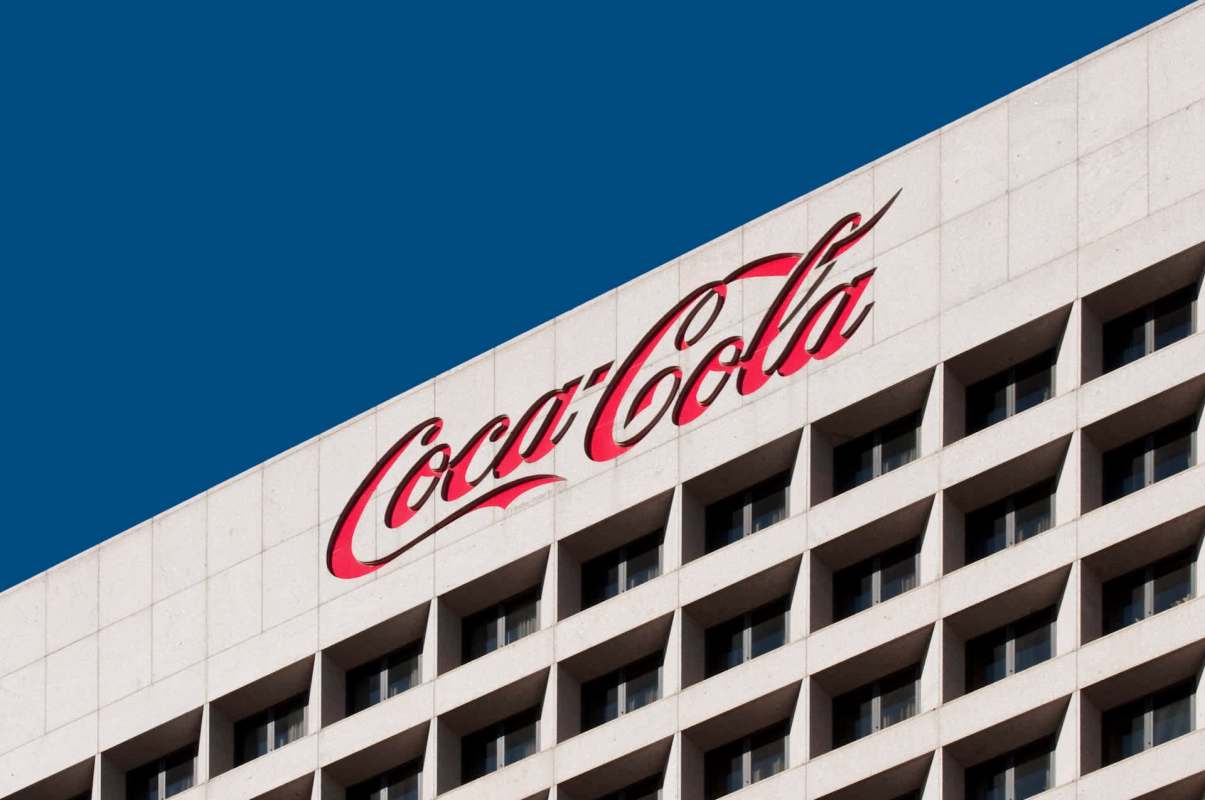
Coca-Cola faced mounting criticism in Colombia after allegations that it cemented over natural springs in La Calera, threatening local access to clean water. As Colombia One reported, residents and officials said the company's decades-old concession prioritized bottling profits over community needs.
What's happening?
House Representative Pizarro accused Coca-Cola of "illegal exploitation" of seven natural springs, claiming the company cemented and partially covered them with metal sheets.
Colombia's National Code of Natural Resources prohibits such actions, which are supposed to protect and preserve water for public use.
"This procedure is clearly illegal and disregards the right to water of more than 12,000 residents who depend on the San Lorenzo stream," said Representative Maria del Mar Pizarro.
Residents are already feeling the consequences. In early 2024, La Calera imposed water rationing after stream flows dropped to critical levels, which locals attributed to overexploitation of the streams.
Why is the exploitation of water resources concerning?
Environmental groups have already filed complaints, warning that the case could set a dangerous precedent for privatizing public resources without community consent.
TCD Picks » Quince Spotlight
💡These best-sellers from Quince deliver affordable, sustainable luxury for all




The imbalance adds to Coca-Cola's already troubled record, as the company has also been documented as the world's leading producer of branded plastic waste.
What's being done about access to water resources?
Coca-Cola FEMSA defended its practices, saying that it aims to return to nature all the water it uses by 2030. To mitigate its impact on the planet, Coca-Cola has come up with initiatives such as replacing its six-pack plastic rings with fiber-based paper packaging.
Colombia's regional environmental authority has been reviewing Coca-Cola's request to extend its concession, even though Colombian law prohibits water licenses from exceeding 10 years. Representative Pizarro has urged the authorities to suspend their extension request.
The outrage extended to social media, with users commenting on Colombia One's Instagram post sharing the article.
"They did something similar in [Chiapas] Mexico, where they've taken a Coca-Cola bottling plant in [San Cristóbal de las Casas] that uses massive amounts of water from a nearby aquifer," shared one commenter.
"This is beyond outrageous. I hope these multinational corporations that break the law and have zero care for the land or its citizens are brought to justice and have to pay reparations for the damage they have caused," expressed another.
Readers everywhere can push back against similar issues by staying alert to potential greenwashing and finding ways to take local action that prioritizes community rights to clean, accessible water.
|
Do you think America does a good job of protecting its natural beauty? Click your choice to see results and speak your mind. |
 Definitely 👍
Join our free newsletter for good news and useful tips, and don't miss this cool list of easy ways to help yourself while helping the planet.






