


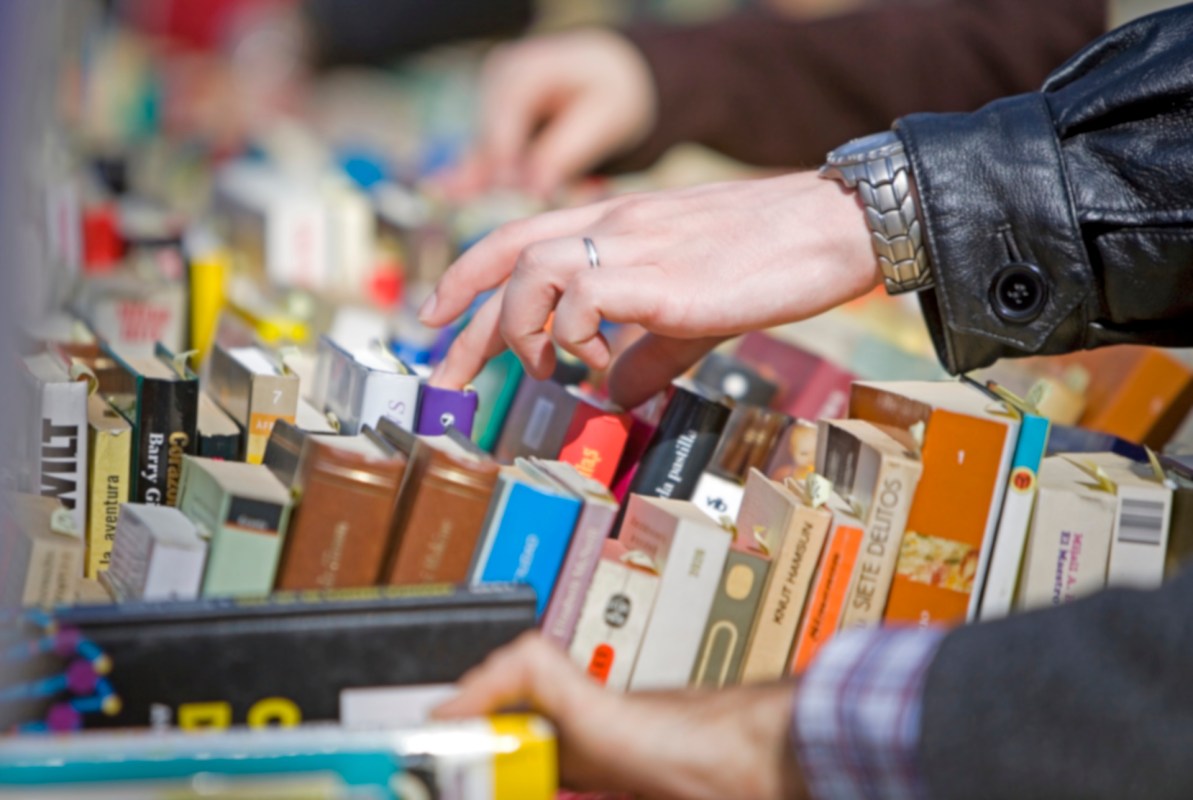
The many benefits of thrift shopping — from snagging designer couture and high-end kitchenware for a couple of bucks to reducing waste — are so well known that it can be easy to forget that secondhand stores can be uniquely magical, as Bay News 9 recently emphasized.
Currently, thrifting is a bona fide trend for an array of reasons.
Sustained inflation and an overall soft economy have measurably increased sales at secondhand stores, and after coming of age in the era of disposable fast fashion, Generation Z shoppers have cited the higher quality of vintage goods as one motivating factor.
TikTok hit it big in 2020, sparking an increase in "live shopping" across social platforms.
In addition to creators showing off and reselling their one-of-a-kind thrift scores, the ongoing popularity of secondhand marketplace apps such as Depop and Poshmark has significantly boosted foot traffic at thrift stores.
This increase in thrifting is a boon to the environment, as every item purchased secondhand diverts goods from overflowing American landfills and cuts demand for new items.
TCD Picks » Quince Spotlight
💡These best-sellers from Quince deliver affordable, sustainable luxury for all




In short, everyone is thrifting, and saving money is a small but significant part of that — as is making money through thrift excursions. Considering all of those factors, it can be hard to remember that secondhand goods often have fascinating stories to tell.
In Theresa Sutton's case, a seemingly unremarkable book in a Lakeland, Florida, thrift store didn't just tell a story; it also connected a late World War II veteran to his daughter.
Sutton, piqued by the book, paid 50 cents to purchase it. Then, she invested five years of her time to identify the soldier to whom the aviators logbook originally belonged.
Ultimately, it was the intervention of a contact at the American Legion, a veterans' advocacy and support group, that unmasked the book's first owner: Sgt. Henry Hajenian, a Marine who was "stationed in Cherry Point, North Carolina" at one point.
|
What's your primary motivation in shopping at thrift stores?
Click your choice to see results and speak your mind. |
 Cheaper clothes 🤑
 "I looked so long. Sorry," a tearful Sutton told Bay News 9. "I looked so long for the right person to hand it to. It made me feel better."
Tampa resident Katia Moore is Hajenian's daughter; her father died when she was 8 years old. Moore said she knew little about her father, describing what she had of his as "very sparse."
It was striking to hear how Sutton's five-year effort impacted Moore's life, and Bay News 9 said the book was an unexpected physical connection to her late father.
"I love it. It's amazing. It's wonderful," Moore remarked.

💰Get TCD's free newsletters for easy tips to save more, waste less, and make smarter choices — and earn up to $5,000 toward clean upgrades in TCD's exclusive Rewards Club.







