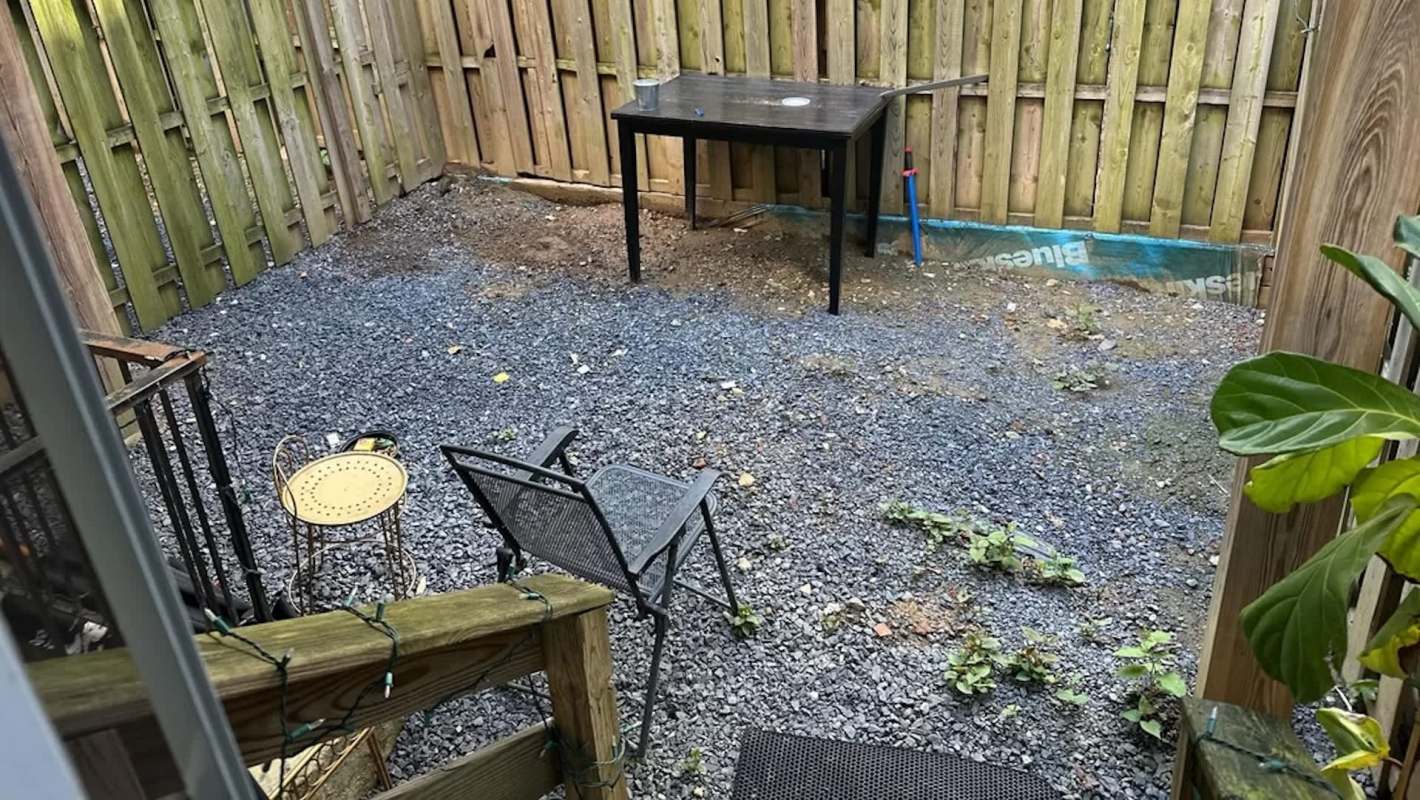
A Reddit user seeking a "lazy" way to manage his outdoor space ran a seemingly feasible idea past the knowledgeable folks on r/landscaping.
The ensuing discussion proved instructive for anyone considering using a popular but ill-advised yard product.
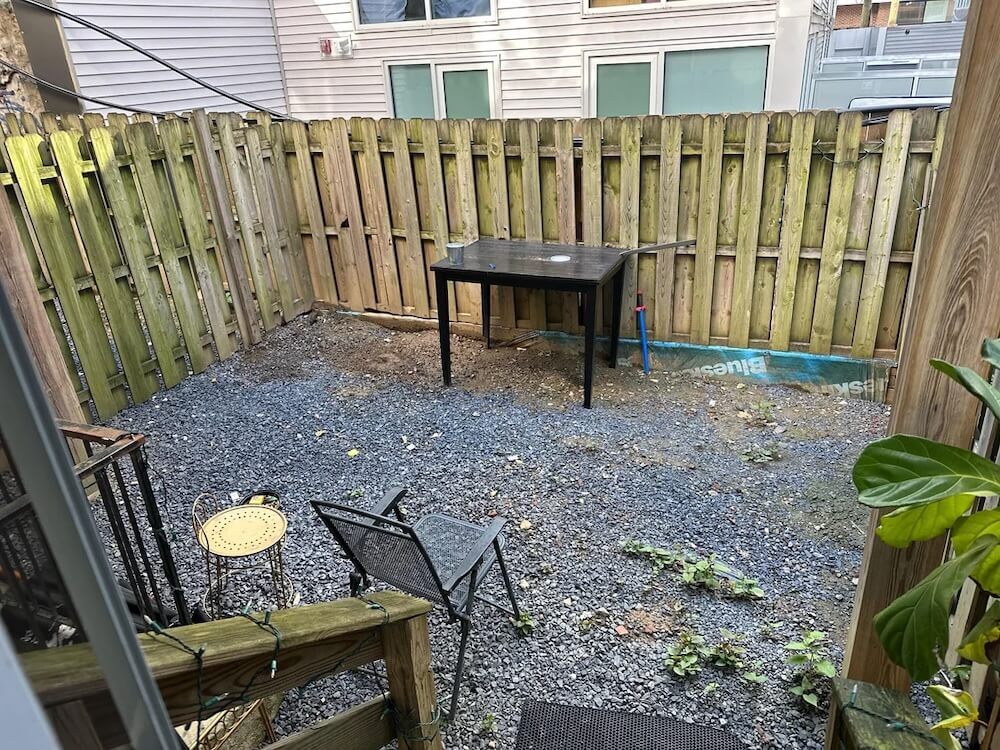
The post's title is relatable to anyone who dreads yard work: "lazy landscaping — artificial turf over rocks?"
The original poster included a photograph of their outdoor space, which is covered in gravel, and provided more information about their situation.
"Context: I am a 26-year-old dude who is renting an apartment with a few roommates. We hate our backyard, and there used to be a rat problem," they began.
"I was wondering if I could just buy artificial turf and just lay it over the rocks?" they asked. "Or can I just throw it on there and call it a day?"
TCD Picks » Good Store Spotlight
Get 10% off your next purchase with code TCD10
To be fair, their suggestion sounded logical. Living in a rental likely limited the OP's household's options. As it stood, the OP and their roommates were stuck with an outdoor space they "hate."
Artificial turf might appear ideal in this kind of scenario: it's relatively inexpensive, easy to install, and would presumably address all the OP's problems in one fell swoop. But much like how synthetic grass creates the illusion of a lush lawn, turf is only attractive on the surface.
As disgruntled homeowners will attest, it also doesn't stay that way for long.
Artificial turf creates more problems than it solves. For one thing, it gets hot enough to injure people and pets in warm weather — and that heat contributes to turf breaking down.
|
What's the hardest thing about taking care of your yard? Click your choice to see results and speak your mind. |
 Mowing the lawn 🏡
 Like landscape fabric, turf is made of plastic, which leaches into the soil over time. This inevitably contaminates yards with microplastics, and research has shown that young athletes who play on it have higher levels of harmful PFAS on their skin.
Additionally, it's not a true lazy solution. It requires maintenance, costly repairs, and replacements — expenses that typically come as a shock to consumers.
Fortunately, safe, eco-friendly solutions happen to be low-maintenance. Rewilding your yard reduces costs and yard work. Installing a natural lawn and xeriscaping do the same, and the latter option often involves replacing vegetation with rocks and other low-water features.
Users in the thread warned the original poster to avoid turf and proposed alternatives.
"Artificial turf gets hot AF in the sun and also leaches microplastics into the earth," one replied.
"Probably just [get] some Adirondack chairs … and a couple of potted plants. Artificial turf will get dirty and hold mold and odors possibly," another suggested.
"I think a couple bags of gravel, some potted plants, and some comfy chairs would improve the aesthetics tremendously," a third agreed.

Join our free newsletter for easy tips to save more and waste less, and don't miss this cool list of easy ways to help yourself while helping the planet.