


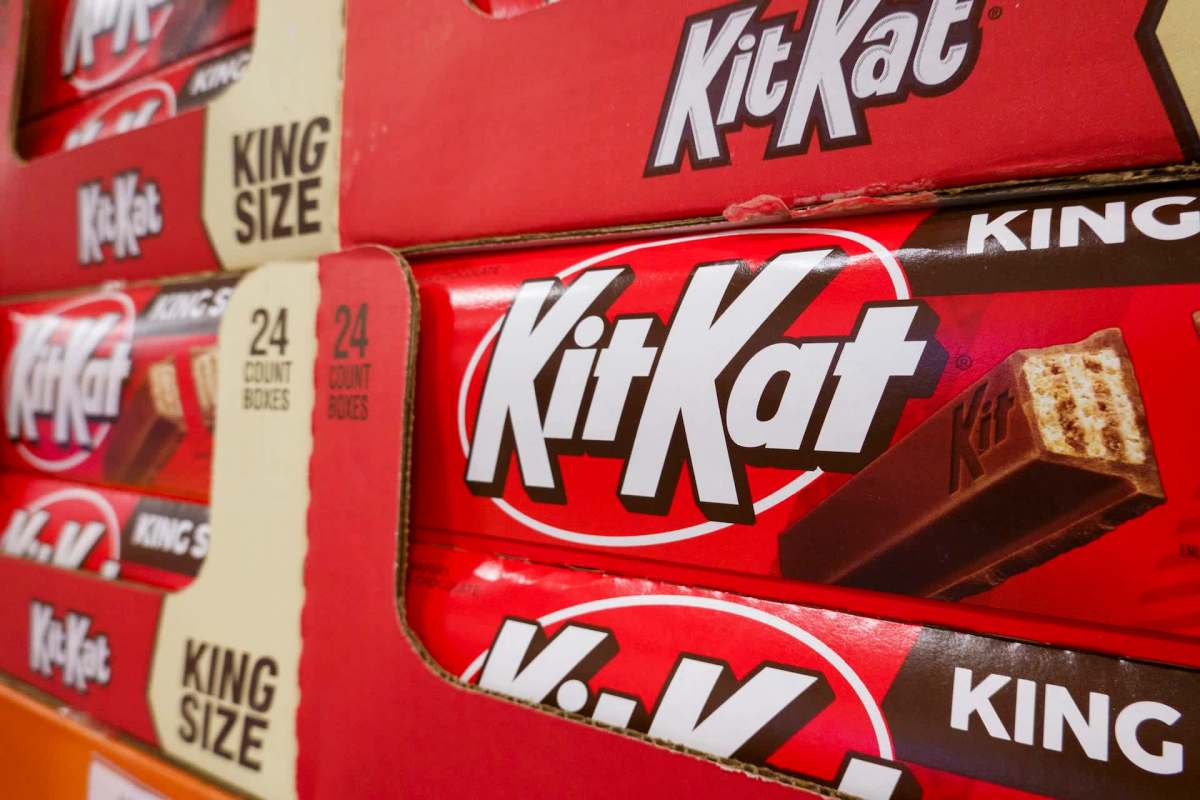
Confectionery giant Nestlé has made an update to KitKat packaging to reduce plastic waste, according to ThePackHub.
KitKat multipacks of three, six, and 10 bars in France will now have a paper outer layer while keeping plastic wrapping for the individual bars inside. Nestlé estimates the packaging change will result in 24 fewer tons of plastic waste annually, and they're aiming to roll out the change across Europe.

It's great to see more major brands ditching plastic packaging. Plastic waste ends up being a major threat to wildlife, and over time, it sheds particles. These microplastics find their way into human food streams. When ingested, microplastics can increase risks of digestive, endocrine, renal, circulatory, immune, neurological, and reproductive health problems.
If that weren't enough, producing plastic requires using dirty energy and raw materials. To that end, the oil industry is deeply entrenched in plastic production, which entails more atmospheric pollution to exacerbate destructive weather patterns. Floods, droughts, and heat waves borne by this pollution have catastrophic consequences to housing, agriculture, and ecology.
Switching to paper packaging is a great move to mitigate those consequences, but it's not without its costs either. Paper production hinges on wood, after all. Trees are vital for carbon sequestration and biodiversity support. Paper recycling infrastructure can, luckily, help curb the demand for virgin materials. Nestlé claims its paper sourcing is 93.5% free from deforestation.
Nestlé has a few marks against it when it comes to the environment. One of the company's subsidiaries had been found dumping plastic bottles, and the parent company had been investigated for deceitful marketing about bottle recyclability.
Surveys suggest Nestlé is still one of the top plastic polluters globally. That said, climate issues pose a threat to Nestlé's bottom line. Dropping cocoa crop yields have forced an increase in some of its costs.
Nestlé was keen to highlight its ongoing efforts in switching to paper packaging. Not long ago, the company had trialed paper packaging for its individual KitKat bars in Australia.
"With this initiative, we illustrate our ability to innovate responsibly," said Florence Audoyer, general manager at Nestlé France. "At the end of 2025, it will be the turn of our iconic KitKat brand, which celebrates its 90th anniversary this year, to make a major turning point in its history by removing plastic overwrap to meet consumer expectations."
|
Does seeing a product labeled with its carbon footprint make you more likely to buy it?
Click your choice to see results and speak your mind. |
 Definitely 👍
Join our free newsletter for easy tips to save more and waste less, and don't miss this cool list of easy ways to help yourself while helping the planet.
Cool Picks




