


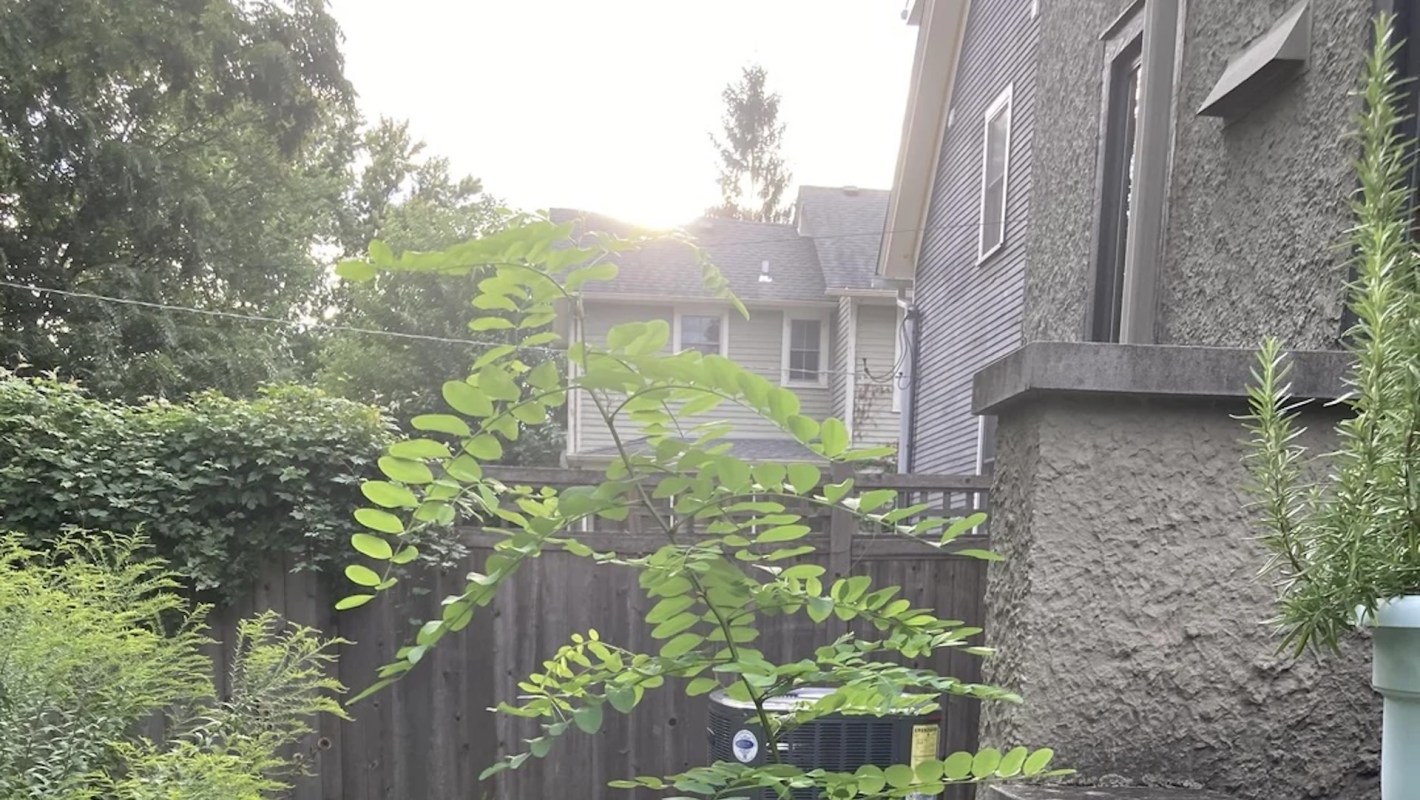
This homeowner is one of the lucky ones. They asked for advice about an invasive species before planting it in their yard, where it would wreak havoc on their landscaping designs.
On r/Arborist recently, a homeowner asked: "When should I plant this black locust?"

"Never," said the top commenter. "Black locust trees are not native to the Chicago region and are a nuisance pest."
What begins as a decorative gift can quickly transform into a costly, ongoing 'nightmare.'
"I was planning to wait to plant it in the yard in October but it's getting so top heavy growing in the pot I'm wondering if I should plant it now? I've re-potted it once already, sizing up," said the OP, explaining how it was already growing uncontrollably.
"I'd burn it with a torch and plant it in the garbage yesterday. Most invasive (tree) weed I've ever encountered," said an arborist.
"I have a zillion of these in my yard because my next-door neighbor loves any kind of greenery… I have constant yard work to keep that stuff out of my yard. Are you sure the person who gifted it to you likes you? Because it will make your life a living hell," wrote one comment.
This tree may seem like a simple way to add shade and beauty to their yard, but black locust is considered invasive in their regions, meaning it spreads aggressively and outcompetes native vegetation. It will ultimately add significantly more labor and effort to their landscaping experience as they attempt to contain it from spreading uncontrollably.
Invasive species can disrupt ecosystems by crowding out local plants, which reduces biodiversity, and creating imbalances that ripple through the food web. For example, an invasive species might replace a native plant that has a special, symbiotic relationship with a local pollinator. Which, in turn, affects the food chain. For landscapers, the choice can also turn into a major headache: invasive trees are notoriously difficult to remove, often re-sprouting from roots or spreading seeds far beyond the initial planting site.
|
Should homeowners associations be able to determine what you grow in your garden?
Click your choice to see results and speak your mind. |
 Yes 💯
Yes 💯 Homeowners have plenty of eco-friendly, low-maintenance alternatives that benefit both their yards and their local climate. Landscaping with native plants is one of the easiest ways to create a beautiful, thriving outdoor space that's friendly to pollinators. Native plants are naturally well-adapted to the local climate and soil, which means they require less watering, fertilizer, and upkeep—saving homeowners time and money. They also support pollinators like bees and butterflies, which are essential for protecting our food supply and ensuring healthy, flavorful harvests.
TCD Picks » Quince Spotlight
💡These best-sellers from Quince deliver affordable, sustainable luxury for all




Natural lawns, like clover, for instance, require little mowing, stay green during droughts, and enrich soil with nitrogen. Buffalo grass offers a hardy, water-efficient turf alternative that thrives in many regions. Xeriscaping—a landscaping approach that emphasizes drought-tolerant plants, rocks, and mulch—reduces water usage dramatically and can be customized in fantastic designs.

Join our free newsletter for easy tips to save more and waste less, and don't miss this cool list of easy ways to help yourself while helping the planet.
Cool Picks




