


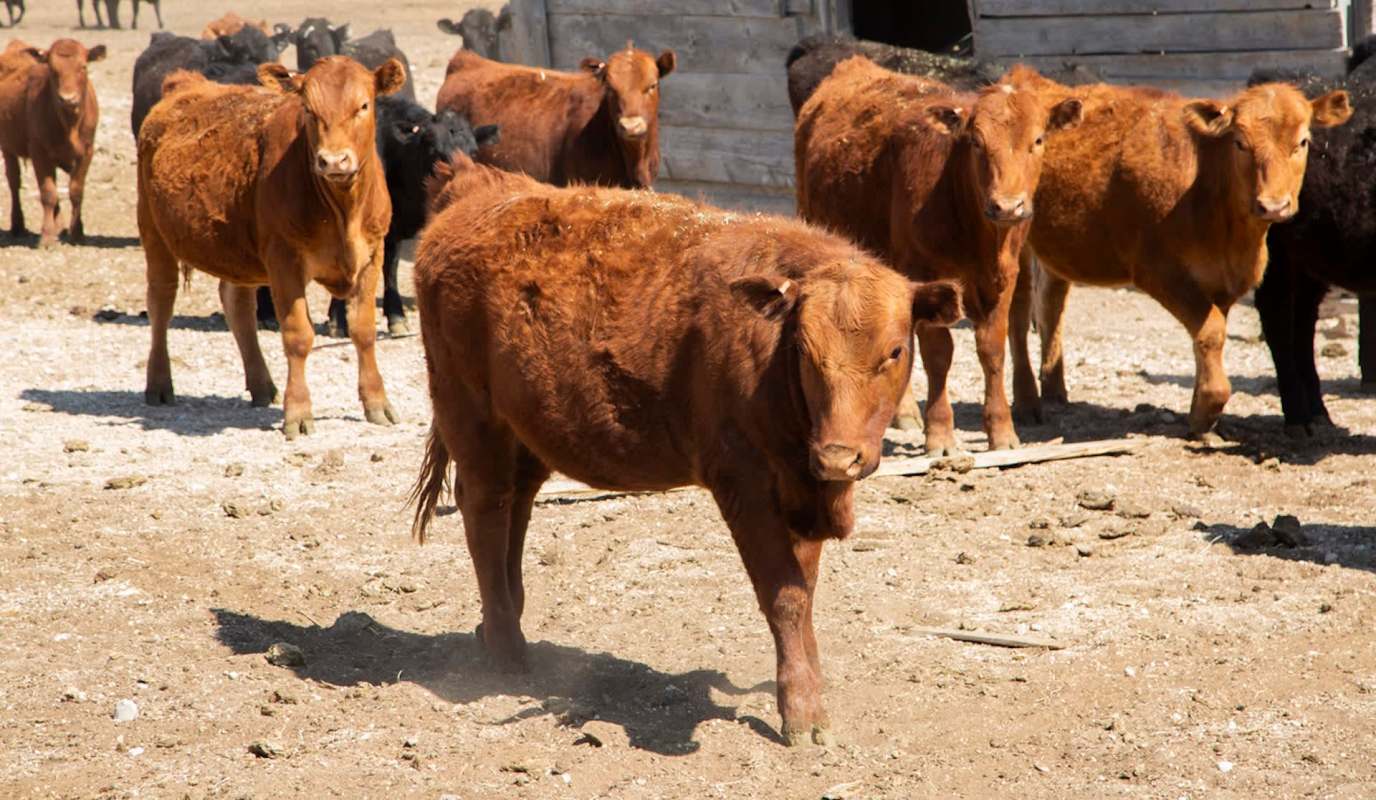
Beef is retailing at a record $9.26 per pound, and while consumers may blame inflation or labor costs, experts and ranchers say the primary culprit is severe drought.
What's happening?
According to Bruce Waugh, a longtime cattle rancher at Cannon Valley Ranch in Minnesota, the U.S. cattle supply is at its lowest point in over 70 years.
"No. 1, foremost, is supply … and that is really driven by a multiple-year drought," he told KSTP.
Years of hot, dry weather, caused largely by human activity, across major cattle-producing states have reduced available pasture, making it harder and more expensive to raise cattle. This strain has affected the entire meat supply chain, from ranchers to feedlots, packers, and your grocery cart.
With calf prices also at record highs, per KRHD, and the cost of feed and operations soaring, many ranchers are struggling to stay profitable despite elevated prices.
"We constantly worry about, 'How much is the consumer going to pay?'" Waugh said.
TCD Picks » Quince Spotlight
💡These best-sellers from Quince deliver affordable, sustainable luxury for all




Why is the beef shortage concerning?
This issue goes beyond higher grocery bills; with cattle gestation taking nine months and herd rebuilding a multiyear process, relief could still be years away. Families may continue to experience rising or persistently high prices, straining budgets.
The root cause, extended drought, is also threatening other essential food systems. Drier soils and depleted water sources are hurting crop yields, fruit orchards, and dairy farms too. This spells trouble for future food affordability and availability.
Similar drought-related issues have caused food prices to rise across the country. Fruit and orange juice prices are up as much as 80% since 2019, rice is at its highest price in Japan in over a decade, and egg prices are skyrocketing because of bird flu worsened by extreme temperatures.
What's being done about beef prices?
Scientists are working to reduce the impact of drought on cattle raising and resulting price increases as well as mitigating the environmental impact of cow emissions. New research focuses on diets mainly consisting of seaweed, using willow plants in feed to reduce ammonia and nitrous oxide emissions, and facilities designed to trap planet-heating methane pollution from cow burps.
|
How often do you eat meat in a normal week? Click your choice to see results and speak your mind. |
 Every day 🥩
 While one family can't fix a global supply chain, there are ways to reduce the impact at home. Try shopping smarter to stretch your grocery dollars, meal planning, bulk cooking, freezing food, and swapping expensive items for affordable alternatives.
You might also consider reducing your reliance on beef by incorporating plant-based meals a few times a week. These shifts can ease demand, benefit your health, lower grocery bills, and help support a food system more resilient to extreme weather.

Join our free newsletter for easy tips to save more and waste less, and don't miss this cool list of easy ways to help yourself while helping the planet.







