


Health officials in Australia have issued a recall for a popular organic beef product that may become a health hazard.
What's happening?
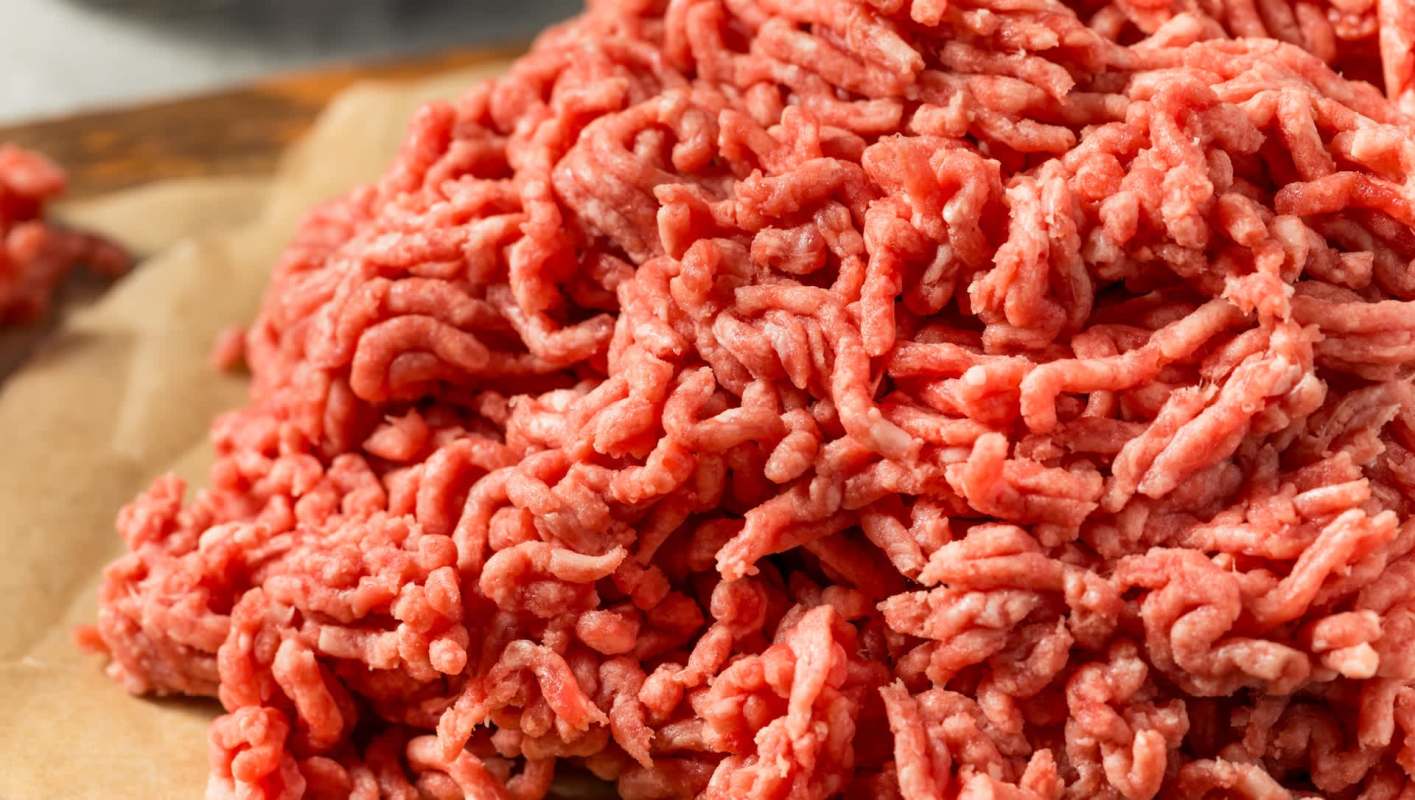
On Sept. 23, Food Standards Australia and New Zealand issued a recall for Auspork Australia organic beef mince because of the discovery of plastic pieces inside the product. The recall was restricted to 500-gram (1.1-pound) packs that were labeled with a best-by date of Sept. 28.
The organic beef mince was sold at independent food stores in several states throughout Australia and a mainland territory. This included IGA supermarkets located in New South Wales, Queensland, Victoria, Tasmania, South Australia, and the Northern Territory.
According to the agency, consuming any beef mince containing plastic pieces could cause illness or injury. "Consumers should not eat this product," reads the recall alert. "Consumers should return the product to the place of purchase for a full refund. Any consumers concerned about their health should seek medical advice."
Why is the presence of plastic in food important?
There is now a growing list of dangers associated with plastics in food production. Besides choking hazards from larger pieces of plastic, the threat of chemical ingestion from packaging, equipment, and contaminated water and soil into food is increasing. There is also an elevated risk of microplastic contamination from degraded materials.
In a recent study, a team of researchers noted that these contaminants have been linked to serious health issues such as reproductive problems, cardiovascular disease, and even certain types of cancer. High-fat foods and fast foods are particularly vulnerable to higher concentrations of microplastic contamination.
TCD Picks » Quince Spotlight
💡These best-sellers from Quince deliver affordable, sustainable luxury for all




While limited research has shown the potential for health issues, direct evidence of microplastics causing serious health problems in humans is still being investigated. Scientists are now examining the long-term effects of microplastics and the chemicals they contain more closely.
What's being done about microplastics in our food?
In an effort to reduce microplastics in food production, companies can start at the source. This means shifting away from plastic materials in agriculture by adopting biodegradable alternatives, such as bio-mulch, and improving plastic waste management on farms through proper disposal and recycling. Food production facilities can also reduce their reliance on plastics during food processing.
As countries negotiate a sweeping United Nations global plastics treaty to limit plastic use, consumers can help reduce the spread of microplastics by choosing minimally processed foods or those in sustainable packaging. They can also begin using reusable plastic-alternative containers.
|
Do you worry about having toxic forever chemicals in your home?
Click your choice to see results and speak your mind. |
 Majorly 😥
Join our free newsletter for easy tips to save more and waste less, and don't miss this cool list of easy ways to help yourself while helping the planet.







