


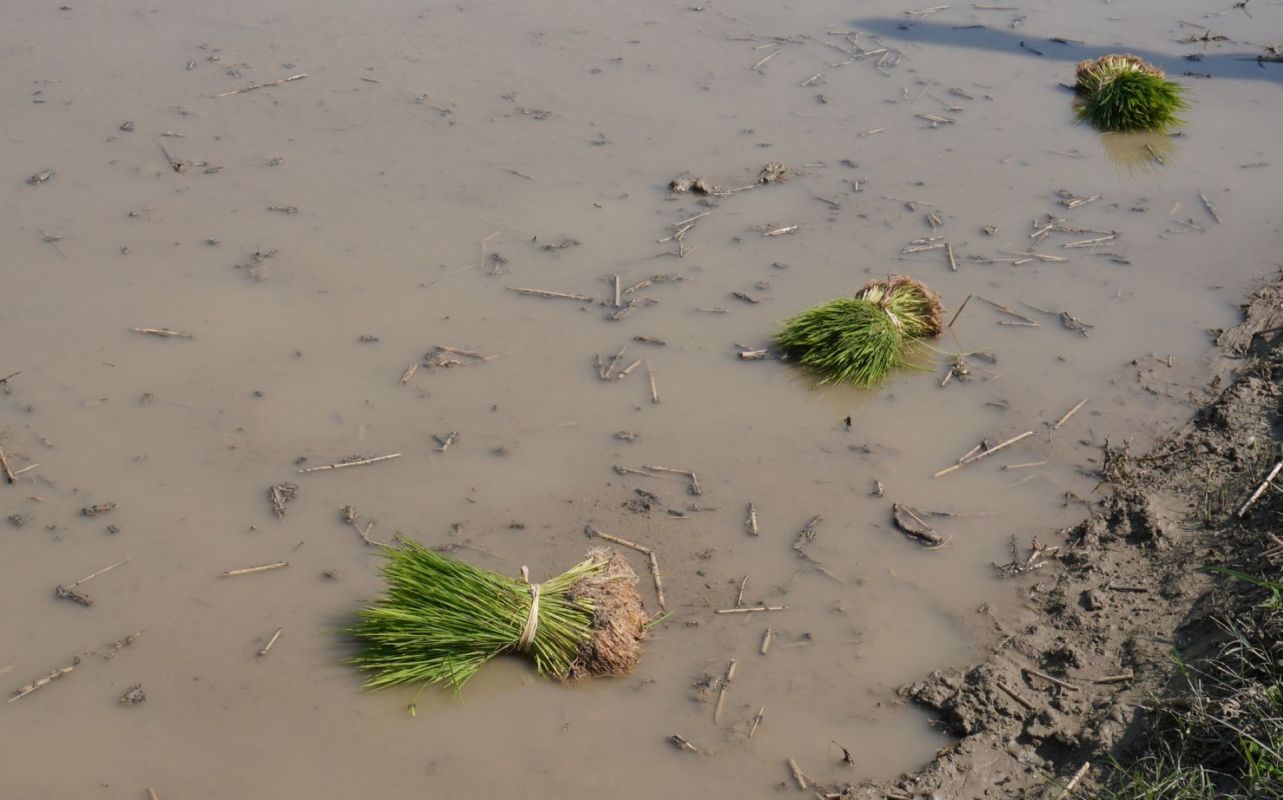
Flooding in northern India forced local farmers to adopt emergency soil remediation measures, according to The Tribune.
What's happening?
An area of Punjab recently suffered severe flooding, affecting at least 3,700 acres of land and hundreds of farmers across multiple communities.
Rice paddies were destroyed during fall flooding, but the problems didn't end there.
Lingering silt and sand prevented farmers from planting their next wheat crops in time for the season. Community members rallied to clear the silt with tractors, but progress has been slow.
Flooding in Punjab has also endangered livestock and displaced residents.
Compounding this challenge was a particularly early monsoon season in the spring, which disrupted crops throughout the summer.
Onion, tomato, lemon, orange, rice, cashew, and mango crops all suffered as a result of these erratic weather patterns.
Why is severe flooding concerning?
Ongoing atmospheric pollution has exacerbated destructive weather trends, such as the floods seen in India.
In other parts of India, these patterns manifested as droughts, damaging crops there as well.
This destruction doesn't just threaten farmers' livelihoods; it also destabilizes food security and raises grocery prices. This phenomenon is equally prevalent in America.
TCD Picks » Quince Spotlight
💡These best-sellers from Quince deliver affordable, sustainable luxury for all




|
What is the biggest reason you don't grow food at home? Click your choice to see results and speak your mind. |
 Not enough time ⏳
 In the worst case scenarios, food scarcity and the destruction of communities in natural disasters are already driving people worldwide from their homes.
What's being done about severe flooding?
Government compensation is absolutely critical after disasters such as these, but Indian farmers devastated by these floods and their aftermath have yet to receive any monetary support.
In the meantime, farmers rely on community support to make it through challenging seasons.
On an individual basis, adopting a more plant-based diet can help reduce emissions from food production, which, in turn, helps stabilize extreme weather patterns.
Incidentally, plant-heavy diets are healthier and use agricultural land far more efficiently.

Get TCD's free newsletters for easy tips to save more, waste less, and make smarter choices — and earn up to $5,000 toward clean upgrades in TCD's exclusive Rewards Club.
Cool Picks




