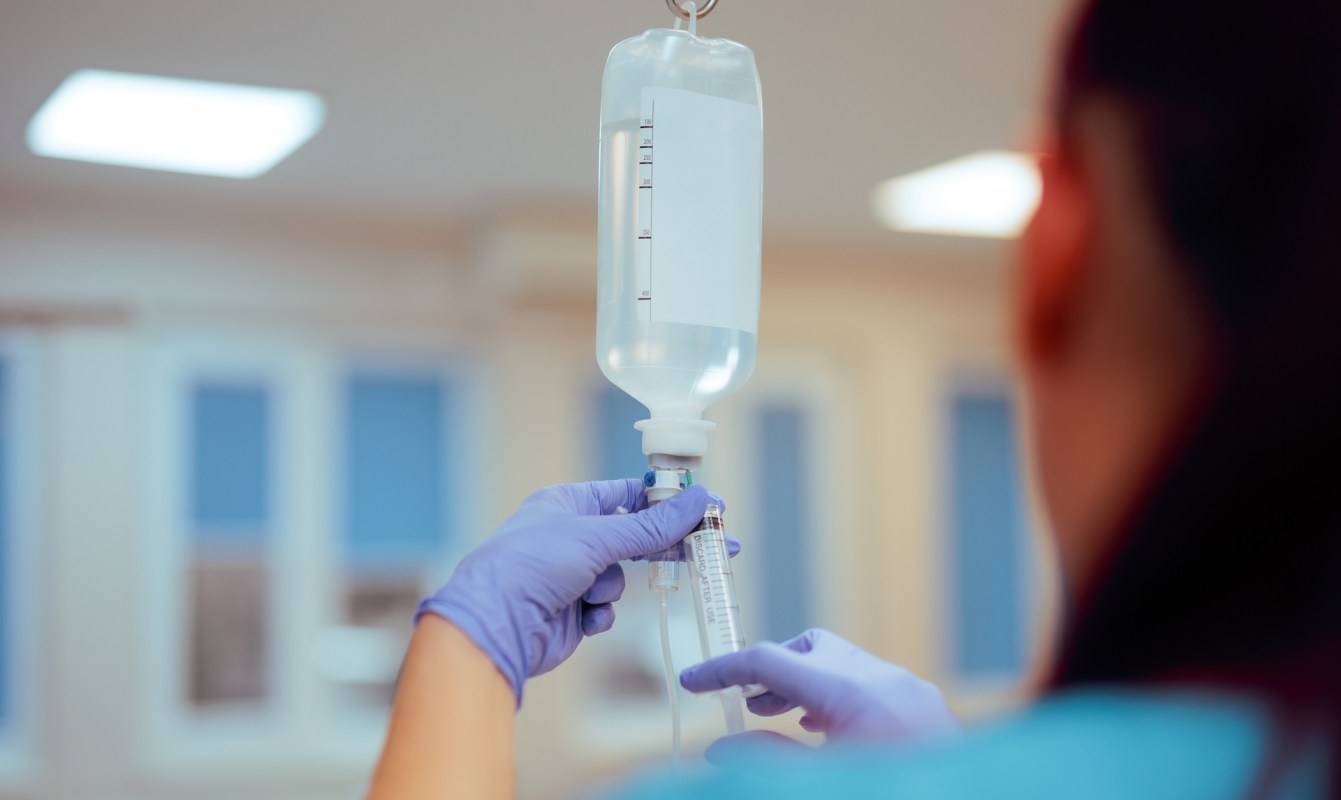
Of all the things we encounter in daily life, objects we associate with medical settings are perhaps the ones we least expect to harbor hidden risks.
However, many medical devices and supplies today — such as electrodes and syringes — are single-use and disposable, and a new article from PlasticsToday highlighted a growing body of research into risks posed by plastic medical devices in order to better educate the public.
What's happening?
Plastic became an extremely popular manufacturing material after World War II, and by the 1960s, it was used to produce disposable medical supplies, including IV tubing.
The AIDS crisis of the 1980s and 1990s ushered in a new, plastic-centric era of medicine, with disposable supplies heavily favored to prevent cross-contamination and spread of the disease.
In 2004, marine biologist Richard Thompson coined the term "microplastics" after observing an increase in plastic particulate matter levels in marine environments.
Thompson's research had a domino effect, and in the intervening two decades, research into the impact of microplastics on human health and the environment has been ongoing.
A study in the journal Environmental Research examined medical plastics, noting that "their potential ecological and health risks remain unclear" in light of current knowledge about risks associated with microplastics.
Researchers weren't looking at the direct impact of microplastic contamination in medical settings. Rather, they sought to quantify the levels and rates at which single-use plastics degrade and break down, particularly under high physical stressors in medical settings.
Unsurprisingly, they determined that polypropylene and polystyrene-based medical devices "exhibited high aging phenomena (e.g., bumps, depressions, bulges, and cracks)," adding that steam cleaning "broke their oxygen-containing functional groups and carbon chains."
They further determined that microplastics released by medical devices had adverse impacts on the digestive systems of the roundworms used in the study, resulting in a decreased lifespan.
TCD Picks » Upway Spotlight
💡Upway makes it easy to find discounts of up to 60% on premium e-bike brands





|
Do you worry about having toxic forever chemicals in your home?
Click your choice to see results and speak your mind. |
 Majorly 😥
 Why are these findings important?
As research into the effects of microplastics on human health and the environment continues, findings are rarely reassuring.
To be clear, further research is sorely needed, but what we know so far is concerning.
Microplastics exposure is linked to a diverse number of adverse outcomes, from cognitive decline to liver damage and cancer. On the environmental front, findings are similarly grim.
To date, researchers have determined that microplastics are quite literally everywhere: in the air we breathe, in the deepest ocean trenches, in the soil, and even in remote areas like Antarctica.
Then there's the environmental angle, after used plastic medical supplies have been discarded.
The "release profiles of microplastics during medical waste treatment and their potential risks to the environment and human health remain unclear," researchers observed.
What can be done about it?
As this study and the studies that antedated it emphasized, there's still a lot we don't know about microplastics, and research is ongoing.
Findings like these have prompted many people to try to reduce or eliminate plastic in their day-to-day lives.
However, even the most diligent plastic-avoiders have to go to the doctor on occasion, and plastic-free alternatives aren't exactly abundant in clinics and hospitals.
Although most patients can't avoid plastic in medical settings, using less plastic as an individual is beneficial for both people and the planet.

Join our free newsletter for weekly updates on the latest innovations improving our lives and shaping our future, and don't miss this cool list of easy ways to help yourself while helping the planet.
Cool Picks