


Massachusetts Institute of Technology senior Jacqueline Prawira has yet to graduate, but, as MIT News recently reported, her innovative work to help solve the global plastics crisis has already garnered her network television coverage.
Prawira is no stranger to laudatory press. In 2022, when she was still a high school senior, an Environmental Protection Agency press release highlighted her focus on plastic pollution.
At the time, the EPA noted that Prawira had already been investigating the issue for years "after learning about plastic pollution at a local fishing reservoir."
As the International Fund for Animal Welfare explained, plastic is a massive threat to marine wildlife. It's also catastrophic for nature in general, and that's not even accounting for the gargantuan problem of microplastics.
Plastic is problematic in part because it doesn't break down — and in part because it does, which Prawira explained deftly.
"We basically made plastics to be too good at their job. That also means the environment doesn't know what to do with this, because they simply won't degrade," she told the CBS show "The Visioneers with Zay Harding." "And now we're literally drowning in plastic. By 2050, plastics are expected to outweigh fish in the ocean."
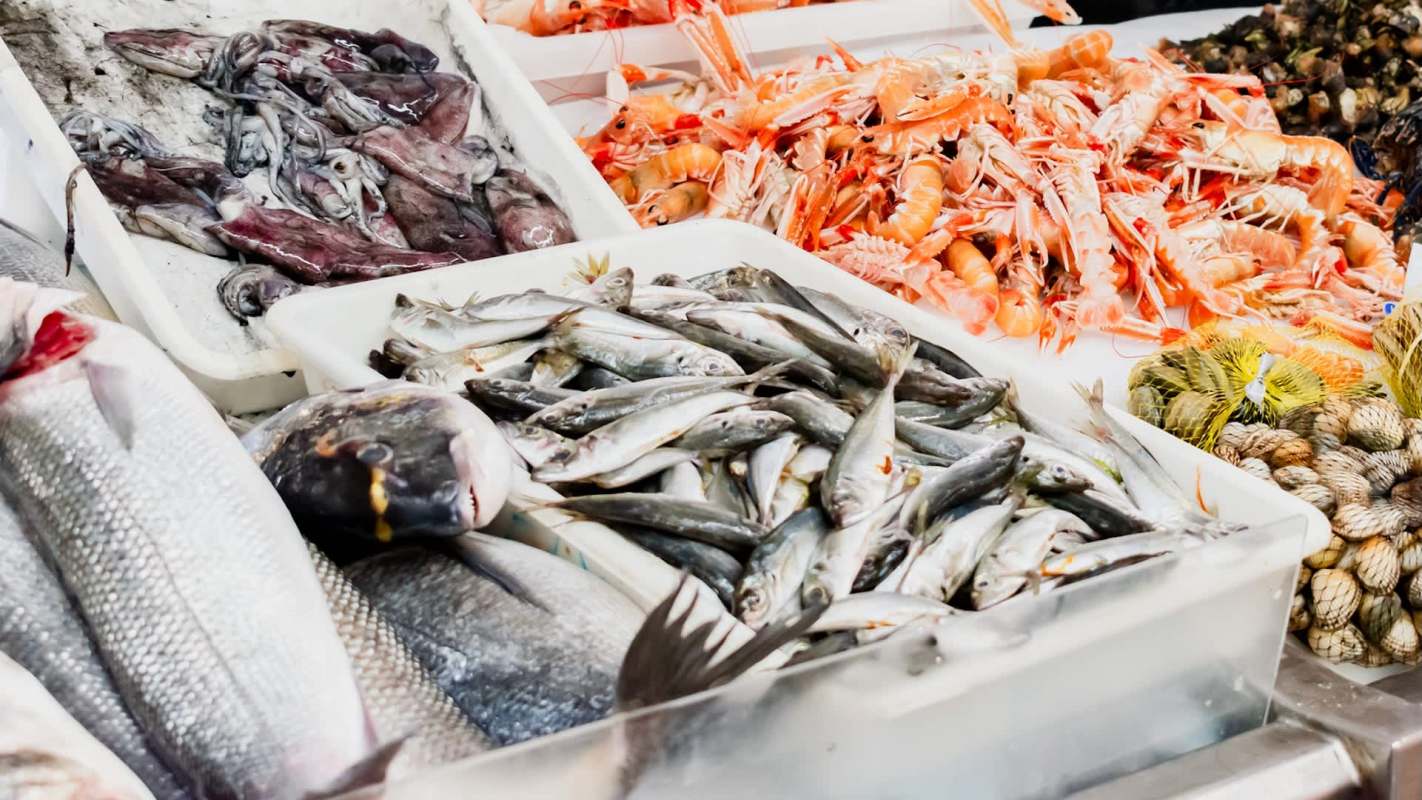
Prawira's family shops at an Asian fish market, and it was there that an omnipresent by-product of seafood processing caught her eye: fish scales, which are typically discarded.
It was a light bulb moment.
"I also started noticing they're actually fairly strong," Prawira said of fish scales. "They're thin, somewhat flexible, and pretty lightweight, too. … And that got me thinking: Well, what other material has these properties? Plastics."
After that, she worked on developing a biodegradable plastic alternative made from fish scales in offal, devising a thin film that shared many of plastic's qualities, with one major advantage. Both the scale-based material and a composite she created degrade when composted.
TCD Picks » Quince Spotlight
💡These best-sellers from Quince deliver affordable, sustainable luxury for all




|
Should taxpayers help pay to clean up the Great Pacific Garbage Patch?
Click your choice to see results and speak your mind. |
 We should pay for all of it 👍
 MIT News reported that Prawira's novel biodegradable materials could replace single-use plastic items, such as food-sealing films, disposable utensils, and plastic bags. The outlet added that her efforts earned her a Barry Goldwater Scholarship.
Ultimately, she envisions easy-to-adopt solutions to use less plastic and take other eco-friendly actions as keys to a cleaner future.
Prawira posited in her CBS interview that seamless, accessible changes to our daily lives were the way forward, so people "don't always have to choose between the convenience of daily life and having to help protect the environment."

Join our free newsletter for weekly updates on the latest innovations improving our lives and shaping our future, and don't miss this cool list of easy ways to help yourself while helping the planet.
Cool Picks





