As the dangers of microplastics become increasingly evident, consumers have adapted — perhaps, for instance, by using a reusable stainless steel coffee tumbler instead of a plastic one.
Unfortunately, plastic remains omnipresent, and, as TIME recently reported, well-meaning swaps like that could overlook a big part of the problem.
What's happening?
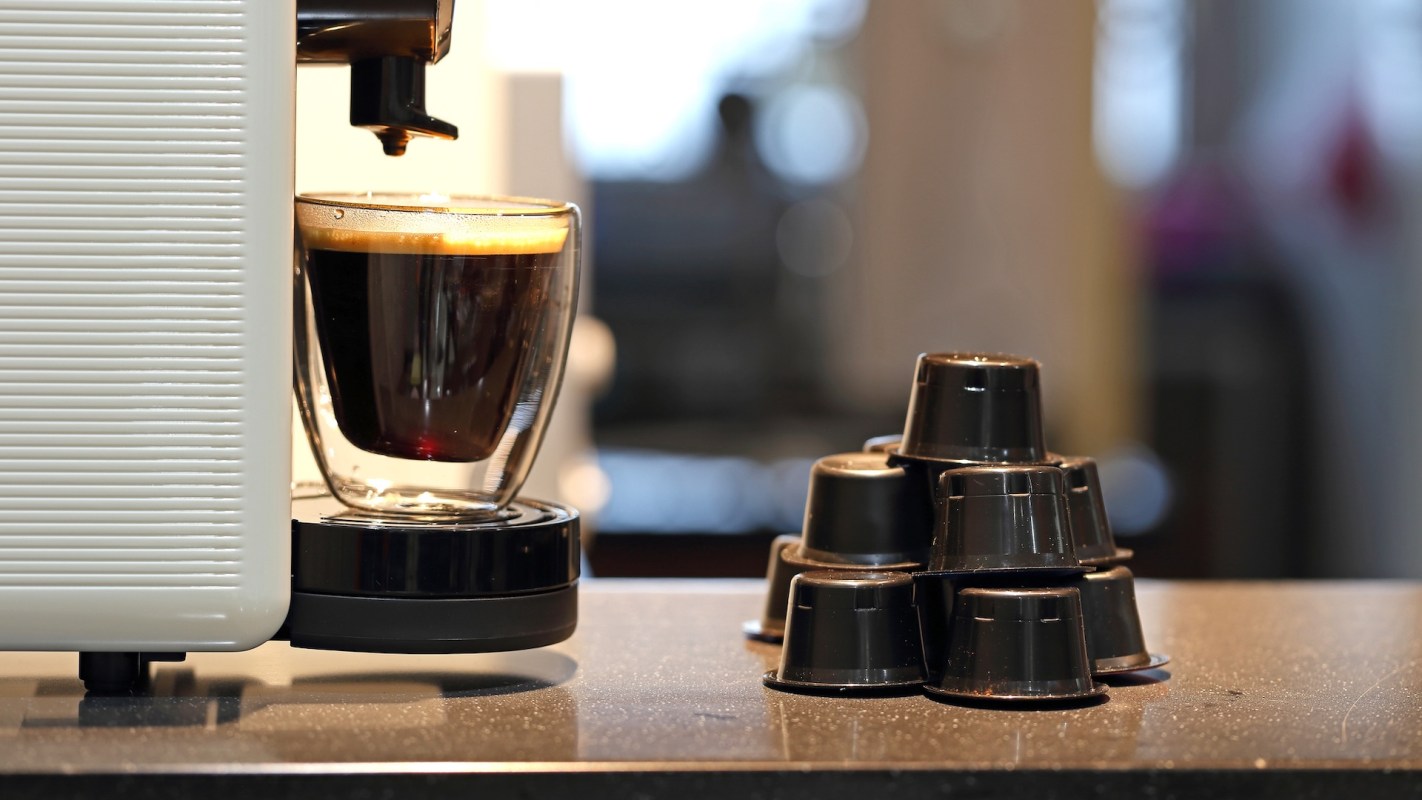
If you're an American coffee drinker, there's a decent chance you use coffee pods — a 30% chance, to be exact.
According to Tasting Table, roughly one-third of Americans who consume coffee prefer coffee pods to other brewing methods.
Coffee pod machines (or capsule pod machines) are objectively convenient, enabling users to select a pod, press a button, and go about their day. But the cost of convenience isn't limited to potentially pricey refills.
A new TIME Magazine report posed a titular question, and an ominous one for those acquainted with microplastics: "What Happens to the Plastic in Single-Serve Coffee Pods?"
Microplastics are defined as plastic waste particles measuring five millimeters or less. Plastic sheds these particles as it breaks down — or when it's exposed to extreme temperatures, like rapidly heating water.
In September, British environmental chemistry professor Mohamed Abdallah co-authored a study in the peer-reviewed journal Science of the Total Environment that examined levels of microplastics in hot beverages.
Although the study didn't specifically examine coffee pods, it found that hot beverages have higher average concentrations of microplastics than cold drinks — yet all 155 samples contained some microplastics.
Why is this important?
"Our understanding of the toxicity of microplastics remains in its infancy," Abdallah said, alluding to the fact that microplastics, which are notoriously sneaky, weren't identified until 2004.
TCD Picks » Upway Spotlight
💡Upway makes it easy to find discounts of up to 60% on premium e-bike brands




|
What do you usually do with your coffee grounds? Click your choice to see results and speak your mind. |
 Throw them in the trash 🗑️
 In just over 20 years, research has established that microplastics are extremely pervasive in the environment, wildlife, and the human body.
They've been located in the most remote corners of the planet — and in human brains, blood vessels, hearts, and reproductive organs.
Justin Boucher is an environmental engineer, and with the Food Packaging Forum, he monitors findings on how substances like plastic "affect food."
"We already have evidence that many plastics and related microplastics contain hazardous chemicals that can cause harm," Boucher remarked.
Coffee pod machines are often made of plastic, as are their water reservoirs. TIME noted that drinking water is often contaminated with microplastics.
However, the "coffee coming out the other end has almost two-thirds more of these contaminants," the outlet added, citing Abdallah's findings.
What's being done about it?
University of California researcher Tracey Woodruff told TIME that the government "hasn't done anything specifically related to microplastics."
Although lawmakers could enact policies on plastic, individual action is currently the best way to limit direct exposure. Using less plastic and swapping your most-used items for plastic-free alternatives helps, and as Woodruff emphasized, aim for progress over perfection.
"I didn't switch out all of this stuff overnight. People should just remember not to blame themselves — and broader change depends on government and industry action. Do what you can do," she said.

Join our free newsletter for weekly updates on the latest innovations improving our lives and shaping our future, and don't miss this cool list of easy ways to help yourself while helping the planet.
Cool Picks