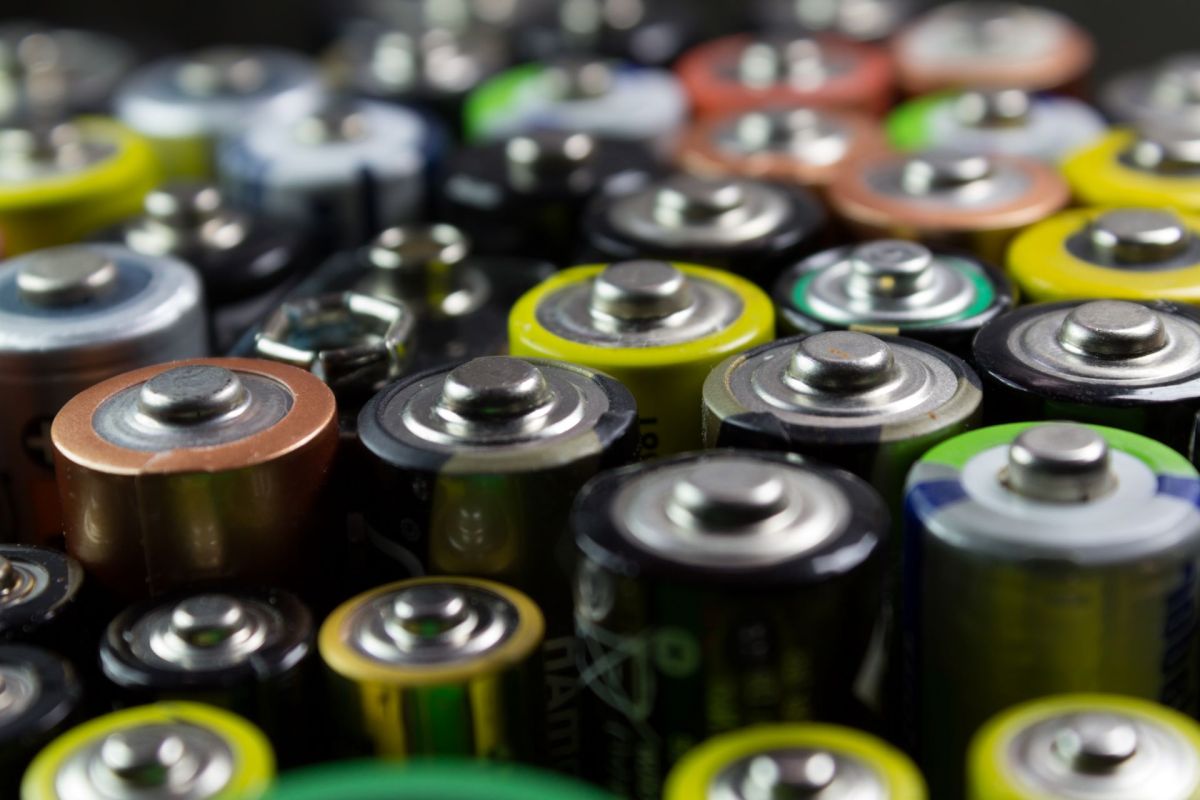
A team of Chinese researchers has developed a new dual-shell coating for lithium-ion battery cathodes, which could increase battery lifespans, resilience, and allow for the use of higher voltages, according to a report from Interesting Engineering.
Lithium-ion batteries are a crucial component in today's clean-energy transition, helping to power EVs and provide energy storage for sustainable, but intermittent, resources like solar and wind power.
They're lightweight, have a high energy density, and a relatively long lifespan, but the lithium-rich layered oxides used in a battery's cathode are susceptible to oxygen release at high voltages and corrosion triggered by electrolyte composition, a report by Interesting Engineering shared.
Researchers from Hebei University and Longyan University have found a solution by creating a LiF@spinel dual-shell coating for these lithium-rich cathodes. The lithium fluoride layer (LiF) provides chemical stability and protection from corrosive attack, while a spinel buffer layer enables fast lithium-ion diffusion, a press release explained.
The result is a more stable and durable electrode that can handle higher voltages and resist degradation after extended charging cycles.
"The dual-shell LiF@spinel architecture provides a new paradigm for stabilizing lithium-rich cathodes," said Chaochao Fu, corresponding author of the study, per the statement.
Perk up the winter blues with natural, hemp-derived gummies Camino's hemp-derived gummies naturally support balance and recovery without disrupting your routine, so you can enjoy reliable, consistent dosing without guesswork or habit-forming ingredients. Flavors like sparkling pear for social events and tropical-burst for recovery deliver a sophisticated, elevated taste experience — and orchard peach for balance offers everyday support for managing stress while staying clear-headed and elevated.
Learn more → |

"By coupling the rapid ion transport of spinel with the protective barrier of LiF, we've created a synergistic defense that prevents surface collapse and extends cycle life. This innovation not only boosts the practical performance of lithium-rich materials but also offers valuable design insights for engineering other next-generation electrode systems. It is an encouraging step toward making high-capacity batteries truly viable for widespread use."
The LiF@spinel design was tested at a current of 2C (30-minute charge/discharge rate) and retained 81.5% of its capacity after 150 cycles, compared to just 63.2% for unmodified lithium-ion electrodes. Even with ultrafast cycling of 5C (12 minutes), it maintained over 80% capacity, the researchers shared.
This design breakthrough could help manufacturers release electric vehicles with longer ranges, something that could help spur adoption for potential consumers still clinging to their gas-powered vehicles that pollute the environment and are far less efficient than EVs.
It could also lead to longer-lasting portable electronics, which would reduce the need for mining more raw materials and provide time for more battery recycling operations to become operational.
TCD Picks » Upway Spotlight
💡Upway makes it easy to find discounts of up to 60% on premium e-bike brands





Even renewable energy storage systems could see a boost in efficiency from this new design. By bolstering their effectiveness, it would further support the use of solar and wind as an alternative to dirty fuels and get us closer to our clean energy goals.
|
Do you think the government should ban gas-powered lawn tools? Click your choice to see results and speak your mind. |
 No way 🙅
Join our free newsletter for weekly updates on the latest innovations improving our lives and shaping our future, and don't miss this cool list of easy ways to help yourself while helping the planet.
Cool Picks