


Home may be where the heart is, but beyond that, homeowners associations notoriously have a lot to say about what may and may not be part of your home.
This has been proved repeatedly by HOAs denying the installation of money-saving solar panels, forbidding pollinator-friendly native gardens, and even charging ludicrous fees for what they consider not following landscaping guidelines.
One homeowner recently took to the r/gardening subreddit for advice in hopes of finding a way to work with their HOA to get approval for a restricted practice.
"I live in a townhome community with an HOA," they wrote in the post. "They're usually very relaxed and don't hassle anyone, so I'm hoping that with some help, I might be able to successfully advocate for a change in the rules they've set on gardening."
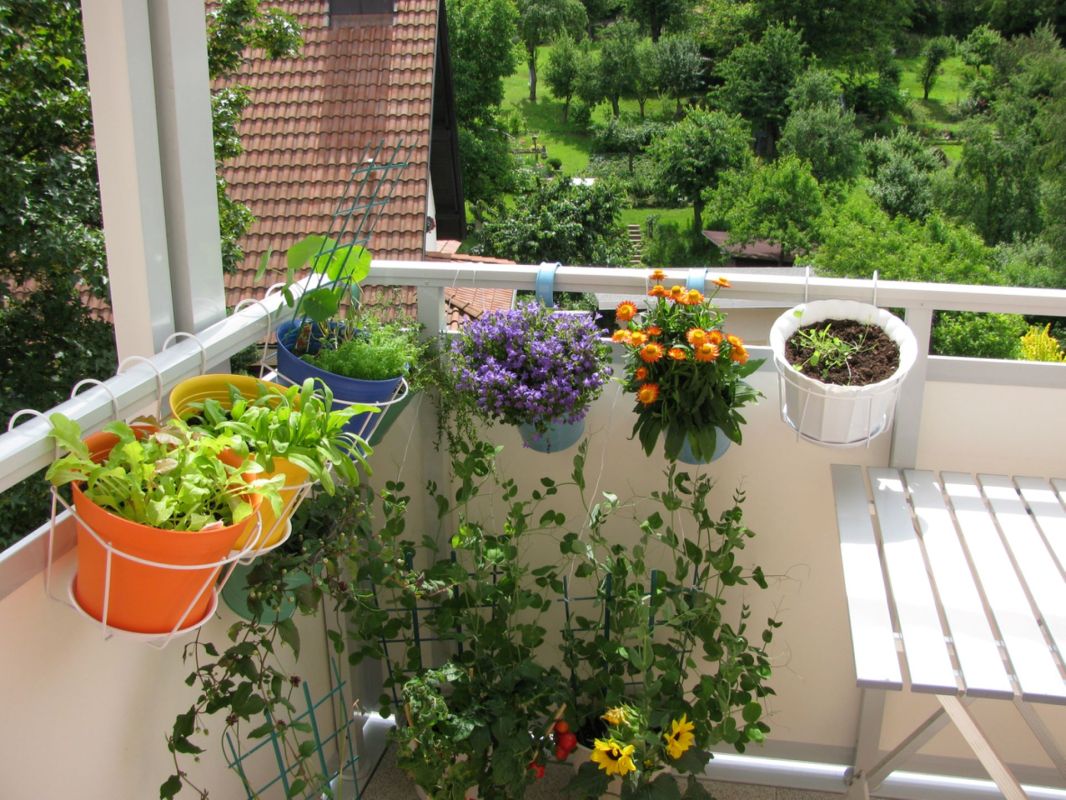
The rules in question, the OP explains, are that the HOA forbids vegetable gardens or growing more than three pots of vegetables. "It strikes me as quite unreasonable," they added.
"I'm wondering if anyone has language that I could suggest to them to update their policies or arguments about the benefits of vegetable gardening that I could use to change their minds," they furthered. "I was thinking to suggest something like saying vegetables can only be for personal use or donation and no vining or invasive plants. What are the benefits of vegetable gardens that I can tout, and what fears might they have which I would need to allay?"
TCD Picks » Quince Spotlight
💡These best-sellers from Quince deliver affordable, sustainable luxury for all




The OP may not have the language, but they have all the right intentions, including specifying no invasive or vining plants — as those like kudzu, ivy, and bamboo can take over a garden and neighboring yards fast and are nearly impossible to remove.
They also hit on the benefits of gardening, which are significant for both the gardener and the environment. Globally, about one-third of the food produced is wasted. Growing your own reduces the amount of food sent to landfills, where it pumps out planet-warming methane pollution as it decomposes. It also limits the pollution from transporting and packaging food bought in the store. The OP also suggests that it could be used for donation, an important point considering over 2 billion people struggle to put food on the table.
Considering the record many HOAs have, commenters on the post had a lot to say.
"Good luck," warned one. "Generally to an HOA, growing your own food means you're poor, and if there's one thing an HOA hates, it's poor people."
"Get as many allies as possible. Recruit your neighbors," suggested another.
"You should join the HOA that way you have the most say," recommended one more.
For anyone looking to make a change within an HOA as this commenter suggested, there are many ways to do it if you know where to start.

Join our free newsletter for easy tips to save more, waste less, and help yourself while helping the planet.






