


South Africa is enacting new rules against microplastic pollution, according to Smile.
The Department of Forestry, Fisheries and the Environment has published a draft regulation that would prohibit the production, distribution, sale, import, and export of plastic microbeads. Penalties for failing to comply with this blanket ban would include fines of up to 10 million rand ($566,475) or imprisonment for up to 20 years for repeated offenses.
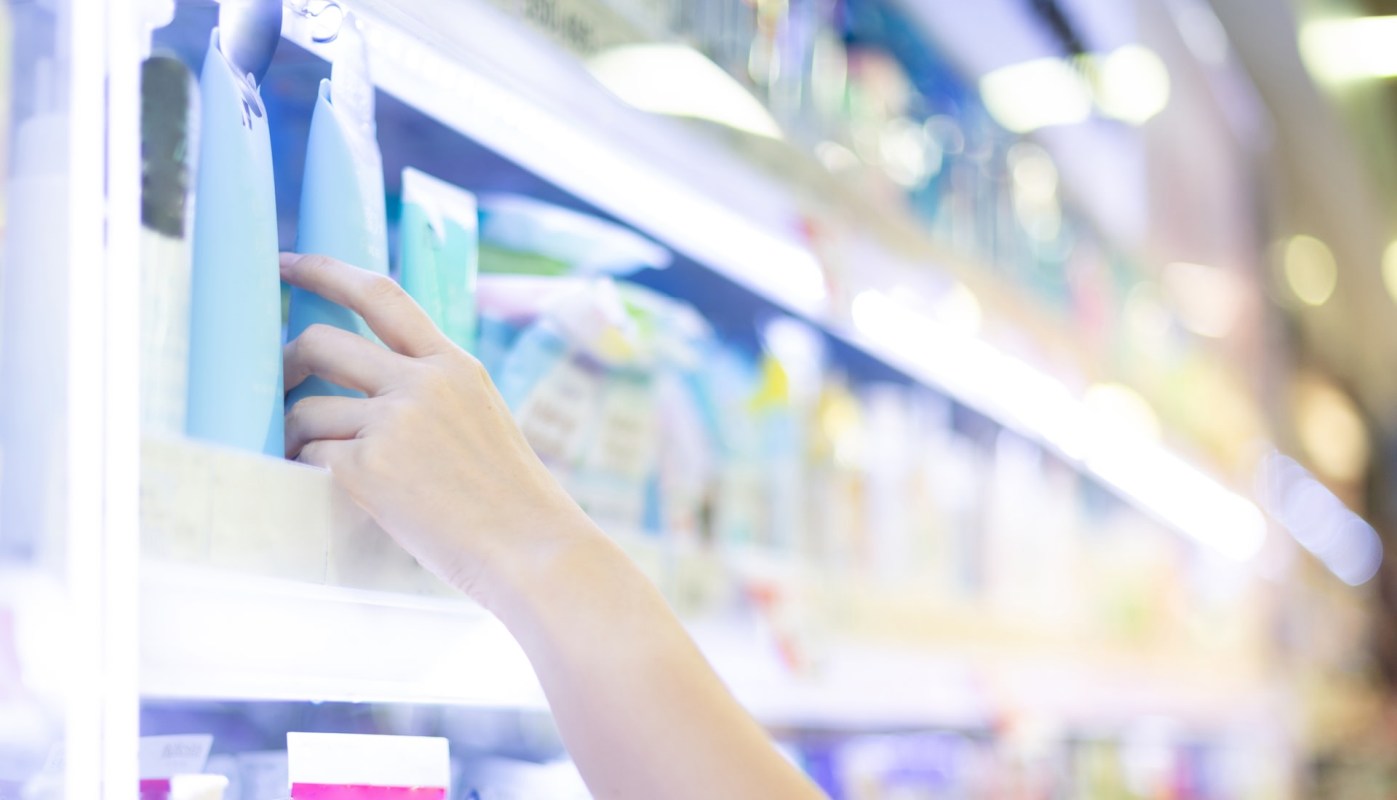
Microbeads are a popular form of microplastic generally included in cosmetic products as an exfoliant. When microplastics end up in waterways, they bioaccumulate in wildlife, including the fish we catch. Once ingested, microplastics can pose risks to endocrine, immune, circulatory, digestive, renal, and reproductive health. Microbeads, in particular, can also pose health risks to those who apply them to their skin, according to one study. Another study suggested that microplastics are the cause of $250 billion annually in medical expenses in the U.S.
South Africa joins other jurisdictions with their own microbead bans. These include California, Illinois, and the United Kingdom. U.S. federal legislation on these products is also in place, but only applies to rinse-off microbeads.
The South African public has until Saturday to submit feedback on the draft regulations, and a two-year grace period will be available for businesses to phase out their stock. Parties that need to do so will also have to submit their phase-out plans to the government.
"This is a pivotal moment in our ongoing efforts to protect South Africa's precious natural heritage from the scourge of plastic pollution," said Dion George, Minister of Forestry, Fisheries and the Environment.
"Plastic microbeads may be small, but their impact on our oceans and wildlife is immense. By banning them, we are not only preserving biodiversity but also ensuring a healthier future for generations to come. I urge all stakeholders to engage with this process and help shape regulations that truly make a difference."
|
Do you think Americans use too much plastic? Click your choice to see results and speak your mind. |
 Absolutely 🗑️
Join our free newsletter for good news and useful tips, and don't miss this cool list of easy ways to help yourself while helping the planet.
Cool Picks





