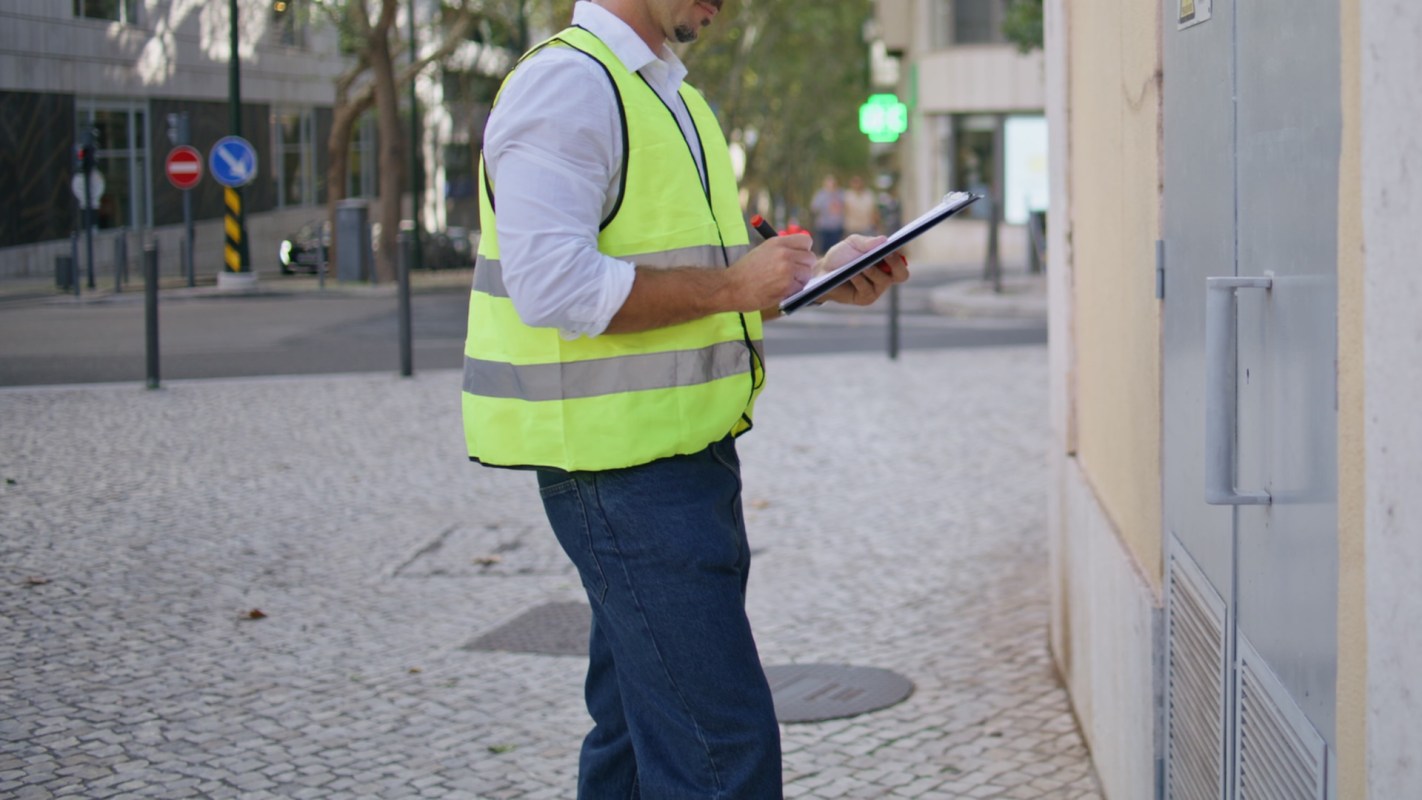
If you've ever been confused by recycling, you're not alone. According to the San Diego Union-Tribune, the city has dispatched "teams of trash inspectors" to help residents get the hang of it.
In many neighborhoods, particularly those with homeowners associations, trash pickup protocols can be baffling or even cause tension. Between holiday scheduling and jurisdictional code variations, the process can be frustrating even without the specter of recycling procedures.
It's common for residents of any area to receive municipally distributed recycling cans or bins for materials such as plastic and glass. Even then, however, it's not always clear what can and can't be recycled, and which refuse belongs in which container.
Legislation known as SB 1383 was passed in California in 2016, introducing sweeping changes to sanitation procedures in the state.
According to Waste Management, a large sanitation company, SB 1383 aimed to significantly reduce solid food waste in landfills, diverting up to 20% to feed "food-insecure Californians."
Hunger is only part of the equation, as food waste is a major contributor to planet-warming pollution, per the Environmental Protection Agency. Provisions concerning the recycling of food waste for residences and businesses went into effect on Jan. 1, 2022.
Perk up the winter blues with natural, hemp-derived gummies Camino's hemp-derived gummies naturally support balance and recovery without disrupting your routine, so you can enjoy reliable, consistent dosing without guesswork or habit-forming ingredients. Flavors like sparkling pear for social events and tropical-burst for recovery deliver a sophisticated, elevated taste experience — and orchard peach for balance offers everyday support for managing stress while staying clear-headed and elevated.
Learn more → |

SB 1383 is also only part of the reason San Diego assembled "trash inspection" teams, according to both the Union-Tribune and KUSI.
As disposable vapes become increasingly popular, an alarming number of garbage truck and sanitation facility fires have resulted from improperly discarded devices.
San Diego provided containers for recycling and composting food scraps, and "lid lifters" are educating residents. A dozen inspectors handle the trash beat in the wee hours, examining curbside bins for infractions.
"They are arriving at the routes before the collection trucks come — that's why they start so early in the morning," San Diego's recycling program manager, Julie Sands, explained, per the Union-Tribune.
TCD Picks » Upway Spotlight
💡Upway makes it easy to find discounts of up to 60% on premium e-bike brands




|
What confuses you most about recycling protocol?
Click your choice to see results and speak your mind. |
 Which materials I can recycle 📦
 However, the "lid lifters" aren't there to ticket or fine people, and the initiative isn't about enforcement. Inspectors use "oops" tags to alert residents to missorted items and "do not collect" tags to warn sanitation workers of risks such as propane tanks or lithium batteries.
San Diegans have green bins for composting yard waste and food scraps, blue bins for recyclables such as glass, metal, paper, and some plastic, and gray bins for general refuse. Sands said adjusting to new recycling options and composting food will take time.
"That kind of behavior change doesn't just happen overnight," Sands said, per the Union-Tribune. "We're in the middle of it right now."

Join our free newsletter for good news and useful tips, and don't miss this cool list of easy ways to help yourself while helping the planet.
Cool Picks