


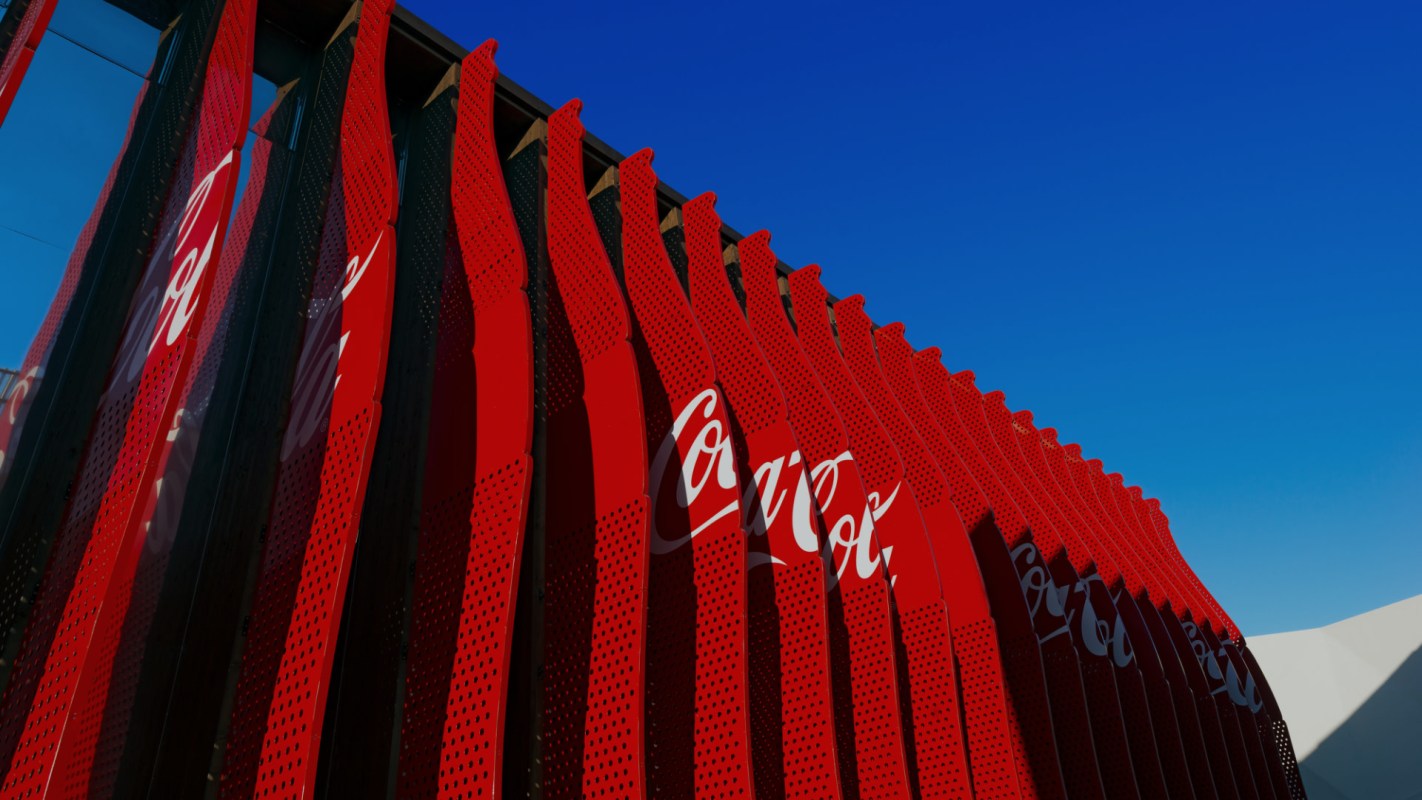
Coca-Cola, one of the largest plastic-polluting companies, recently backed out of building a new bottling facility near Denver International Airport.
What happened?
Coca-Cola has canceled the development of its planned $500 million bottling facility that was expected to be a "major hub for plastic and aluminum bottle production," 9News reported in mid-July.
The company cited project delays and timeline uncertainties and noted that it was still exploring building the facility at a different location in the region, according to the Denver Post.
The Coca-Cola system has over 200 bottling partners with 950 facilities globally, according to the company's website.
The Coca-Cola Company has repeatedly been one of the top producers of plastic pollution, alongside Nestle, PepsiCo, and others.
Some facilities have been found to improperly manage water, drying up rivers or polluting them with waste.
Why is plastic pollution concerning?
Plastic pollution is a rapidly growing problem. Our planet's plastic production has skyrocketed to almost 500 million tons — in 2019, it was 230 times what we were producing in 1950, per Our World in Data.
Some types of plastic can be recycled, but unlike glass and aluminum, which can be repeatedly recycled without losing quality, recyclable plastic can only be recycled a few times before the quality degrades.
Much of the plastic produced ends up in landfills, where it will break down over hundreds or thousands of years. Even then, plastic will never completely degrade, but instead sheds microplastics. Microplastics can easily contaminate soil, pollute waterways, and even cross your blood-brain barrier, according to studies.
What's Coca-Cola doing to address pollution?
Coca-Cola has been taking action to address the amount of waste it produces, such as using some recycled plastic and glass for some soda bottles and opening waterway waste-sorting facilities to clean polluted rivers in Malaysia.
TCD Picks » Quince Spotlight
💡These best-sellers from Quince deliver affordable, sustainable luxury for all




|
Should companies be required to help recycle their own products?
Click your choice to see results and speak your mind. |
 Definitely 👍
 Whether these actions represent genuine efforts to improve significantly or acts of greenwashing is up for debate, but a history that includes undelivered promises and alleged deceit adds support for the latter.
Recent boycotts may have partly contributed to a 4% decrease in Coca-Cola's sales for the start of this year compared to the same period last time.
You too can reduce your reliance on plastic. Support brands with plastic-free packaging, and know the greenwashing red flags to look out for.

Join our free newsletter for good news and useful tips, and don't miss this cool list of easy ways to help yourself while helping the planet.
Cool Picks




