


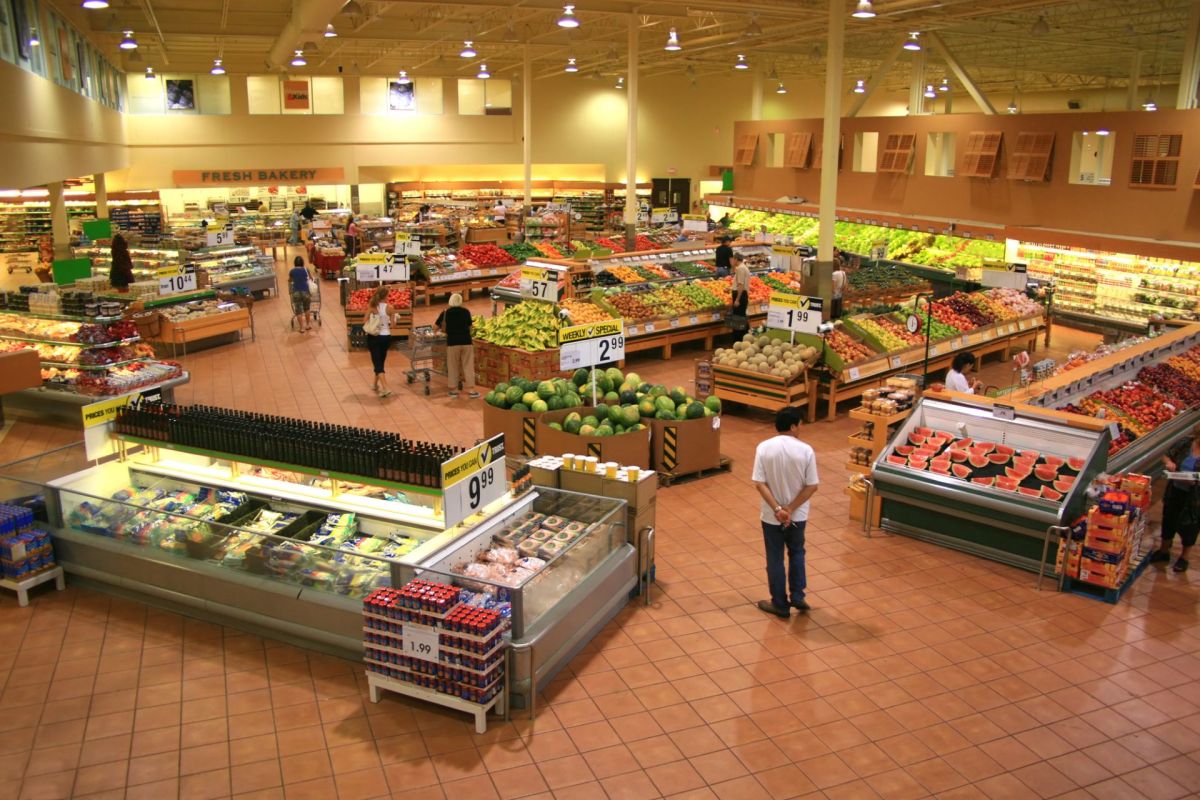
California is nearing the start date of a sweeping single-use plastics ban that aims to greatly diminish the amount of plastic pollution in the state.
Starting on Jan. 1, Senate Bill 1053 will take full effect throughout California. Passed in 2024, the bill bans most single-use plastic checkout bags at grocery stores. The law closes a loophole in previous legislation, meaning retailers will no longer be able to provide thicker, reusable plastic bags at checkout.
Instead, stores will soon only be able to offer recycled paper bags, which may cost extra or require customers to bring their own reusable bags. With costs of at least 10 cents per recycled paper bag, customers may be hit with added expenses to any already pricey trip to the grocery store.
In a press release announcing the signing of SB 1053 into law, California Sen. Catherine Blakespear explained that despite the cost increase, the measure not only addresses the growing concern about plastic waste, but it simplifies the checkout experience for shoppers as well.
"Instead of being asked, 'Do you want paper or plastic at checkout,' consumers will simply be asked if they want a paper bag if they haven't brought a reusable bag," said Blakespear, who co-authored the bill. "This straightforward approach is easy to follow and will help dramatically reduce plastic bag pollution."
According to officials, the thicker plastic bags were not being reused or recycled enough to justify their existence. In fact, many of these bags found their way into nearby landfills or littered the environment.
As noted by the Center for Biological Diversity, more than 5 trillion plastic bags are used around the globe each year. Despite the staggering number of bags, fewer than 13% are properly recycled. Since most plastic products are not biodegradable, they can persist in the environment for hundreds of years before breaking down into microplastics.
These tiny plastic fragments have become widespread in our environment, entering our soil, water, and even our food. While more research is still required to determine the full effects of microplastics, the potential risks of microplastics on human health are now a growing concern.
"We deserve a cleaner future for our communities, our children, and our Earth," said Assemblymember Rebecca Bauer-Kahan. "It's time for us to get rid of these plastic bags and continue to move forward with a more pollution-free environment."
|
Should plastic grocery bags be banned nationwide? Click your choice to see results and speak your mind. |
 Absolutely 👍
Join our free newsletter for good news and useful tips, and don't miss this cool list of easy ways to help yourself while helping the planet.
TCD Picks » Quince Spotlight
💡These best-sellers from Quince deliver affordable, sustainable luxury for all




Cool Picks




