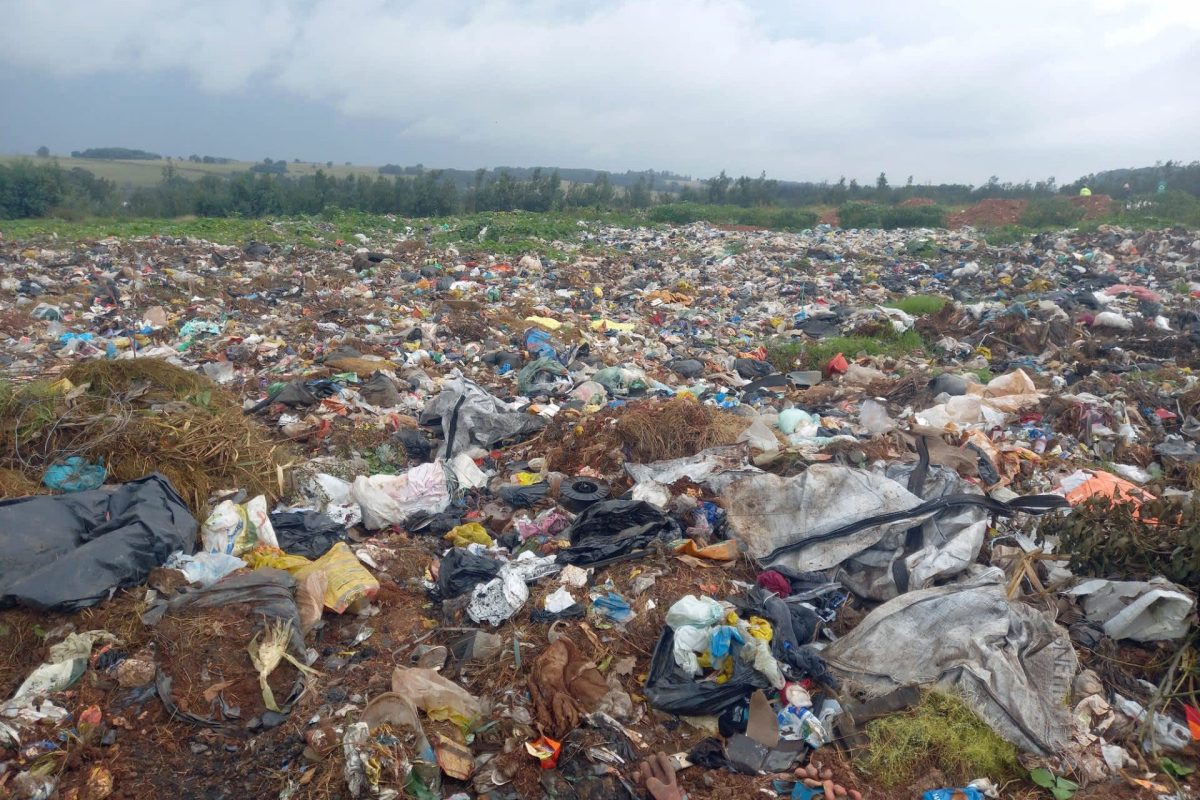
Coca-Cola, PepsiCo, and Nestlé are locked in a rivalry they'd surely not like to advertise. An eight-city audit in Nigeria identified this trio as a major contributor to an ongoing crisis.
What's happening?
Coca-Cola is regularly the No. 1 producer of branded plastic waste. However, PepsiCo and Nestlé are also among the world's worst plastic polluters.
In Nigeria, a recent audit showed that multinational beverage companies and single-use plastic producers were the largest sources of plastic pollution, according to Packaging Insights.
Break Free from Plastic and Global Alliance for Incinerator Alternatives, which conducted the audit, identified Coca-Cola, PepsiCo, and Nestlé — along with Rite Foods, CWAY Group, and several local water producers — as significant contributors of plastic packaging waste.
While sachet packaging "dominated" the West African nation's waste stream, plastic bottles weren't far behind. Plastic bags were the third-most prevalent plastic waste.
Why is this important?
Plastic contamination has become so prevalent — not just in Nigeria but also around the globe — that a study detected microplastics in nearly 80% of human blood samples. The fact that Coca-Cola, Pepsi, and Nestlé packaging appeared in the audit isn't surprising given what we already know about their operations and the pervasiveness of plastic waste.
TCD Picks » Quince Spotlight
💡These best-sellers from Quince deliver affordable, sustainable luxury for all




However, it serves as a clear example of how the responsibility for reducing plastic waste should start at the source, according to Favour Onodjohwo, program officer at the Green Knowledge Foundation, which envisions a world wherein development and nature both thrive.
"The evidence from six years of brand audit data makes one thing clear: Nigeria's plastic crisis is not mainly a waste management issue; it is a production and accountability failure," Onodjohwo told Packaging Insights. "Major corporate polluters need to transition to reuse and refill delivery systems or to toxic-free, recyclable materials for product packaging, with a timeline to eliminate non-recyclable and toxic plastics."
What's being done about this?
Nigeria's largest city, Lagos, banned single-use plastics, and federal officials are working on policy measures to handle plastic waste.
"Nigeria has an overarching policy known as the National Policy on Plastic Waste Management, updated by the Federal Ministry of Environment," Joshua Dazi, program development manager at the Nigerian Conservation Foundation, told Packaging Insights. "... Although it is not yet a full Act of the National Assembly, the NPPWM establishes clear policy direction and authority for government action. It empowers the federal government to restrict single-use plastics, introduce levies or phased bans, promote recycling, and enforce [extended producer responsibility] among producers and importers."
TCD Picks » Quince Spotlight
💡These best-sellers from Quince deliver affordable, sustainable luxury for all
In the meantime, Coca-Cola, Pepsi, and Nestlé all have programs to reduce plastic waste. For example, they have rolled out more eco-friendly packaging in certain markets. Still, this audit demonstrates they have a long way to go to achieve their sustainability goals.
|
Which of these savings plans for rooftop solar panels would be most appealing for you?
Click your choice to see results and earn rewards to spend on home upgrades. |
 Save $1,000 this year 💸
Get TCD's free newsletters for easy tips to save more, waste less, and make smarter choices — and earn up to $5,000 toward clean upgrades in TCD's exclusive Rewards Club.