


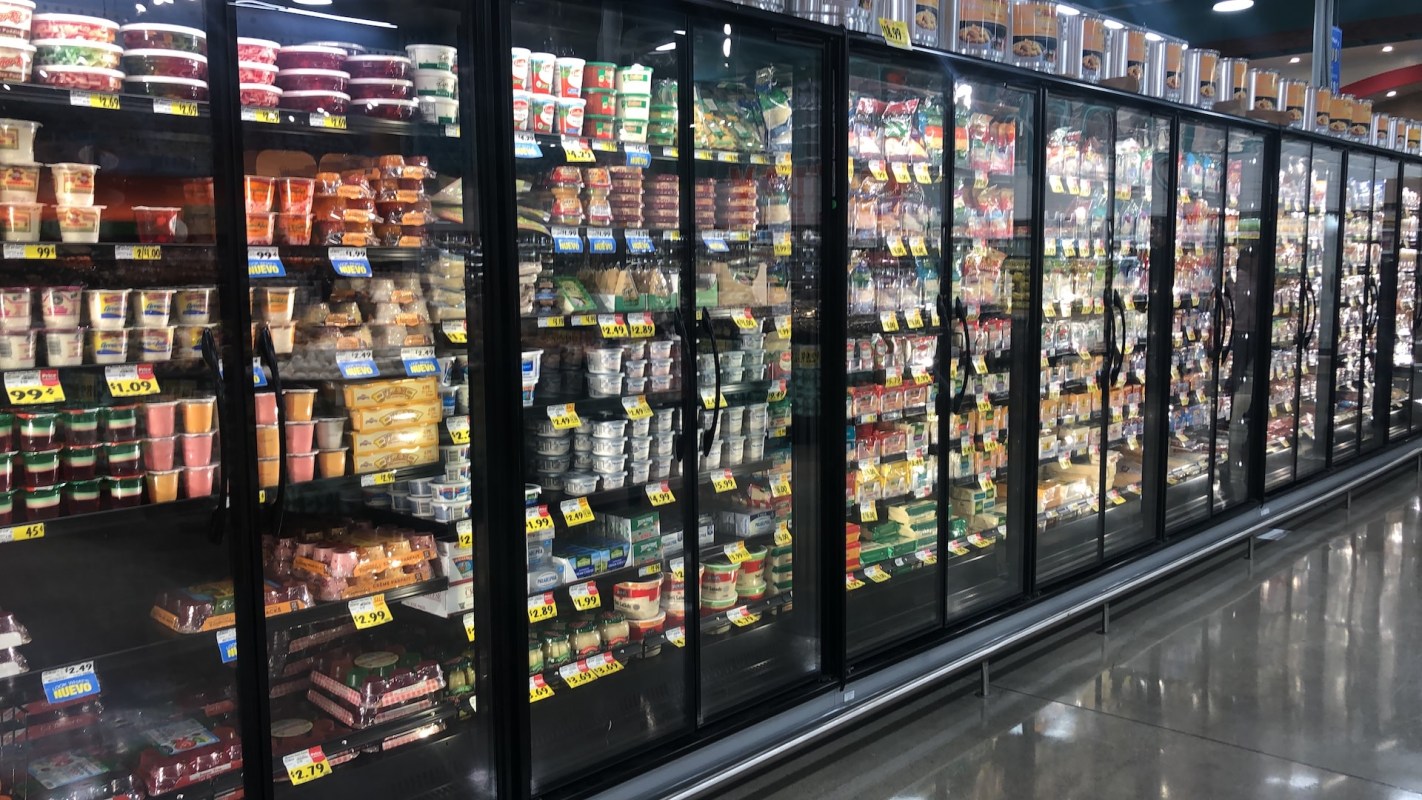
A massive, nationwide recall of a popular prepared food item is underway, according to WGCU.
What's happening?
On Monday, Oct. 27, the U.S. Department of Agriculture's Food Safety and Inspection Service (FSIS) published an announcement detailing the recall.
It involved nearly 65 tons of ready-to-eat pulled pork sandwiches and was broad in scope, affecting units produced between Jan. 13 and Oct. 15.
The product in question was Deli Express BBQ Pulled Pork on a sesame seed bun, and a total of 127,887 pounds were recalled.
According to FSIS, the recall was initiated following "multiple complaints from consumers" about plastic shards found in Deli Express sandwiches.
The recall notice indicated that the items in question bore a specific establishment number, "EST. 2451," inside the USDA's inspection mark.
TCD Picks » Quince Spotlight
💡These best-sellers from Quince deliver affordable, sustainable luxury for all




Minnesota-based distributor E.A. Sween Company produces the pre-packaged sandwiches for wholesalers. It traced the plastic particle contamination to gallon-sized sauce jugs used in the manufacturing process.
Why is this concerning?
Oftentimes, particularly with beverage distributors, instances of potential plastic contamination are limited to a region, as was the case with a localized Coca-Cola recall in October.
Details about the nature of the plastic contamination beyond its presumed source were not provided. It was unknown if risks associated with the recall could be direct, such as airway obstruction or internal injury.
However, plastic contamination poses dangers beyond the risk of consuming potentially sharp shards of the material.
|
Do you think forever chemicals should be banned from all products? Click your choice to see results and speak your mind. |
 Yes 👍
Yes 👍 Microplastics are an "emerging contaminant of concern," as the title of a 2023 study in the peer-reviewed journal Bioengineering stated.
Although microplastics and nanoplastics evaded scientific scrutiny until 2004, their discovery sparked extensive ongoing research as scientists race to quantify and mitigate their risks.
Research confirmed that microplastics are pervasive in the air, water, and soil, as well as in wildlife and human bodies.
Exposure to microplastics is linked with severe adverse health outcomes, including serious cardiac events like heart attacks and some cancers.
What's being done about it?
The potentially contaminated product was not confined to a small distribution area.
The FSIS notice indicated it was distributed nationwide, "including [to] the Department of Defense," and it warned consumers to check their freezers for the recalled sandwiches.
"Consumers who have purchased these products are urged not to consume them. These products should be thrown away or returned to the place of purchase," the notice advised.
Broadly, as the risks of plastic become clearer, taking steps to avoid exposure — particularly ingestion — is one way for consumers to lower their risk.
Using less plastic when possible limits direct exposure to microplastics and reduces the amount moving through the supply chain.
Replacing your most-used items with plastic-free alternatives is another great way to make a big personal impact with just a few small changes.

Join our free newsletter for easy tips to save more and waste less, and don't miss this cool list of easy ways to help yourself while helping the planet.







