


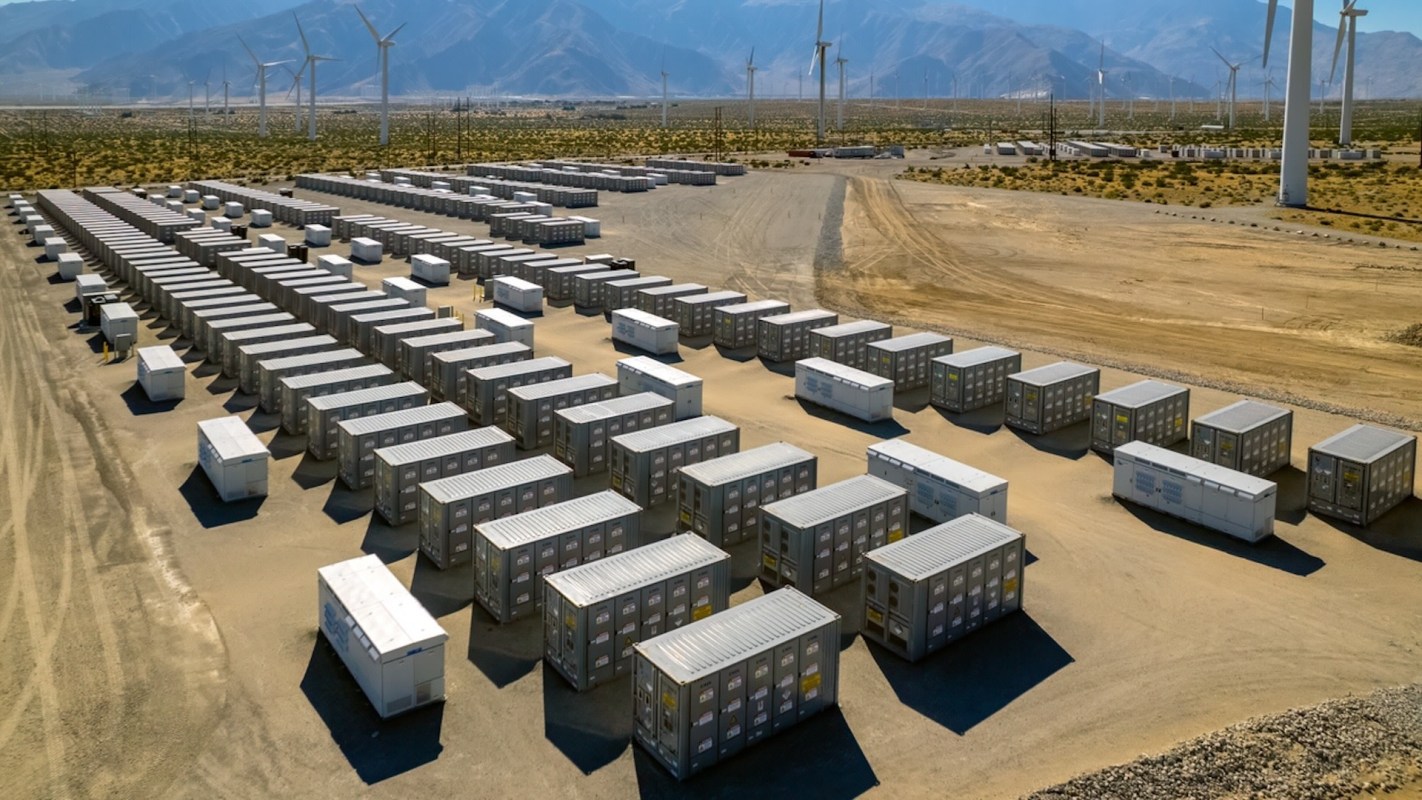
A research team from Leibniz University Hannover and the Institute for Solar Energy Research Hamelin has revealed that the strategic use of electrolyzers and battery storage systems is key to reducing costs in the transition to a more sustainable energy economy.
What are electrolyzers and battery storage systems?
Adapting to the fluctuating supply of solar and wind power is a significant challenge, and adding electrolyzers and battery storage systems to the mix can help in this effort, according to a news release.
Sunlight is only available for power generation for a portion of the day, and storing excess energy gathered at peak times helps balance the grid after sunset, when demand spikes.
Electrolyzers can use excess renewable energy to power the creation of hydrogen, which can later be used as fuel for industry and to power hybrid fuel-cell vehicles.
Batteries — both utility-scale and smaller home systems — can store energy and feed it back to the grid to help mitigate the need for energy generated by more carbon-intensive means.
Why is the strategic use of these tools important to energy costs?
The strategic placement of both electrolyzers and battery storage systems can help keep energy costs down while helping achieve climate action goals.
TCD Picks » Quince Spotlight
💡These best-sellers from Quince deliver affordable, sustainable luxury for all




One of the study's optimized scenarios describes electrolyzers being used in northern Germany, where wind power is abundant. They can always operate when electricity generation exceeds demand.
In contrast, southern Germany is better suited to battery storage systems since the region generates more electricity from solar power.
"Our study shows that in 2050 approximately 35% of the electricity from renewable energies first needs to be stored or transformed into hydrogen in order to be used efficiently," lead author Alexander Mahner said. "If we don't do this to a sufficient extent, the overall costs of the energy transition could increase by up to €60 billion [$70.2 billion] because we need more imports."
Global solar installations are growing, reaching nearly 600 gigawatts during 2024, a 33% increase over the previous year, according to Solar Power Europe.
|
Do you think our power grid needs to be upgraded? Click your choice to see results and speak your mind. |
 Definitely 👍
 Electrolysis capacity used for producing hydrogen has also been growing over the past few years. By the end of 2023, there was an installed capacity of 1.4 GW, double that of the previous year.
At the same time, manufacturing capacity for electrolyzers has also doubled. If all the hydrogen-generating electrolysis projects in the works are realized, it could lead to an installed capacity of 230-520 GW by 2030.
With the right balance of backups to store excess energy in batteries or convert it to useful hydrogen, we could operate renewable energy systems at their fullest potential without overburdening the grid, the report concluded.

Join our free newsletter for good news and useful tips, and don't miss this cool list of easy ways to help yourself while helping the planet.






