


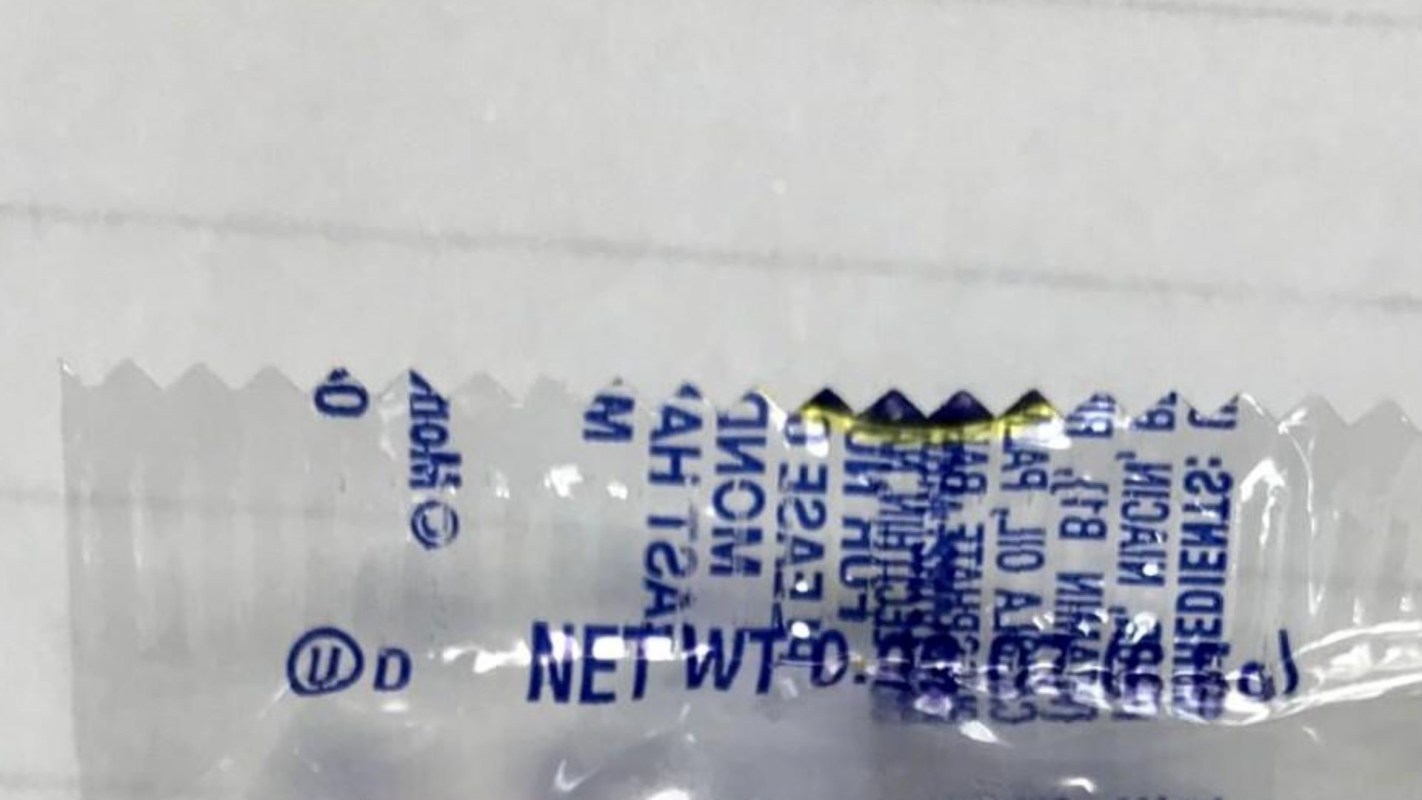
An employee stumbled across an odd object in their office's kitchen — and internet users on Reddit tried to make sense of the situation.
What's happening?
A Reddit user posted a photo of single-serving Ritz crackers wrapped in plastic. The package appears to contain only one cracker, though Ritz nutritional labels suggest that a second cracker may be underneath the top one.
Regardless, the poster and their coworkers believed the discovery merited a share in the subreddit for products with "entirely too much packaging."
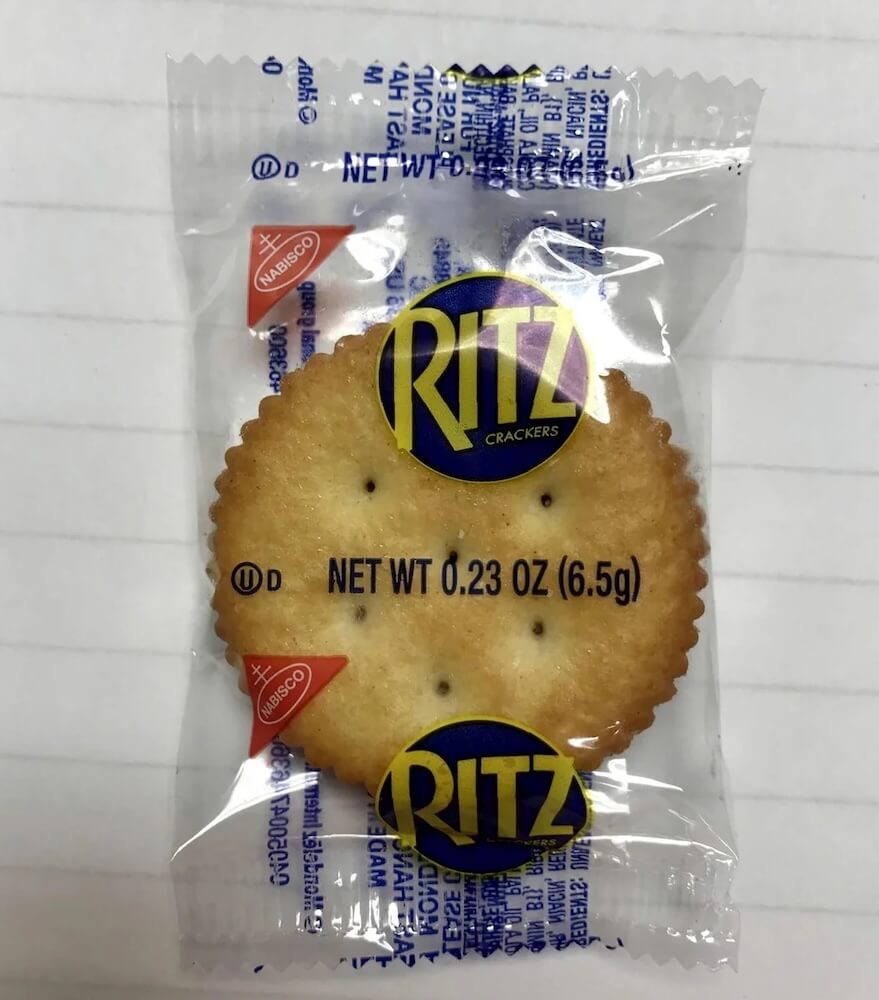
"Would you like Ritz? Just the one Rit is fine," one commenter quipped.
"This s*** is going to keep up until it's just an echo of a crumb with a lifetime leveraged repayment plan," another wrote cynically.
Why is this important?
While single-serving snacks may be convenient in the short term, it's less cost-effective for businesses to manufacture and sort goods into individual packages. Consumers end up paying more for these products and then have to deal with unnecessary waste on the back end.
Our World in Data estimates that global plastic production has surged from merely 2.2 million tons in 1950 to nearly 500 million tons today. This plastic doesn't break down naturally. Instead, it sticks around in landfills and as unregulated litter for generations. This environmental contamination threatens our food supply systems, economies, and public health.
Ritz, which is owned by Mondelez International, isn't the only brand accused of employing egregious packaging. A shopper recently called out Texas-based supermarket HEB for selling organic produce in plastic. Another put Walmart on blast after coming across a display filled with plastic-wrapped garlic (which has a naturally protective outer hull).
Is Mondelez International doing anything about this?
Mondelez International sells its products in 150-plus countries. In addition to being the parent company of Ritz, it owns numerous popular brands, including Oreo, Halls, Triscuit, and Tang.
In its 2024 ESG report — dubbed "Snacking Made Right" — Mondelez says that it reduced virgin plastic in packaging by nearly 5% compared to a 2020 baseline (virgin plastic is more energy-intensive and polluting to produce than recycled plastic). Last year, 96% of its plastic packaging was also designed to be recycled, moving it closer to its goal of 98% by 2025.
TCD Picks » Quince Spotlight
💡These best-sellers from Quince deliver affordable, sustainable luxury for all




What's being done about this more broadly?
Recycling plastics is tricky — and that's reflected in the stunningly low recycling rates in many countries. Reverse vending machines are emerging as a way to make the process easier for consumers. However, the best way to support a cleaner future is to choose plastic-free alternatives whenever possible. Many brands also sell products in plastic-free packaging.
|
Should companies be required to help recycle their own products?
Click your choice to see results and speak your mind. |
 Definitely 👍
💰Get TCD's free newsletters for easy tips to save more, waste less, and make smarter choices — and earn up to $5,000 toward clean upgrades in TCD's exclusive Rewards Club.
Cool Picks




