


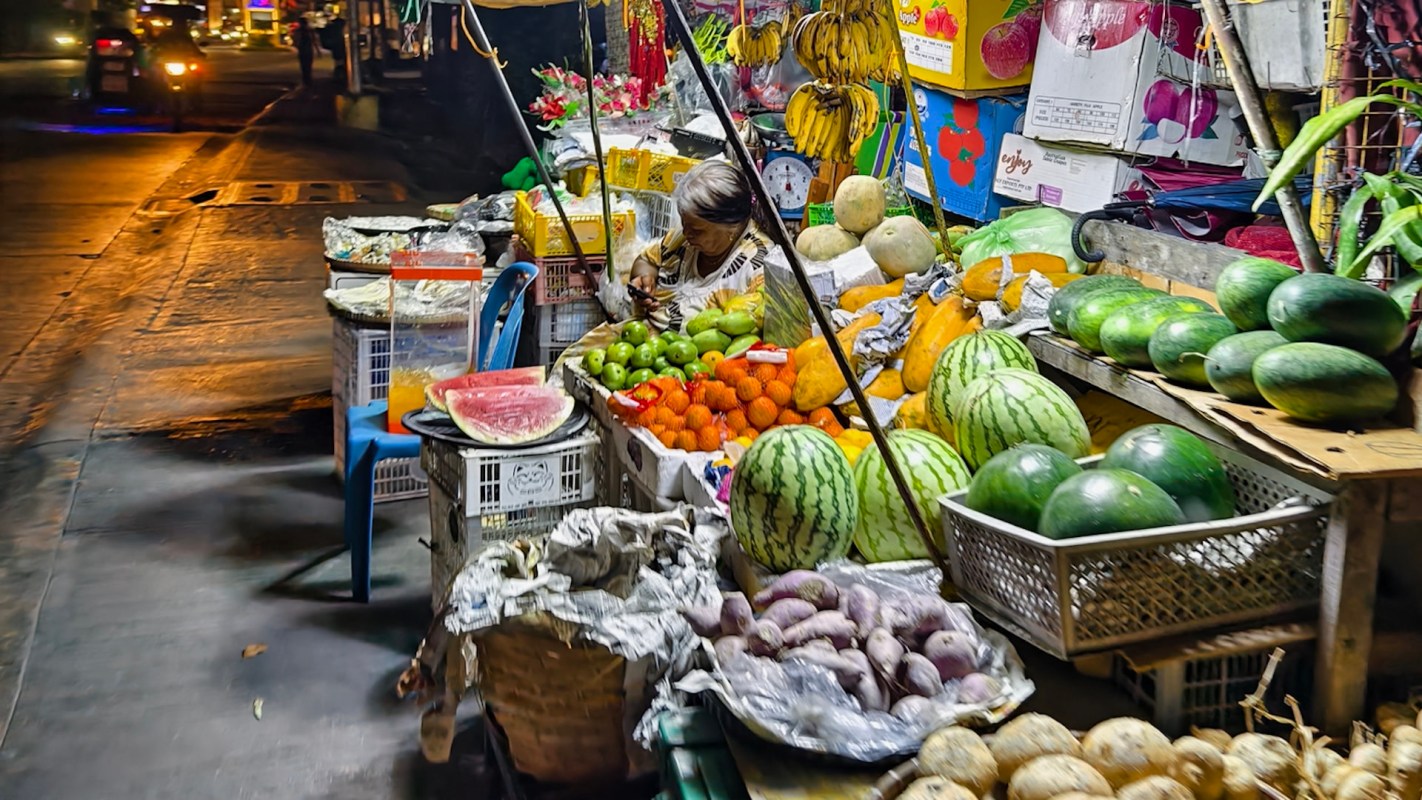
Produce in the Philippines is getting pricier due to destructive weather destroying crops, according to ABS-CBN News.
What's happening?
Unseasonable monsoons have disrupted the agriculture of staple crops like carrots, cabbage, eggplant, red onions, garlic, and tomato. Local favorites like ampalaya, sitaw, and kangkong have also been affected.
One study showed that eight or nine tropical cyclones cross the Philippines every year, and an average of 20 enter the wider area every year. This makes it one of the hardest-hit countries in the world when it comes to tropical storms.
Combined with recent infestations of pests, that means the Philippines is facing steep food supply challenges. As a result, market prices have risen dramatically, in some cases by over 60%.
Why is food production important?
A primary driver of destructive weather patterns like these is increasing atmospheric pollution. Greater production of heat-trapping gases exacerbates both flood and drought conditions, which in turn affect agriculture. These challenges are being seen in India, the U.K., America, and worldwide.
As food security decreases, people are prone to migrate, adding strain to infrastructure at their destinations.
TCD Picks » Quince Spotlight
💡These best-sellers from Quince deliver affordable, sustainable luxury for all




What's being done about food production?
The Department of Agriculture has lined up 495.4 million Philippine pesos ($8.7 million) in agricultural aid to help in rice, corn, and other domestic production.
While this aid can help farmers get over the immediate challenges, shifting techniques can increase resilience in the long run. No-till farming, genetic engineering, and agroforestry are just some of the tools being used to increase food production while facing increasingly erratic weather. To that end, the Philippine government has recently launched an initiative that aims to improve regulatory frameworks and knowledge transfer for more climate-resilient agriculture in the country.
Attacking the root cause of atmospheric pollution requires broad lifestyle upgrades. This includes switching from gas heating to heat pumps, adding utility-scale solar power to the grid, facilitating electric vehicles with infrastructure, and reducing the prominence of meat in diets. You can also save money at the grocery store by planning ahead.
|
How much money do you plan to spend on home improvement projects this year? Click your choice to see results and speak your mind. |
 Under $1K 😎
Join our free newsletter for easy tips to save more and waste less, and don't miss this cool list of easy ways to help yourself while helping the planet.







