


What if clearing microplastics from your body could be as easy — and tasty — as eating your favorite side dish? Scientists said it just might be possible.
A new study suggested that bacteria found in kimchi may help remove nanoplastics from the body, offering a potential breakthrough in tackling a growing health concern, according to the National Research Council of Science and Technology.
The research, published in Bioresource Technology, focused on a specific strain of lactic acid bacteria commonly found in kimchi.
These bacteria appear to bind to nanoplastics in the gut, making it easier for the body to flush them out.
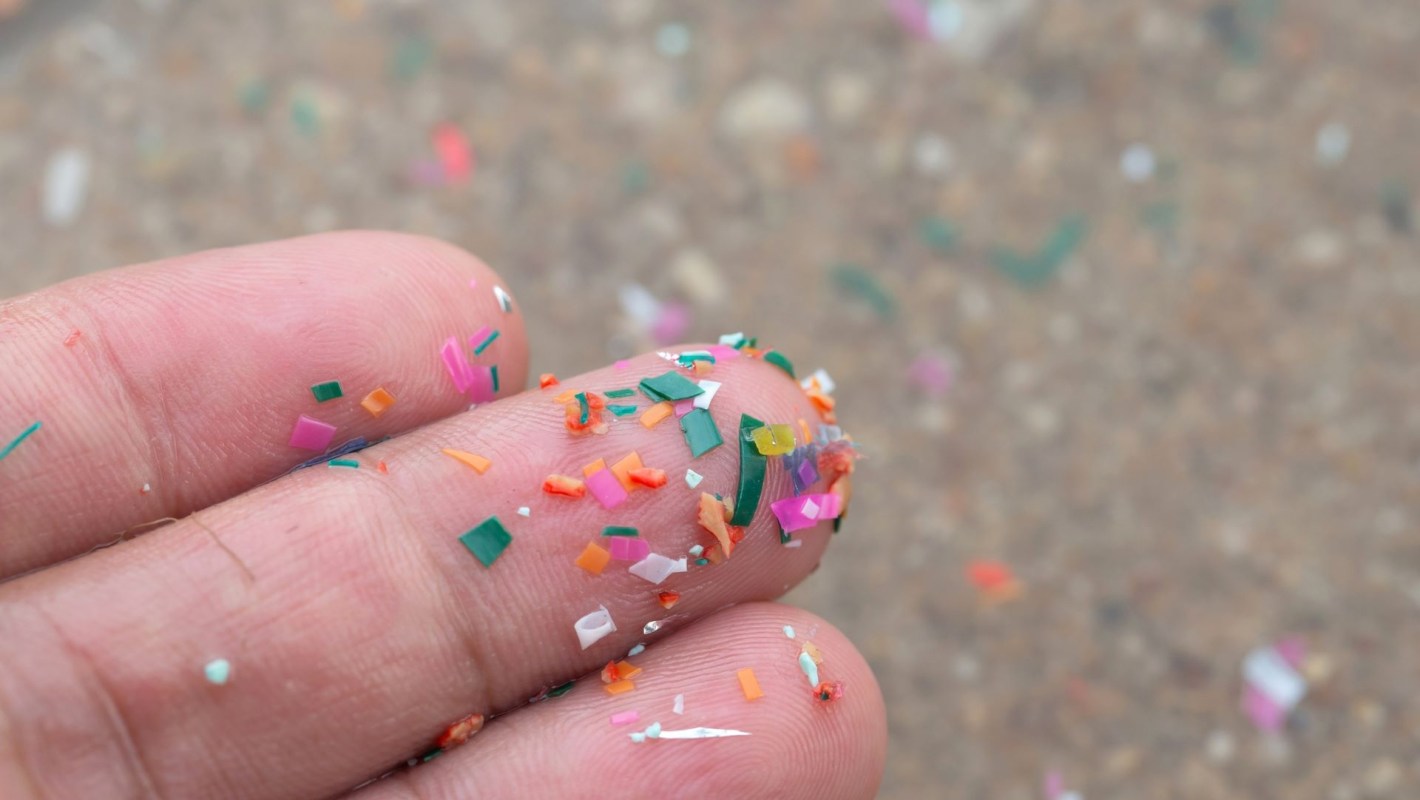
Nanoplastics are small plastic particles that can enter the body through food and water. Because of their size, they may bypass natural defenses in the gut and accumulate in organs such as the brain.
In lab tests, the kimchi-derived bacteria performed strongly, binding to up to 87% of nanoplastics under normal conditions. Even in simulated human gut environments, the bacteria maintained significantly higher binding rates than those of comparison strains.
Animal studies reinforced these findings. Mice given the probiotic excreted more than twice as many nanoplastics, providing strong evidence that the bacteria facilitated their removal from the body.
For the general public, the results add to growing interest in how gut health and dietary choices could help combat the effects of environmental pollutants.
Microplastics have already been found in drinking water, food, and even the air we breathe. While scientists are still working to understand their full impact, early research has linked them to a breadth of health concerns.
Findings like this point to a promising, accessible strategy for reducing exposure without relying on the unrealistic goal of eliminating plastics completely from everyday life.
TCD Picks » Quince Spotlight
💡These best-sellers from Quince deliver affordable, sustainable luxury for all




|
Which of these savings plans for rooftop solar panels would be most appealing for you?
Click your choice to see results and earn rewards to spend on home upgrades. |
 Save $1,000 this year 💸
 "Our findings suggest that microorganisms derived from traditional fermented foods could represent a new biological approach to address this emerging challenge," said lead researcher Dr. Sehee Lee, per Phys.org.
Still, reducing plastic use, choosing reusable products, and being mindful of packaging remain crucial steps to limit the amount of plastic entering the environment and, by extension, our bodies.

Get TCD's free newsletters for easy tips to save more, waste less, and make smarter choices — and earn up to $5,000 toward clean upgrades in TCD's exclusive Rewards Club.
Cool Picks




