


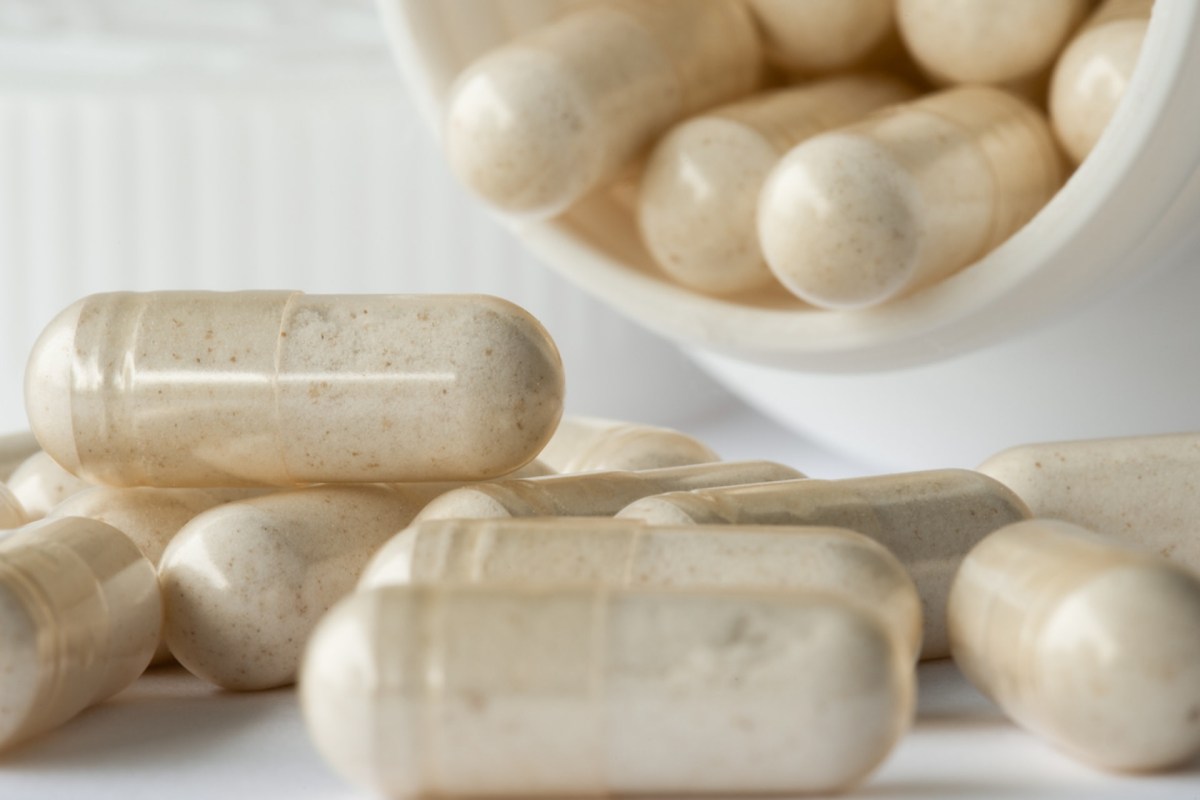
Scientists have discovered an unlikely ally to fight toxins found in microplastics, and many of us might already be loading up on these defenses.
A report from the Guardian detailed how researchers in Iran have found that probiotics can reduce the toxicity and inflammation that microplastics cause in gastrointestinal systems.
The study revealed that probiotic micro-organisms can "modify [the] toxic effects [of microplastics] on different tissues" when studying the impact on polystyrene particles.
"The use of probiotic supplementation for improving the microbiome could be an effective intervention to counter different toxins," the researchers said, per the Guardian.
Probiotics in fermented dairy and pickles can bind to and degrade chemicals known as phthalates, which are typically found in plastic. The research cited two separate studies that noted lactobacillus plantarum can have these effects.
While more research is needed on the impact of microplastics in the human body, the Guardian cited a study from scientists in China that observed their effects on mice, including testicular inflammation, decreased sperm health, and a reduction in healthy gut bacteria.
TCD Picks » Quince Spotlight
💡These best-sellers from Quince deliver affordable, sustainable luxury for all




The addition of probiotics to the diets of these mice, though, increased sperm vitality.
Meanwhile, a study from Tufts University revealed that high concentrations of polystyrene particles can lead to increased inflammatory proteins known as cytokines in the gut. The Guardian observed these have been linked to inflammatory bowel diseases.
Microplastics are being discovered in more and more unexpected areas around the globe. A study by Japanese scientists found the material in the clouds above Mount Fuji and Mount Oyama. Elsewhere, German and Norwegian researchers found them in air samples along the Norwegian coastline and towards the Arctic.
While removing microplastics from the environment completely would be nearly impossible, solutions are being studied that could make a real difference.
Researchers from the University of British Columbia, for example, found that sawdust and plant-based materials can filter microplastics from drinking water, while scientists from Princeton Engineering have developed an aerogel made from egg whites that has been 99% efficient at removing microplastics from seawater.

Join our free newsletter for weekly updates on the coolest innovations improving our lives and saving our planet.






