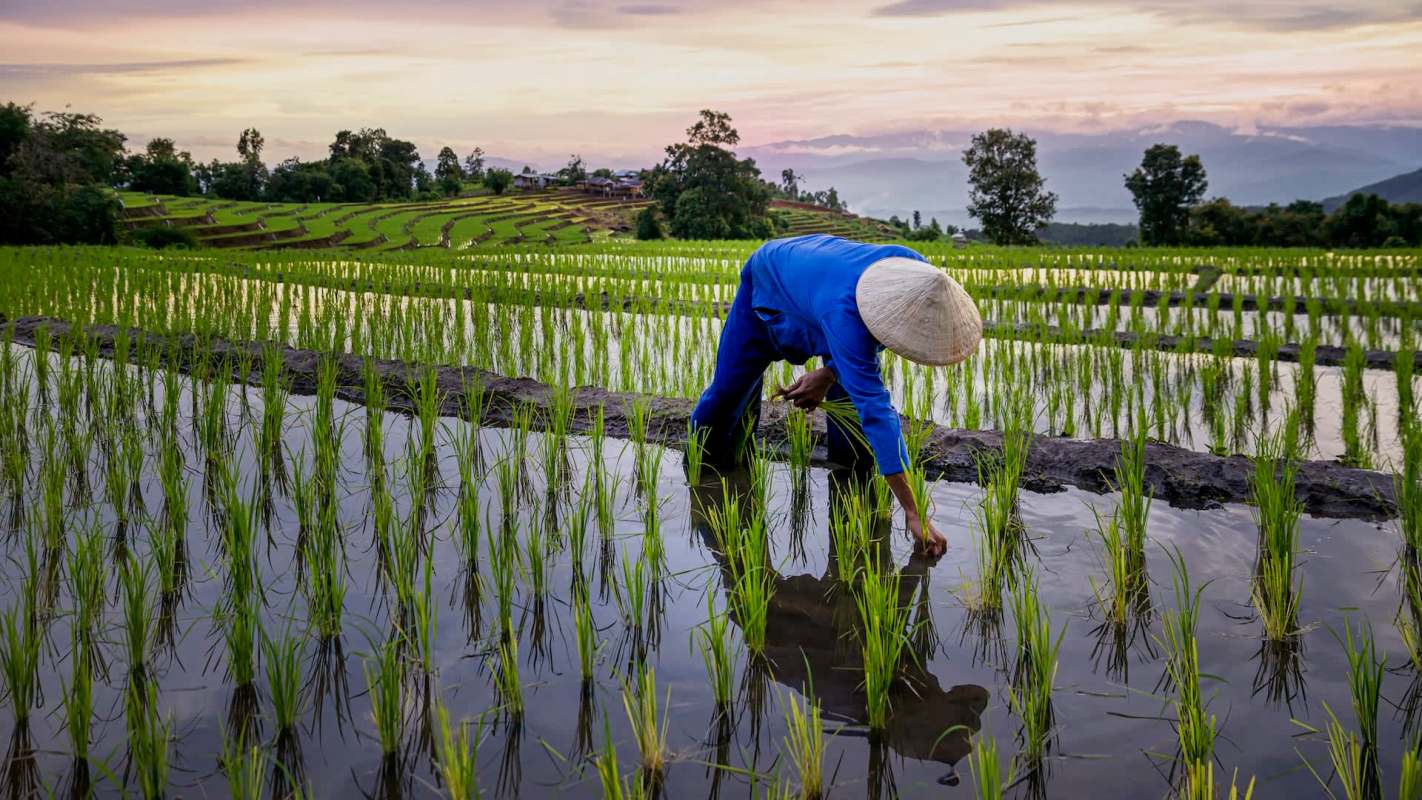
Rice is a food staple so common that many people don't think twice about it. It's affordable, filling, and quietly shows up in meals around the world.
But new research shows that extreme flooding is increasingly disrupting rice production, with consequences that could ripple through global food systems and household budgets alike.
What's happening?
According to ABC News, scientists analyzing decades of data found that extreme flooding between 1980 and 2015 led to an average annual decline of 4.3% in global rice yields, adding up to as much as 18 million tons of lost rice per year.
In some heavily farmed regions, the damage was far worse. Parts of Southeast Asia saw yield losses of 7%, while rice-growing areas in eastern China and areas in India experienced losses of up to 15% annually.
"That's a huge impact," said Zhi Li, a University of Colorado Boulder researcher and lead author of the study. And because rice is a dietary cornerstone for more than half of the world's population, those losses don't stay local for long.
Economists warn that shrinking supply often leads to higher prices. As Cristina Connolly, an agricultural economist, told ABC News, "You are going to see a lot of households that are impacted." Not just farmers, but families who rely on rice as an affordable staple.
Stay hydrated and refreshed this holiday season — without any sugar or harmful additives Nuun’s zero-sugar hydration tablets are a perfect, guilt-free way to enhance your water throughout the day. You’ll get five essential electrolytes for everyday hydration — with zero grams of sugar. Plus, Nuun tablets are certified vegan and gluten-free, and they’re the perfect size to keep in your car, purse, or anywhere you'll want a healthy, restorative drink. Learn more → |

Why is this shrinking supply concerning?
Floods have always existed, but scientists say rising global temperatures are making heavy rainfall events more frequent and more intense. That means floods are hitting more often, lasting longer, and damaging crops that were once relatively resilient.
Rice is especially vulnerable because it's typically grown in waterlogged fields, conditions that can quickly turn destructive when rainfall becomes excessive.
Continued losses could destabilize global rice markets, pushing prices higher and making it harder for lower-income households to afford basic meals.
This also ties into broader food security concerns. When staple crops become less reliable, the effects can cascade through economies, affecting jobs, grocery prices, and access to nutrition.
There's a reason dermatologists personally use this daily moisturizing sunscreen more than any other brand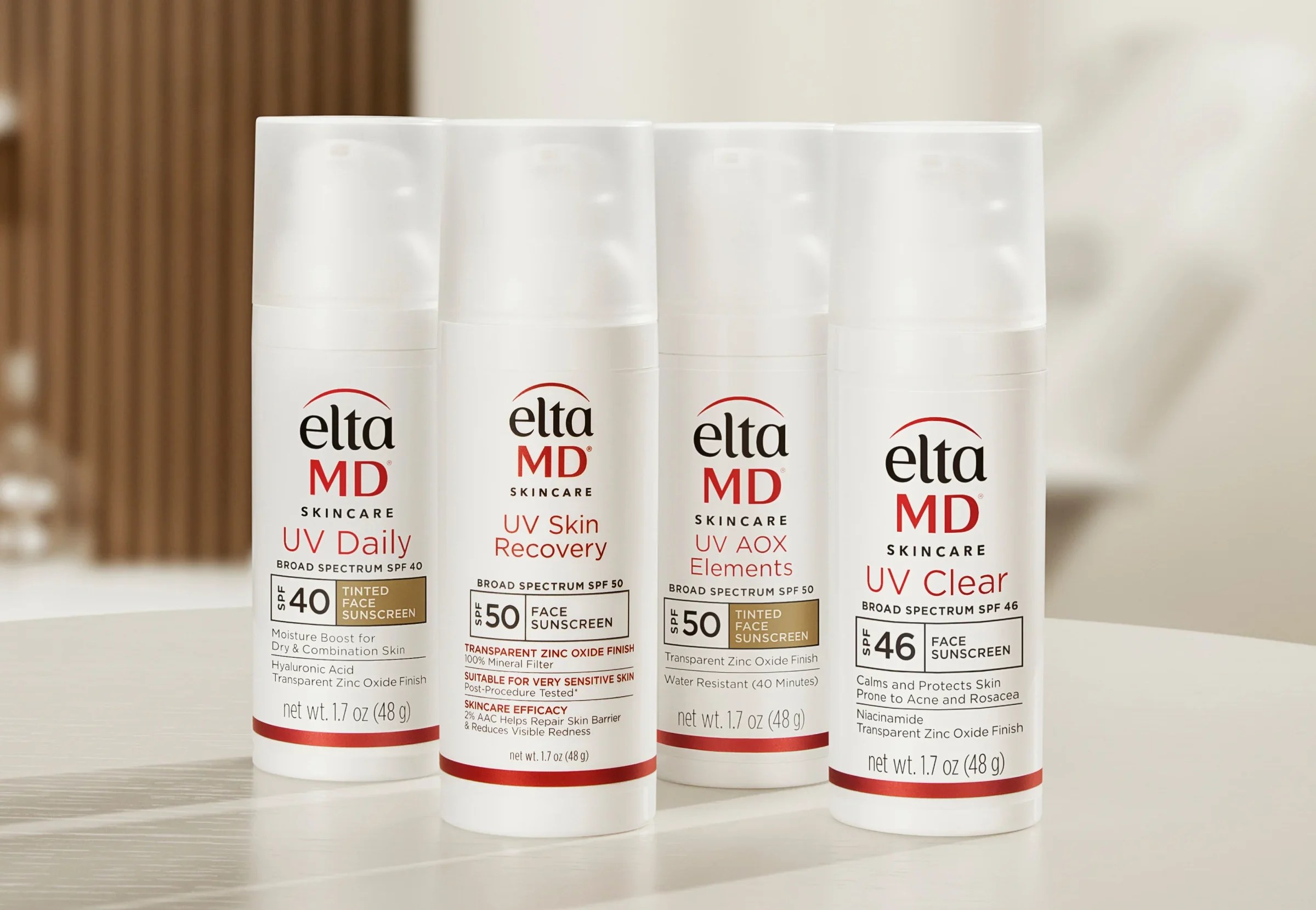 Dermatologists see and understand skin at a much deeper level than the rest of us, and they know that the perfect SPF both protects and corrects your skin. That's why they trust, recommend, and personally use EltaMD more than any other brand. EltaMD's clinically tested formulas are designed with dermatologists to meet the needs of any skin type or condition. They're also designed for consistent daily wear to build long-term resilience with a moisturizing, lightweight, non-comedogenic texture — plus hyaluronic acid to help reduce the appearance of fine lines and wrinkles. Learn more → |

|
What's your biggest motivation in trying to reduce your personal food waste?
Click your choice to see results and speak your mind. |
 Saving money 💰
 What's being done about the rice supply?
Researchers are working on several fronts. One promising development comes from Chile, where scientists and farmers successfully grew rice without flooding fields, using a method that spaces seedlings farther apart and waters them only intermittently.
Elsewhere, plant breeders are developing ways to fertilize rice using nanoscale applications of selenium, an essential nutrient for humans that can also make plants more resilient.
At a bigger-picture level, efforts to slow global overheating, from cleaner energy systems to smarter land use, are key to reducing the intensity of future critical climate issues.

Get TCD's free newsletters for easy tips to save more, waste less, and make smarter choices — and earn up to $5,000 toward clean upgrades in TCD's exclusive Rewards Club.
Cool Picks