


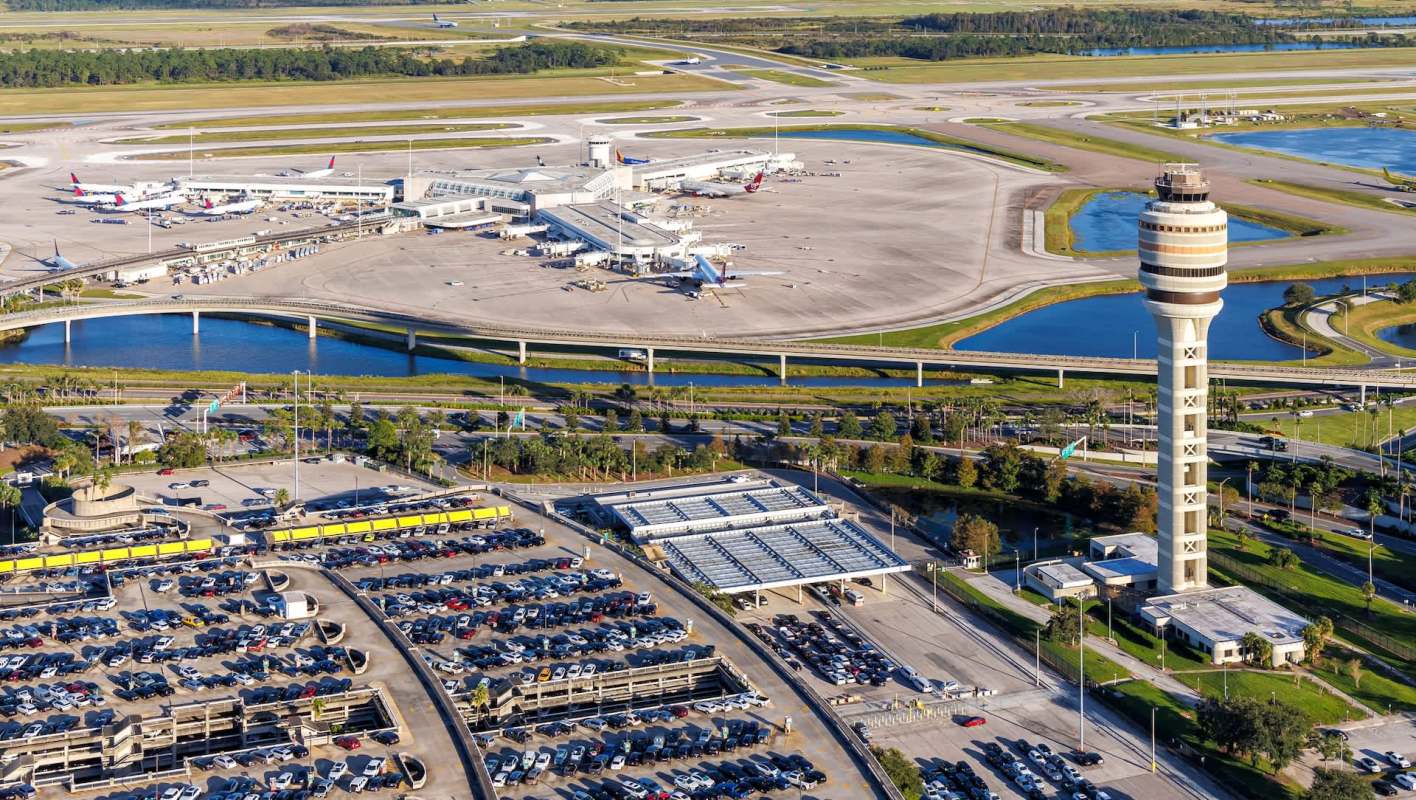
Customs officials at India's Kempegowda International Airport in Bengaluru uncovered a disturbing case of wildlife trafficking after intercepting passengers attempting to smuggle live animals in their luggage.
What's happening?
Customs officials stopped three passengers arriving from Bangkok after receiving a tip about suspected smuggling, The Hindu reported. Officers found multiple live animals concealed inside their suitcases as well as several animals that had died during transport.
The passengers were allegedly carrying the animals without the permits required under Indian law. Authorities believe they may have been acting as couriers for a larger international smuggling network.
Among the seized animals were squirrel monkeys, green and albino iguanas, blue iguanas, Abert's squirrels, Patagonian hares, and albino sugar gliders. Many are protected under India's Wild Life Protection Act 1972 and the Convention on International Trade in Endangered Species of Wild Fauna and Flora.
Why is wildlife smuggling concerning?
Wildlife trafficking is cruel and harmful to animals, but it can also destabilize entire ecosystems. When non-native species are transported across borders, they could become invasive if released, potentially outcompeting native wildlife and spreading unfamiliar diseases. Moving live animals across regions also raises the risk of transmission of zoonotic diseases — illnesses that can spread from animals to humans.
These impacts ripple outward, affecting farmers, food chains, and communities. Invasive species have been linked to crop losses, biodiversity losses, and increased costs for governments to contain and monitor their spread.
Beyond environmental damage and threats to public health, wildlife trafficking is a huge setback for conservation efforts, delaying progress toward safe, more resilient ecosystems that support food security, livelihoods, and clean natural resources.
What's being done about wildlife trafficking?
In this case, the Wildlife Crime Control Bureau was notified, and legal proceedings were underway. The surviving animals may be returned to Thailand after being checked out by the animal quarantine service.
Enforcement at airports and border checkpoints is continuing, with increased coordination between officials and countries. For example, Malaysian authorities stopped someone trying to smuggle two gibbons to Mumbai in late 2025, and authorities intercepted smuggled turtles on an Indian train in early 2026.
Conservation groups and governments are working to disrupt trafficking networks by strengthening inspections, improving intelligence-sharing, and increasing penalties for illegal wildlife trade. The public can also help by reporting suspicious activities to authorities.
TCD Picks » Quince Spotlight
💡These best-sellers from Quince deliver affordable, sustainable luxury for all




Protecting ecosystems requires addressing wildlife crime at its source — not only rescuing animals after the fact. That means preventing exploitation, such as the exotic pet trade, that threatens environmental health and community well-being.
|
What's the most you'd pay per month to put solar panels on your roof if there was no down payment?
Click your choice to see results and speak your mind. |
 $200 or more 💰
Get TCD's free newsletters for easy tips to save more, waste less, and make smarter choices — and earn up to $5,000 toward clean upgrades in TCD's exclusive Rewards Club.
Cool Picks




