


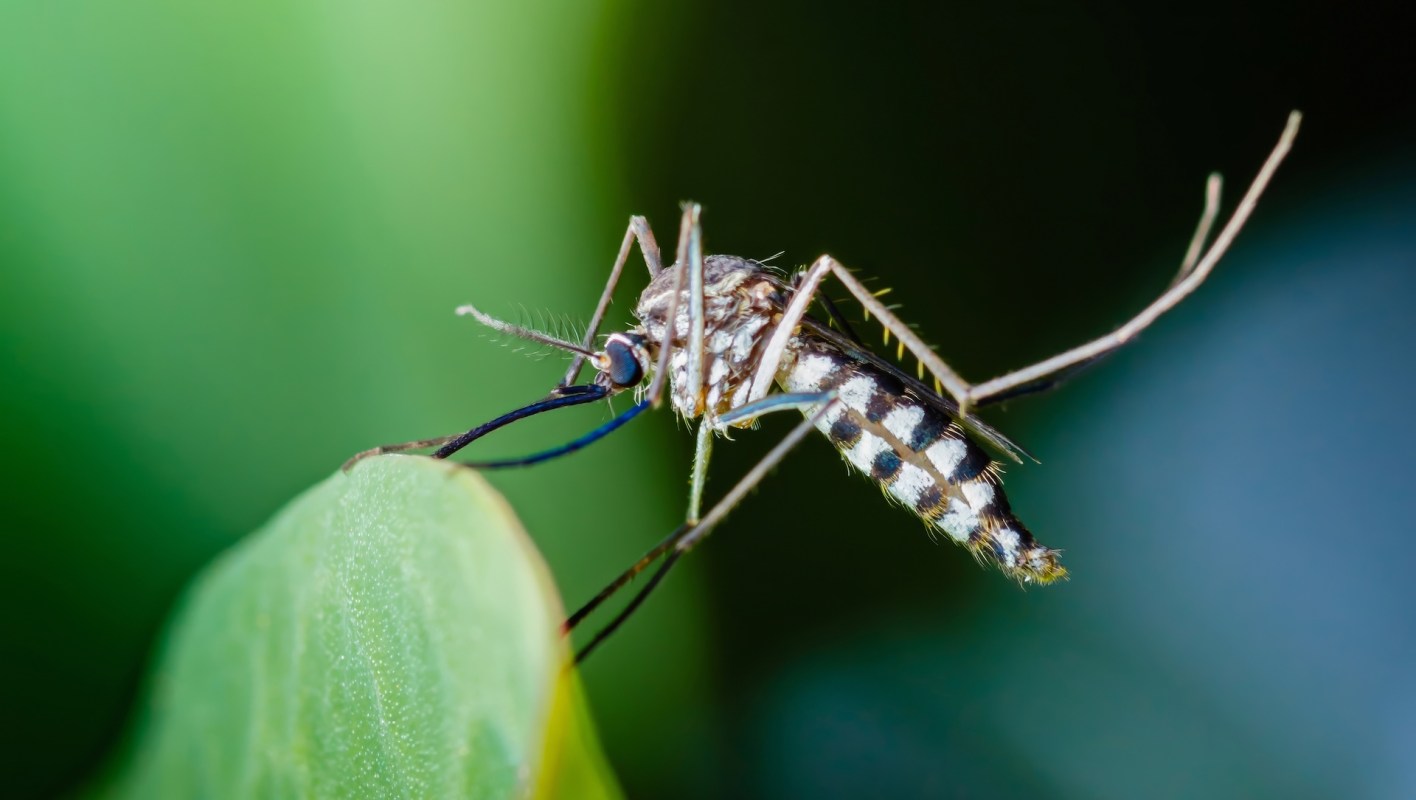
Scientists in the United Kingdom have detected invasive "tiger mosquitoes" — known for spreading diseases like dengue and chikungunya — near major transport hubs, including Heathrow Airport in London, according to Phys.org.
A new study from the UK Health Security Agency, published in PLOS Global Public Health, found mosquito eggs from two invasive species, Aedes aegypti and Aedes albopictus, during nationwide surveillance efforts between 2023 and 2024.
What's happening?
Historically limited to tropical and subtropical regions, these mosquitoes have expanded their range across Europe as temperatures rise and winters grow milder.
Researchers warn that if these species establish permanent populations in the U.K., they could bring serious public health risks to areas unprepared for mosquito-borne disease.
Senior medical entomologist Colin Johnston, who led the study, emphasized that each detection "triggered enhanced local surveillance and control measures," per Phys.org.
He added that early response and collaboration between scientists, landowners, and local authorities were key to preventing further spread.
TCD Picks » Quince Spotlight
💡These best-sellers from Quince deliver affordable, sustainable luxury for all




Why is this concerning?
While a tiger mosquito may sound exotic, its presence poses a serious threat to both people and ecosystems.
Invasive species often outcompete native wildlife for food and habitat, disrupting local biodiversity and weakening natural defenses that keep the spread of disease in check.
The arrival of Aedes mosquitoes also underscores how interconnected our global systems have become — freight storage facilities, airports, and highways can all serve as gateways for unwanted species.
Their establishment in new areas could lead not only to new disease risks, but also to increased pesticide use, threatening pollinators and other beneficial insects that support our food systems.
|
How bad are the mosquitoes in your area? Click your choice to see results and speak your mind. |
 What mosquitoes? 😎
 Protecting native species and maintaining balanced ecosystems are vital steps in preserving both human and environmental health — a goal at the heart of building a cleaner, safer future for all.
What's being done about it?
The UKHSA has ramped up its surveillance network, deploying over 1,000 traps across 117 sites in England, Wales, and Northern Ireland to detect and contain invasive mosquitoes before they spread.
Citizen science programs are also helping track sightings, while local authorities are collaborating to reduce breeding grounds in high-risk areas.

Join our free newsletter for good news and useful tips, and don't miss this cool list of easy ways to help yourself while helping the planet.







