


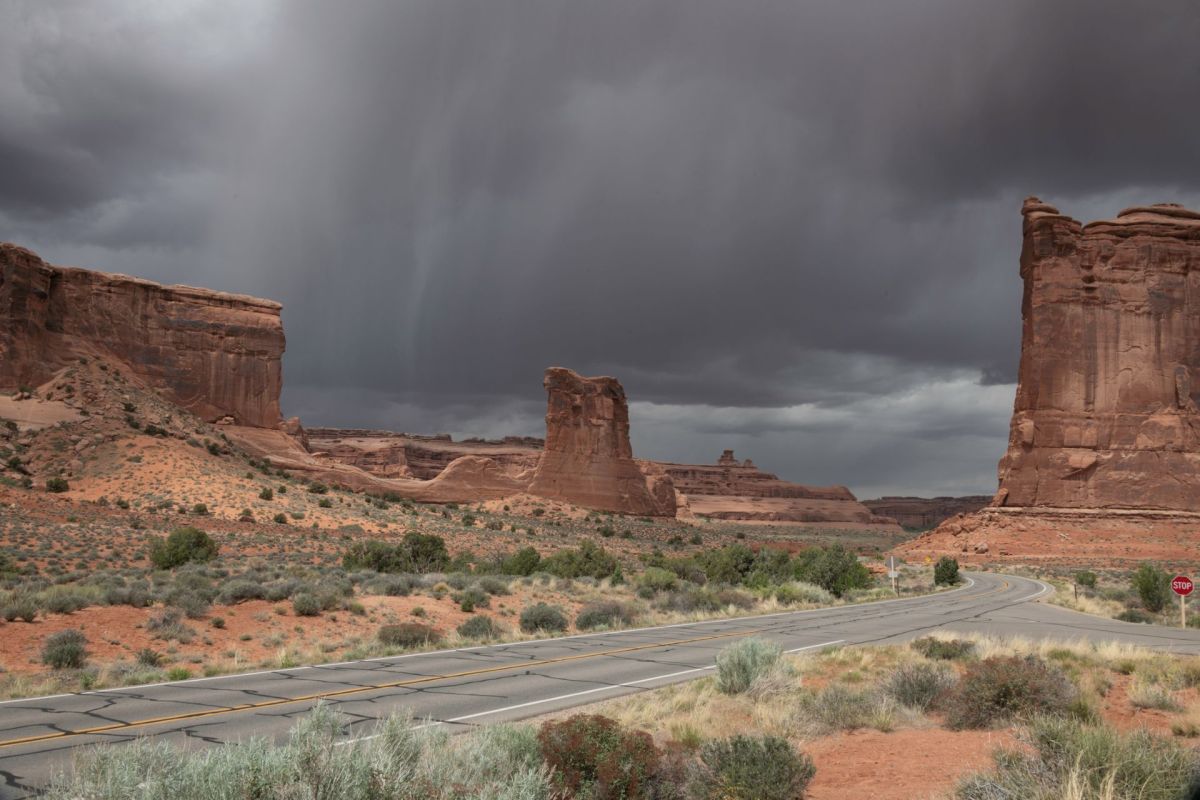
A new report uncovered a disturbing truth. Even in America's most idyllic places, little pieces of plastic are gathering in droves, posing threats to humans and wildlife.
What's happening?
Common Dreams broke down the findings of the 5 Gyres Institute's latest TrashBlitz report, which annually highlights how waste is polluting national parks and federal land. Volunteers collected nearly 24,000 pieces of trash across 59 locations.
As usual, plastic was the top culprit, representing 85% of logged waste. What was new this year was 5 Gyres' examination of microplastics, which it logged separately for the first time.
Volunteers were on the lookout for both preproduction pellets (aka nurdles) and fragments that leaked out from once-larger pieces of plastic. They didn't have to look far — greater than half the waste they found was microplastics, and they penetrated nearly everywhere.
"Even in landscapes that appeared untouched, a closer look at trails, riverbeds, and coastlines revealed thousands of plastic pellets and fragments," 5 Gyres program manager Nick Kemble divulged.
Nurdles were notably a huge part of the problem, making up 46.1% of overall waste. So who's to blame for them? Petrochemical giants like Dow, ExxonMobil, and Shell, per the Coastal & Estuarine Research Federation.
Why is microplastic pollution in national parks important?
Microplastics are jeopardizing water sources and endangering animals and humans. While we don't have a complete vision of their health risks yet, the more information we gather, the more it paints a troubling picture.
Due to their size, microplastics not only evade recycling but also break down further, releasing even more hard-to-manage pollutants. They are lightweight and can spread widely, so they end up in some of the most remote areas on Earth.
Research indicates that there are severe risks to animals such as cows and marine life such as fish. Studies on humans are also linking them to gut problems, increased cancer risk, and reproductive issues.
Even more worrisome is how easily and far they can spread with little oversight to stop them. While littering itself is a big problem identified in the 5 Gyres report, it feels more helpless to address problems like nurdles emanating from megacorporations inadvertently.
TCD Picks » Upway Spotlight
💡Upway makes it easy to find discounts of up to 60% on premium e-bike brands





|
Do you feel like the air quality is safe where you live? Click your choice to see results and speak your mind. |
 Always 💯
 What's being done about microplastic pollution in national parks?
Unfulfilled legislative efforts, such as the Plastic Pellet Free Waters Act of 2023 and the Reducing Waste in National Parks Act of 2024, aim to address aspects of these problems. The former would ban corporations from discharging nurdles into waterways, while the latter would combat single-use plastic sales in national parks.
"It's time that our elected officials act on the warnings we've raised for years — single-use plastics and microplastics pose an immediate threat to our environment and public health," implored 5 Gyres senior strategist Paulita Bennett-Martin, per Common Dreams.
Citizens can make a difference by advocating for stronger regulations and making responsible decisions at national parks. While corporation-driven nurdles were the revelation of the report, littering with food, beverages, and cigarette butts was still on display in alarming quantities.

Get TCD's free newsletters for easy tips to save more, waste less, and make smarter choices — and earn up to $5,000 toward clean upgrades in TCD's exclusive Rewards Club.
Cool Picks






