


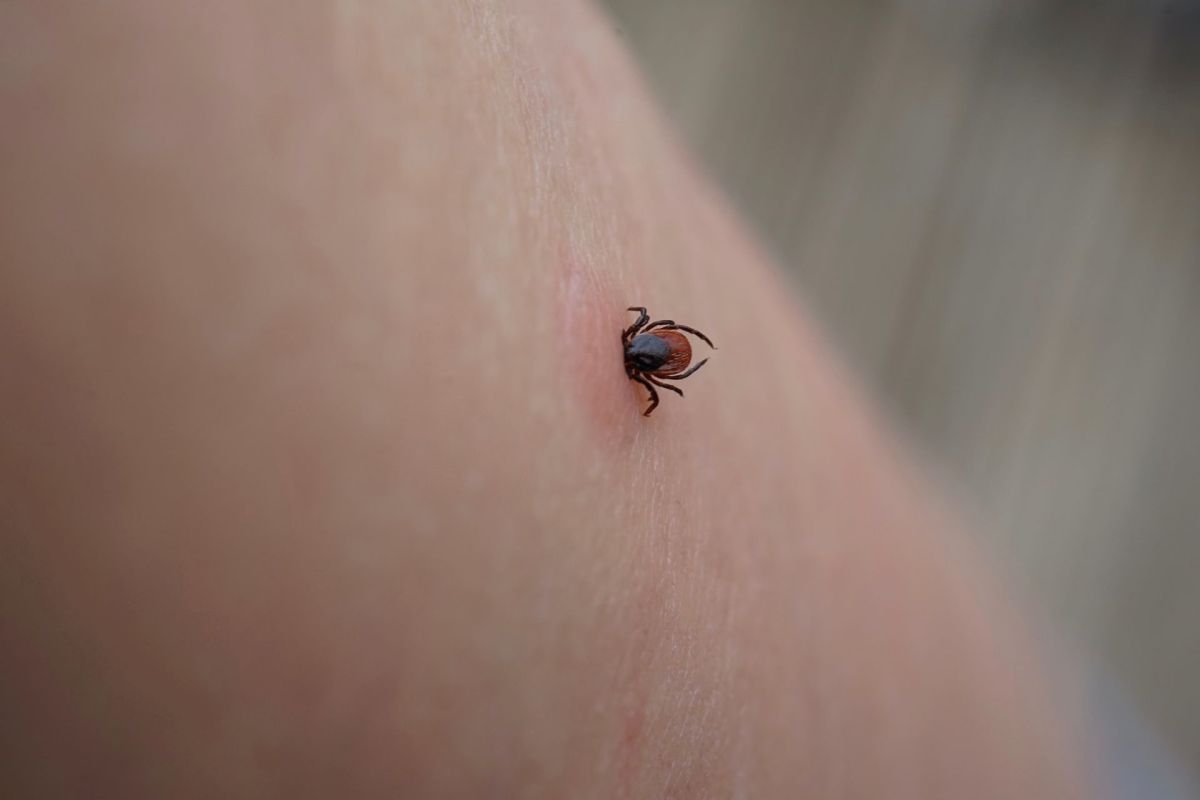
A New Jersey family is raising awareness about the dangers of tick-borne illnesses, which are becoming more common as the climate in the Northeastern United States increasingly favors breeding and activity among the insects.
What's happening?
A New Jersey man who contracted Lyme disease says he has been battling lingering neurological symptoms for years. In late January, Mike Gallagher's community hosted a benefit concert to help fund his continued treatments, the Asbury Park Press reported.
"It's all in his head, neck, and shoulders," Jen Gallagher, Mike's wife, told the outlet. "He lost his use of his arms and shoulders, and the biggest love of his life was his guitar. He can't even hold his guitar anymore."
This type of story is likely to become more common as the planet continues to heat. Ticks thrive in warm, humid environments, and rising temperatures as well as shifting weather patterns in the Northeastern U.S. have enabled their populations to grow in recent years, according to experts at Boston University.
Reported cases of Lyme disease have increased accordingly, data from the Centers for Disease Control and Prevention has suggested. Ticks are also gradually expanding their range, leading to disease spread into locations previously undisturbed by the insects.
Why is Lyme disease concerning?
Lyme disease is a bacterial infection spread through bites from infected ticks. It can cause a characteristic "bullseye" rash along with symptoms including fever, headache, fatigue, and joint pain, according to the CDC.
Sometimes, and for reasons that doctors don't fully understand, Lyme symptoms can linger even after the infection has been treated with antibiotics, occasionally leading to a diagnosis of post-treatment Lyme disease syndrome, or PTLDS.
Tick-borne illnesses as well as illnesses spread by other vectors — including mosquitoes, which can transmit malaria, dengue, West Nile virus, chikungunya, yellow fever, and Zika — are just a few of the many public health risks that humans are set to face as temperatures rise.
Rising global temperatures can also exacerbate the threat of heat-related deaths and catastrophic weather events. They may even decrease the effectiveness of vaccines, which are among our most potent tools for fighting disease.
What's being done about Lyme disease?
Scientists are working on a vaccine that could help address Lyme disease spread — providing, of course, that weather shifts don't impact the vaccine's effectiveness and that equitable access is achieved.
TCD Picks » Quince Spotlight
💡These best-sellers from Quince deliver affordable, sustainable luxury for all




|
What's the most you'd pay per month to put solar panels on your roof if there was no down payment?
Click your choice to see results and speak your mind. |
 $200 or more 💰
 In the meantime, prevention is going to be the best option for most.
Apart from working to mitigate rising temperatures through meaningful transitions to clean energy systems, experts recommend wearing long sleeves and pants to cover any exposed skin when spending time in the woods or woody areas. They also recommend using safe repellents, regularly checking skin for ticks, and removing any visible ticks with tweezers.

Get TCD's free newsletters for easy tips to save more, waste less, and make smarter choices — and earn up to $5,000 toward clean upgrades in TCD's exclusive Rewards Club.
Cool Picks




