


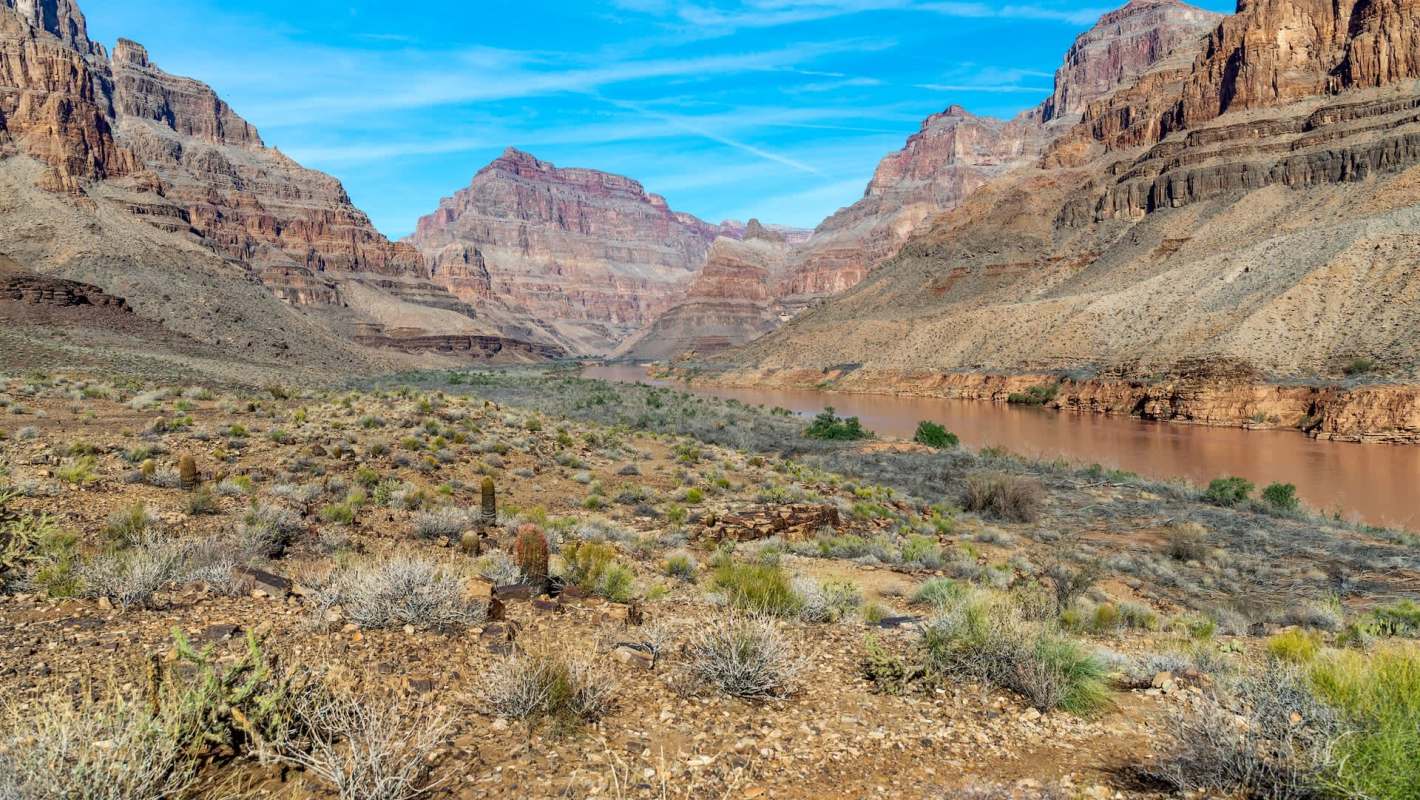
A new study is raising alarms about a surprising "drought paradox" that could shrink one of the United States' most important water supplies: the Colorado River.
What's happening?
According to Live Science, researchers found that during hot, dry periods, plants pull more water from underground than expected, leaving less water for rivers, reservoirs, and ultimately, people's faucets.
The study focused on the Upper Colorado River Basin, where snowmelt supplies water for millions.
Scientists discovered that even when the soil is extremely dry, plants continue releasing water into the atmosphere. Instead of relying on recent rain or snowmelt, they tap into deeper groundwater reserves, diverting water that would otherwise replenish rivers.
"Dry summer, wet summer; they're getting their water," environmental engineer Reed Maxwell told Live Science. "But they're finding it from other sources. They're taking it from shallow groundwater."
Over time, the impact adds up. River flows in the region have already dropped by about 35% in recent years.
"It means there will be a lot less water, and we're already seeing it," senior water and climate research scientist Brad Udall said, per Live Science. "We could see a 40% decline by mid-century."
Why is this concerning?
The Colorado River is a lifeline for the American West, supplying drinking water to millions and supporting vast agricultural operations across several states.
A dwindling water supply could lead to stricter restrictions, increased costs, and mounting pressure on farmers, cities, and ecosystems.
Intensifying drought conditions, driven by rising global temperatures, are making the problem more severe. Higher heat fuels evaporation and intensifies plant water use, creating a feedback loop that accelerates water loss.
TCD Picks » Quince Spotlight
💡These best-sellers from Quince deliver affordable, sustainable luxury for all




|
Which of these savings plans for rooftop solar panels would be most appealing for you?
Click your choice to see results and earn rewards to spend on home upgrades. |
 Save $1,000 this year 💸
 These challenges have tangible, far-reaching impacts. Water shortages jeopardize food production, heighten wildfire danger, and strain local economies. In extreme cases, drought can also threaten public health by restricting access to safe drinking water and increasing heat-related illnesses.
As extreme weather becomes more frequent, communities may face tougher decisions about how to share increasingly limited resources.
What's being done about the issue?
Researchers emphasize that studies like this can lead to smarter, more adaptive water management strategies, particularly for forecasting how much water will ultimately reach reservoirs each year.
"A better water budget that takes into account increases in summer transpiration is a really important factor when figuring out how much water there is in the basin, before we start to divide it up," said Maxwell, per Live Science.
Meanwhile, new rules for allocating Colorado River water are under negotiation.

Get TCD's free newsletters for easy tips to save more, waste less, and make smarter choices — and earn up to $5,000 toward clean upgrades in TCD's exclusive Rewards Club.
Cool Picks






