


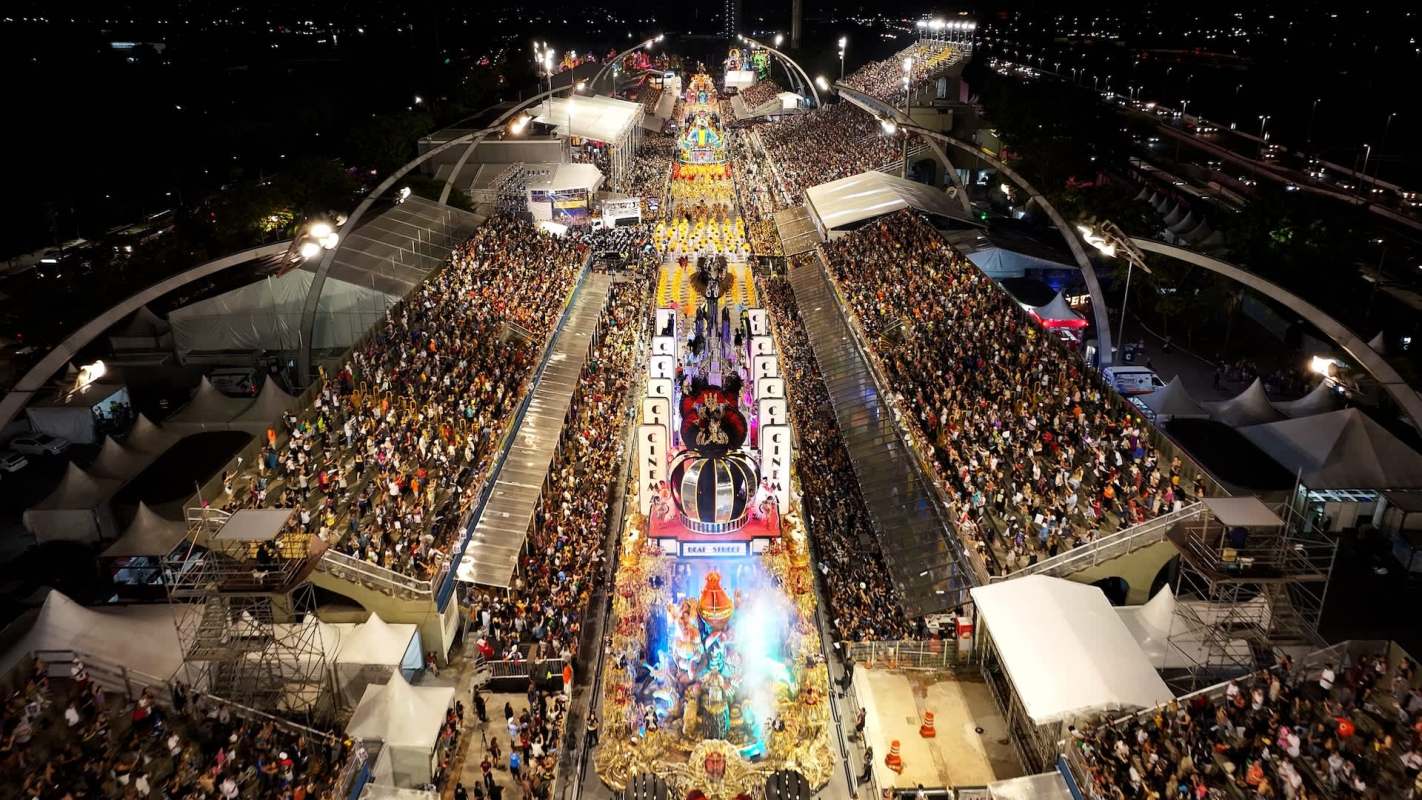
The Brazilian Carnival is renowned for its dazzling costumes, vibrant floats, and festive atmosphere. Unfortunately, research has revealed that the source of much of that flashiness and glitter deserves its own renown for the harm it causes to the local environment.
What's happening?
The Guardian reported on the glitter-mad annual event's impact on Rio de Janeiro. A study published in December examined the carnival's impact on microplastic pollution as observed at Flamengo beach.
"During carnival, there is an infinitely higher concentration [of microplastics] than before and after," revealed Tatiana Cabrini, a co-author of the study.
Glitter was at fault for a ton of the carnage on the beach. Since conventional glitter is made of PET plastic and is so small, it is essentially manufactured as a microplastic. As revelers at carnival dance, interact, and sweat, they shed glitter onto the beach.
"You could see glitter clearly in the samples," said the study's lead author, Gabriela Sodré. "Some looked like a constellation."
Why is carnival's glitter pollution important?
Once the glitter hits the beach, it doesn't just stay there. Microplastics can enter the water through tides or wind. That can threaten marine life that ingests it while contributing to the plastic pollution crisis, which sees microplastics in the remotest parts of the ocean.
It can also lead back to humans as microplastics work their way up the food chain until they reach fish that people eat. The microplastics also end up in water sources.
While scientists are still in the early stages of examining microplastics' impact on human health, numerous studies link them to hormonal issues and increased cancer risk.
What's being done about plastic glitter?
There are biodegradable alternatives to glitter, but they are much more expensive than conventional brands. Locals told the Guardian that those alternatives weren't "financially accessible" to them.
|
What's the most you'd pay per month to put solar panels on your roof if there was no down payment?
Click your choice to see results and speak your mind. |
 $200 or more 💰
 Frances Sansão creates one brand of them, Pura Bioglitter, but is skeptical that the country will prioritize a more planet-friendly product.
TCD Picks » Upway Spotlight
💡Upway makes it easy to find discounts of up to 60% on premium e-bike brands




"I don't think Brazil is as concerned with sustainability as European countries are," Sansão said.
It's true that Europe has done a lot to rid itself of glitter, including a 2023 move to ban its sale. States in the U.S. are considering their own restrictions on it, while some United Kingdom festivals have forbidden its use.
Brazil has a bill proposing a glitter ban, but it hasn't gained traction since its emergence in 2020. Sansão hopes that the country changes its tune soon.
"Carnival is about creativity, and I think there's a way for us to be happy without leaving such a trace," she concluded to the Guardian.

Get TCD's free newsletters for easy tips to save more, waste less, and make smarter choices — and earn up to $5,000 toward clean upgrades in TCD's exclusive Rewards Club.
Cool Picks






