


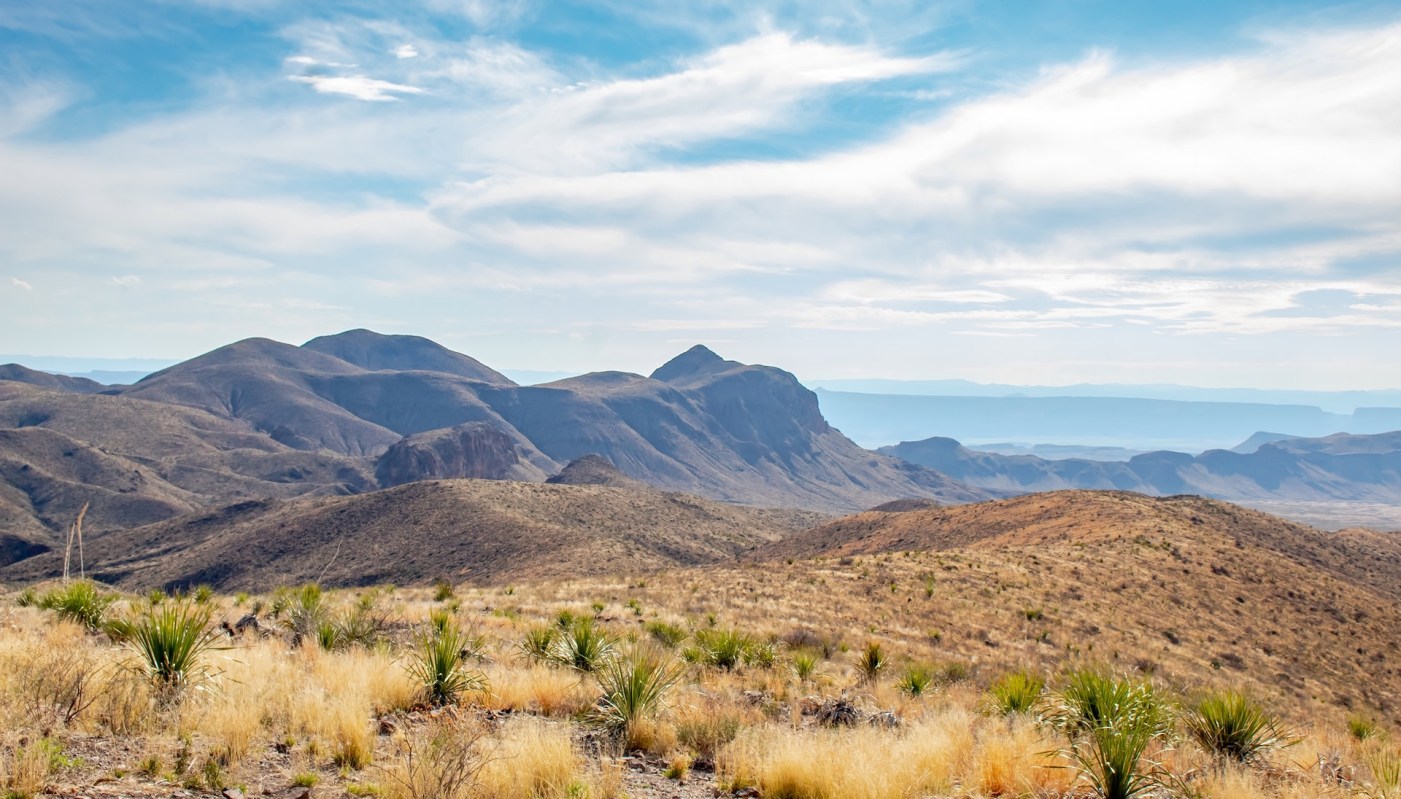
Researchers have observed a major uptick in black bears in recent years, with trail cameras documenting the animals in West Texas.
Matt Hewitt, a researcher at the Borderlands Research Institute, told NPR about his team's efforts to track the black bears. Their work helps create a better understanding of how many of these once-endangered animals have returned to the area.
Black bears used to be the primary predators in the region, but they faced existential threats leading to population decline. This was primarily caused by overdevelopment, which caused habitat loss, and overhunting, according to the Texas Parks and Wildlife Department.
Civilians have helped Hewitt and his team collect data about the bears. For example, Pam and Ken Clouse, longtime residents of Alpine, Texas, captured images of the animals with a trail cam on their property. They wanted to help preserve the bear population while encouraging education efforts about how to interact with the species.
"I don't mind the bears coming back, we don't want them wiped out, that's for sure," Pam Clouse told NPR. "You know, they were almost extinct."
When we preserve wildlife populations, we are ensuring a safer, healthier planet for everyone on Earth — human or not. This is because biodiversity — having a variety of thriving species — benefits us all by making local ecosystems more resilient and self-sufficient.
One study found that biodiversity helps human health by reducing exposure to pollutants and extreme heat. It also helps protect the economy by preserving wild spaces that we rely on for jobs, entertainment, and resources.
Human activity has been a major factor in biodiversity decline for years. In order to combat this, scientists have invested heavily in conservation efforts to bring endangered species back from the brink.
When they do rebound, it's important for experts to help inform people about how to co-exist with wildlife. In various locales where black bears have rebounded, authorities have rolled out anti-bear dumpsters and taught residents to avoid keeping food out. This helps prevent any dangerous wildlife-human interactions and keeps all living creatures safe.
"There's not a generation alive today that's had to live with [the] black bear before," Krysta Demere, a Texas Parks and Wildlife Department wildlife biologist, told NPR, further underscoring the importance of education about these animals.
TCD Picks » Quince Spotlight
💡These best-sellers from Quince deliver affordable, sustainable luxury for all




|
Do you think America does a good job of protecting its natural beauty? Click your choice to see results and speak your mind. |
 Definitely 👍
Get TCD's free newsletters for easy tips to save more, waste less, and make smarter choices — and earn up to $5,000 toward clean upgrades in TCD's exclusive Rewards Club.
Cool Picks




