


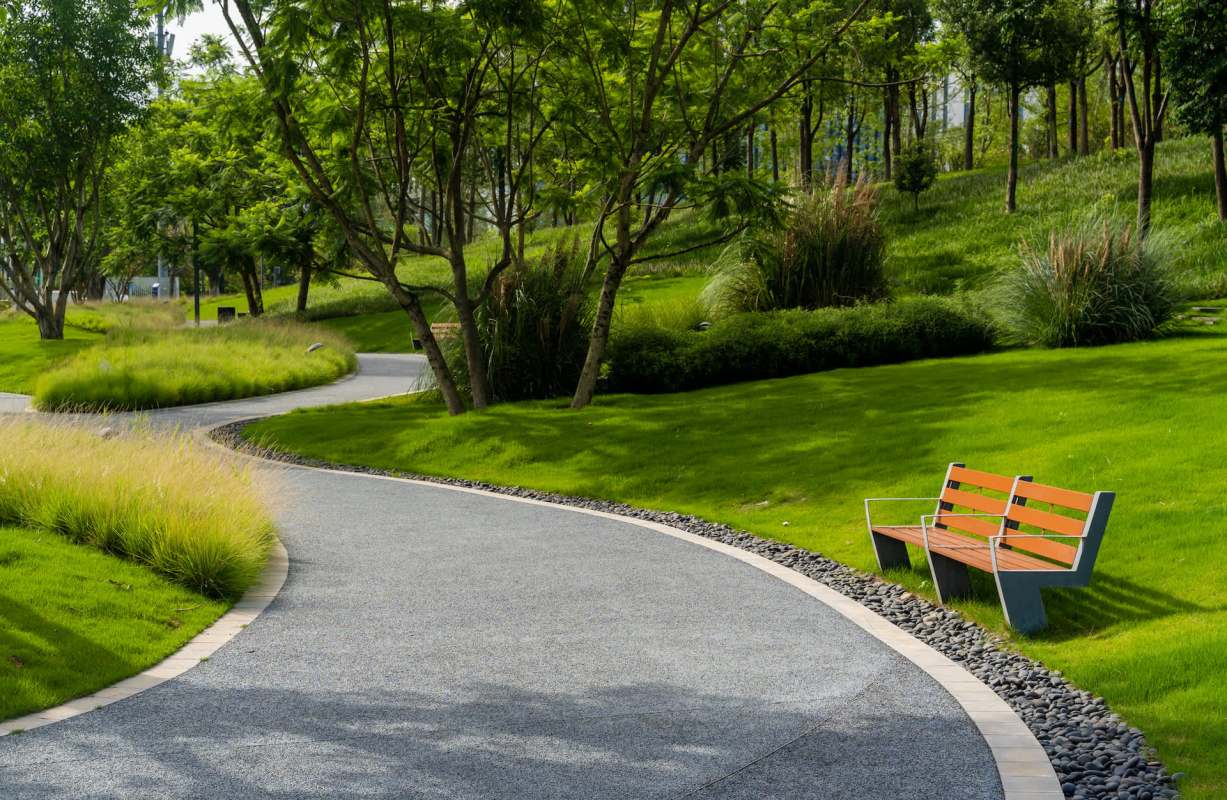
Research has shown that increasing biodiversity in cities can improve health in humans.
Myla Aronson, a Rutgers ecologist, and colleagues conducted the study that was published in the journal People and Nature.
"We found overwhelming evidence that biodiversity is good for human health and well-being," Aronson said. "These actions also reduce exposure to environmental harms such as heat and pollution, including air, light and noise."
The research involved a systematic review of more than 1,500 studies surrounding what is called biodiversity-supporting actions.
Biodiversity-supporting actions are efforts put forth toward a goal of preserving and enhancing the variety of life on the planet. They include conservation programs, maintaining the balance of ecosystems in sustainable ways, supporting native species, and creating green spaces in urban environments.
The actions that cities took to improve biodiversity, which, in turn, helped improve both physical and mental health, included planting native vegetation, reducing the use of chemical pesticides, and constructing large parks.
TCD Picks » Quince Spotlight
💡These best-sellers from Quince deliver affordable, sustainable luxury for all




People living in cities with more green space tended to be more physically active, more social, and kids showed improvement in childhood development.
Taking local action to support biodiversity is a great way to help improve the environment for the population and for the planet. Meanwhile, electing officials who prioritize environmental initiatives can support urban planning and policymaking that values the creation and use of green spaces in urban areas.
The more cities that develop and protect green spaces, the cleaner the air and the more diverse the habitat.
The study suggests that city planners should look at biodiversity as a public health strategy in addition to being an environmental goal.
"This is the first time that diverse literature has been compiled to show the large potential for co-benefits between human health and biodiversity conservation in cities," explained Aronson. "Designing and managing urban greenspaces for biodiversity will also be good for people."
|
Do you think your city has good air quality? Click your choice to see results and speak your mind. |
 Definitely 🥰
Join our free newsletter for good news and useful tips, and don't miss this cool list of easy ways to help yourself while helping the planet.







