


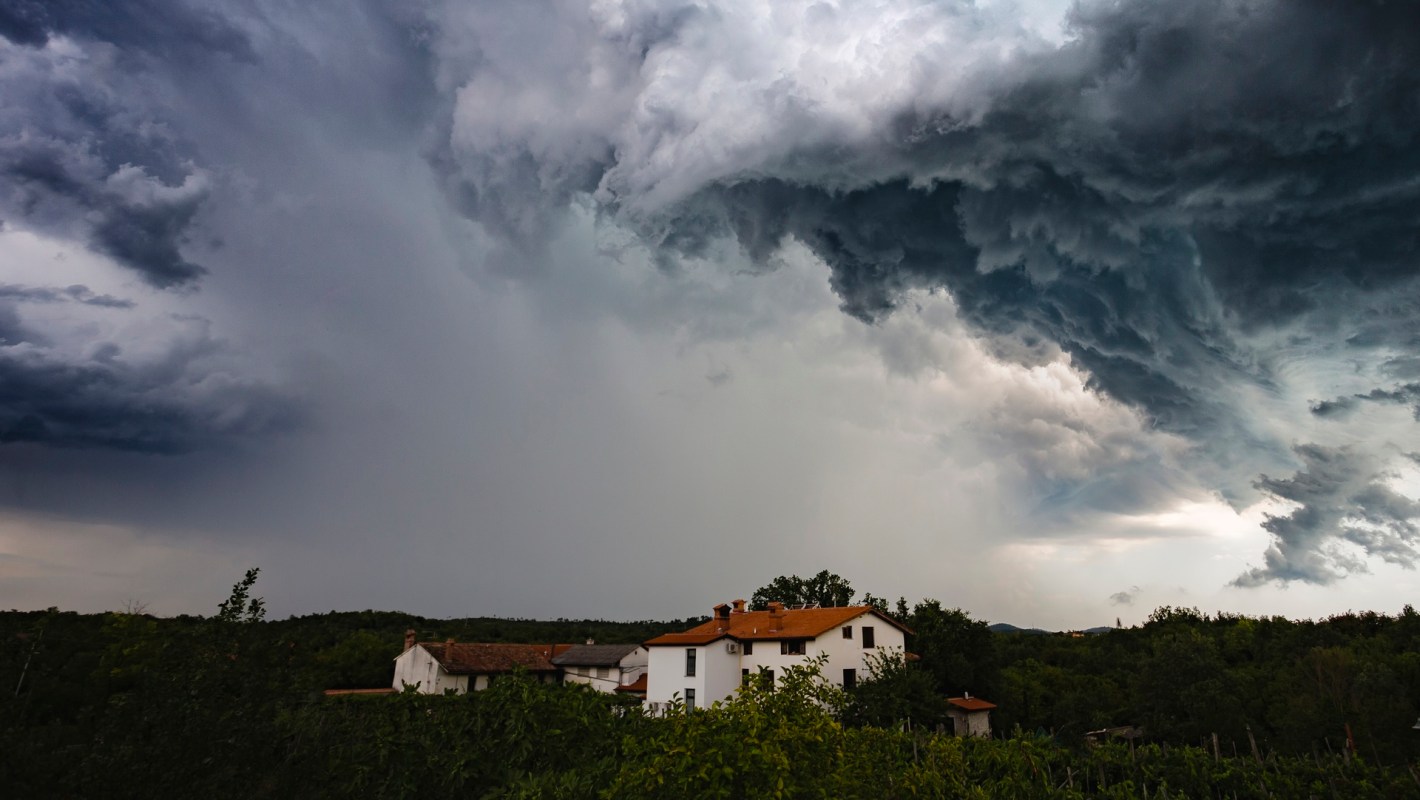
Texas occupies a unique place on the American energy landscape, something most non-Texans learned during a deadly statewide grid failure amid extreme weather in 2021.
Officially, 246 Texans died during the crisis, but experts believe as many as 814 died.
According to the Energy Information Administration, local grids connect to one of three larger regional interconnections: the Western Interconnection, the Eastern Interconnection, and, in Texas, the Electric Reliability Council of Texas Interconnection.
Texas' functional disconnection from the country's major grids was one of several factors that exacerbated the 2021 grid crisis.
Now, as Houston's KTRK recently reported, more residents of the Lone Star State are considering microgrids as a hedge against an unstable grid.
Microgrids enable the generation and storage of energy within a smaller area. Moreover, as the Department of Energy's National Renewable Energy Laboratory explains, microgrids can operate in "island mode," ensuring a stable supply of power when main grids fail.
As KTRK noted, microgrids are common in facilities like hospitals and data centers — but a community solar residential microgrid in Florida, a state where extreme weather is prevalent, ensured all 37 connected homes maintained power during a regional outage.
A KTRK anchor explained that microgrids often use renewable, clean energy sources like solar panels, providing continuous power irrespective of the broader grid's status.
"These microgrids are another way to keep the lights on, even in the harshest of conditions or times of peak demand," a reporter explained. The anchors alluded to potentially prohibitive costs to establish a fully-fledged microgrid, and KTRK advised Texans to start smaller.
Installing solar panels was one of the first steps the outlet recommended, and home solar is one of the most resilient energy options, particularly when coupled with battery backups. After Hurricane Melissa battered Jamaica, solar-powered locals became a lifeline to neighbors.
TCD Picks » Upway Spotlight
💡Upway makes it easy to find discounts of up to 60% on premium e-bike brands





|
Do you have a backup power system at your home? Click your choice to see results and speak your mind. |
 Not at all 🙅
 As electricity rates soar across the U.S., solar is booming, and The Cool Down's Solar Explorer is designed to make the switch as easy and affordable as possible. Solar panels are the ultimate home energy hack, and they can bring electricity bills down to $0 or even lower.
The Solar Explorer curates competitive bids from vetted local installers and can save homeowners up to $10,000 on new installations. As for upfront costs, the Solar Explorer offers $0 down options like Palmetto's LightReach, allowing users on a budget to lock in low rates. Another program in the Explorer, EnergySage, can further connect you with vetted local installers in many areas of the country.
TCD also has an HVAC Explorer to help people find trustworthy options for a heat pump or other bill-reducing HVAC option that suits their home.
On Reddit's r/energy, Texans raved about solar energy in a recent thread.
"Whether you're red or blue, everyone loves green," one replied.
"It's so much easier to build/deploy solar/wind/batteries in Texas," another said. "I would safely wager that they will have the first 'green grid' if you let market forces do their thing."

💰Get TCD's free newsletters for easy tips to save more, waste less, and make smarter choices — and earn up to $5,000 toward clean upgrades in TCD's exclusive Rewards Club.
Cool Picks





