


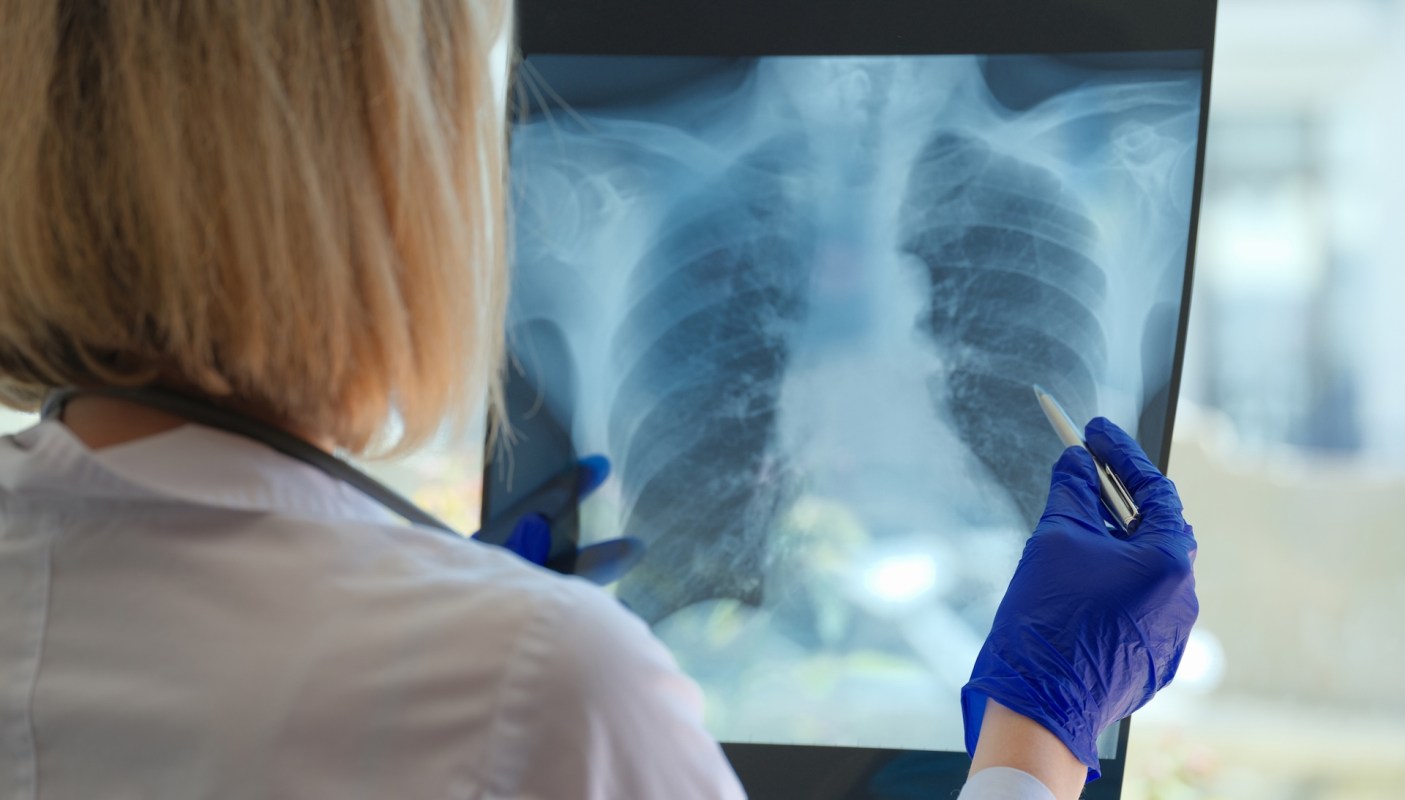
As plastic pollution continues to accumulate globally, scientists are uncovering alarming evidence that the tiniest fragments — called nanoplastics — may harm lung tissue and threaten human health.
What's happening?
Published in the journal Ecotoxicology and Environmental Safety, the study found that inhaling tiny plastic particles — called polystyrene nanoplastics or PSNPs — caused significant damage to the lung tissue of mice, igniting concern about their potential impact on humans.
Mice were exposed to small microplastic particles similar to those humans are exposed to in the environment. After exposure, researchers found that the plastic particles built up in lung tissue, causing structural abnormalities, inflammation, and stress on lung cells.
The study also showed that these particles disrupted normal chemical processes in the lungs, especially those involved in energy use and inflammation control.
Aminated PSNPs — or those with an added amino chemical component — caused more severe lung damage than regular PSNPs, suggesting that chemical coatings can make the particles "stick" to cells and cause more damage.
Lab tests on human lung cells evidenced similar harmful effects, providing insight into the potential health risks of airborne nanoplastics.
TCD Picks » Quince Spotlight
💡These best-sellers from Quince deliver affordable, sustainable luxury for all




Why are these findings important?
This study — and its alarming findings — highlight how plastic pollution and poor air quality directly harm human health.
Columbia University reports that over 400 million metric tons of plastic are produced globally every year, yet only 9% of this plastic is recycled, per the Organisation for Economic Co-operation and Development. Another 19% is incinerated, while the remaining 72% ends up in landfills or our environment.
Over time, this discarded plastic breaks down into microplastics, a larger category of tiny plastic particles that includes nanoplastics. Stanford University reports that 10 to 40 million metric tons of microplastics enter our environment each year.
These particles never truly disappear from our environment. They contaminate our water, soil, and even the air we breathe. This study contributes to a growing body of research demonstrating the harm that microscopic plastic pollution already poses to human health.
|
Do you worry about having toxic forever chemicals in your home?
Click your choice to see results and speak your mind. |
 Majorly 😥
 By highlighting the dangers of airborne nanoplastics, this study validates current global efforts to reduce plastic use, improve waste management, and develop plastic alternatives — essential steps for protecting both the climate and public health.
What's being done about nanoplastics?
Scientists and governments worldwide are just starting to quantify the threat of nanoplastics to human health and the planet.
Researchers are working on new ways to detect and measure these tiny plastic particles in air, water, and soil. But nanoplastics are incredibly small and difficult to track, making research and regulation a challenge.
Nevertheless, state, federal, and global governments are slowly starting to include nanoplastics in broader plastic pollution management.
Though scientists still have a lot to learn about nanoplastics, what we do know is concerning — and worthy of action. Reducing your plastic use can help lower both your personal exposure to nanoplastics and your contribution to environmental plastic pollution.
Consider simple yet impactful actions, such as choosing clothing made from natural fibers, skipping plastic food packaging, and using reusable bags instead of single-use plastic.
Because nanoplastics are also airborne, regular vacuuming with a HEPA air filter can help reduce their presence at home.

Join our free newsletter for weekly updates on the latest innovations improving our lives and shaping our future, and don't miss this cool list of easy ways to help yourself while helping the planet.






