


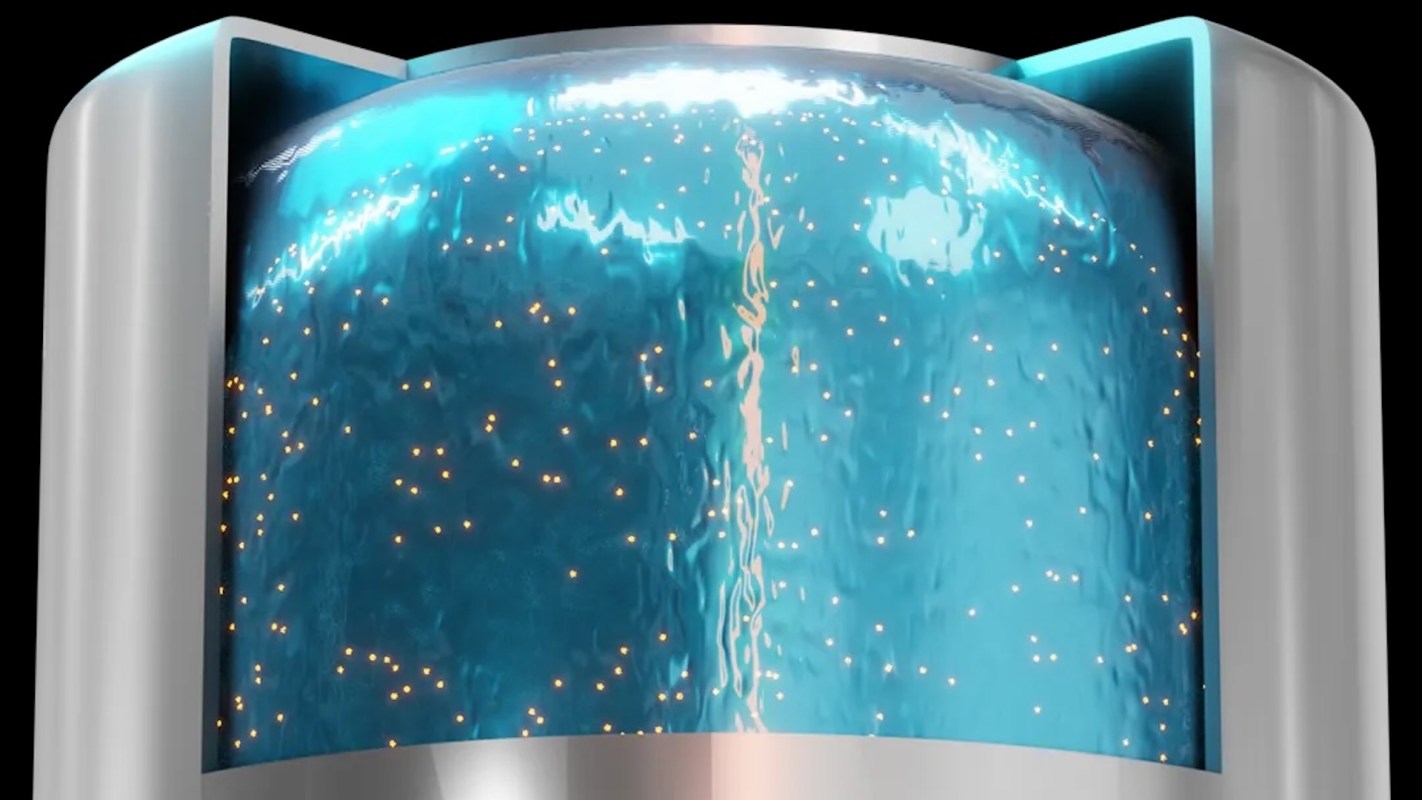
French nuclear power startup Stellaria recently secured the equivalent of $25.2 million in a fundraising round for its upcoming neutron molten salt nuclear reactor prototype, bringing the program's cumulative funding to over $36 million.
The project, known as the Stellarium, is a fourth-generation nuclear fission reactor that relies on molten salt technology for energy storage, according to EnergyNews. With the latest fundraising round, Stellaria is in a position to double its workforce and invest more into its research, all in alignment with its goal of creating its first reaction by 2029. After that, the reactor should sustain itself for at least 20 years with minimal radioactive waste — one of the challenges raised by conventional nuclear fission reactions.
Per EnergyNews, Stellaria also intends to channel some of its new funding to an industrial demonstrator designed to evaluate the reactor when it becomes operational.
Traditional methods of energy generation tend to involve fuel combustion, resulting in copious amounts of carbon pollution that warms the atmosphere, threatening resources and destabilizing weather patterns. As a result, finding and establishing an array of cleaner alternatives — such as solar power, wind power, and nuclear energy, despite some of the latter's drawbacks — is key to slowing the changing of the climate.
Though they require complex and expensive equipment to manipulate, nuclear reactions release large amounts of energy with zero carbon pollution and unparalleled efficiency. The option of nuclear energy — should it become more commercially available — can drive down energy costs for consumers while making an eco-friendly impact.
Nuclear fission does produce nuclear waste, which must be managed carefully, and wastewater from cooling also must be managed for environmental safety. Still, many experts point to how nuclear fission is still much less harmful to the environment and human health than fossil fuels — especially coal — in both the short and long terms, as long as disasters are averted.
François Breniaux of investment service Supernova anticipated that Stellarium would likely "meet the needs for stable, long-term energy pricing and high power for electro-intensive industries," per EnergyNews.
The energy output of a fission project at this scale "can meet growing demand for dispatchable, low-carbon electricity at both European and international levels," Giuseppe Sangiovanni, co-founder of Exergon, noted.
|
Which of these factors would most effectively convince you to support nuclear energy projects in your area? Click your choice to see results and speak your mind. |
 Lower energy bills 💸
Join our free newsletter for weekly updates on the latest innovations improving our lives and shaping our future, and don't miss this cool list of easy ways to help yourself while helping the planet.
Cool Picks





