A homeowner's plan to restore an overgrown patch of land on their property sparked a wave of advice online.
Posted in r/NativePlantGardening, the original poster shared how they wanted to remove six invasive species from under a centuries-old Norway maple.
"The ground is quite bare due to density of these invasive undergrowth and the tree shade cover. What do you recommend I plant for ground cover to prevent soil erosion," they wrote in the post's title.

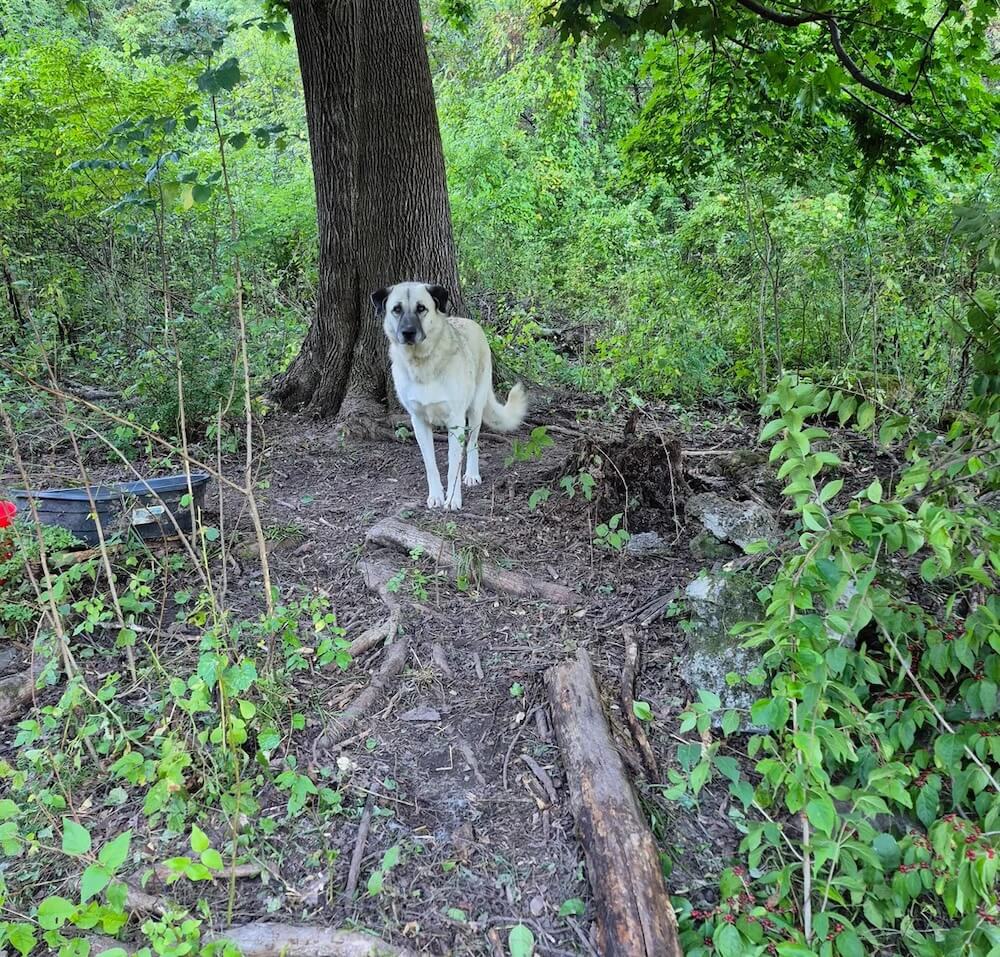
The pictures show many small plants underneath the Norway maple. There are a few goats in the first picture and a dog in the second as well.
"If you live where I live, I wouldn't care how old that Norway maple is, I'd take a chainsaw to it immediately because it's invasive as hell where I am," a commenter explained.
"I'm sorry, but please think about removing this tree. Nothing really ever grows well under a Norway maple," echoed another user.
TCD Picks » Quince Spotlight
💡These best-sellers from Quince deliver affordable, sustainable luxury for all




According to the Brandywine Conservancy, native understory plants can't compete with the fast-growing Norway maple. Apart from displacing other native plants, there's also less species diversity underneath this tree compared to native maples.
Invasive plants pose serious threats to local ecosystems. They compete with native flora for resources, degrade soil health, and impact vital ecosystem services.
Invasive species, whether they're plants or animals, can cause the extinction of native species and alter habitats. One way invasive species can do this is by increasing the occurrence of erosion, which affects water quality, according to Understanding Global Change.
Per the U.S. Geological Survey, they decimate crops, transmit diseases, and increase fire vulnerability. These impacts eventually affect economies and disrupt ecosystems.
|
What's the hardest thing about taking care of your yard? Click your choice to see results and speak your mind. |
 Mowing the lawn 🏡
 For homeowners, managing invasive plants can be costly and time-consuming. These plants tend to grow out of control and damage property.
An alternative is a native plant lawn. Native plants help prevent soil erosion because of their deep roots that hold soil. They're relatively low maintenance and can reduce yard equipment noise and harmful pollution, explained the National Audubon Society.
They also create a healthier ecosystem for pollinators. This ultimately benefits humans because pollinators protect the food supply.
In fact, according to the World Economic Forum, pollinators like bees are crucial in 35% of the world's crop production. 75% of crops that produce fruits or seeds also depend on pollinators to a degree.
Cultivating native plants benefits homeowners, too. Replacing traditional turf with clover, buffalo grass, xeriscaping, or other region-appropriate plants can save homeowners time, reduce maintenance costs, and cut water use. Even partial lawn conversions can make a difference.
"Cut that invasive Norway Maple, and then the world is your oyster," joked a Redditor.
"To prevent erosion, you can look into an annual cover crop. A lot of large native restoration projects use one to protect the soil before new natives come in," suggested another.

Join our free newsletter for easy tips to save more and waste less, and don't miss this cool list of easy ways to help yourself while helping the planet.