


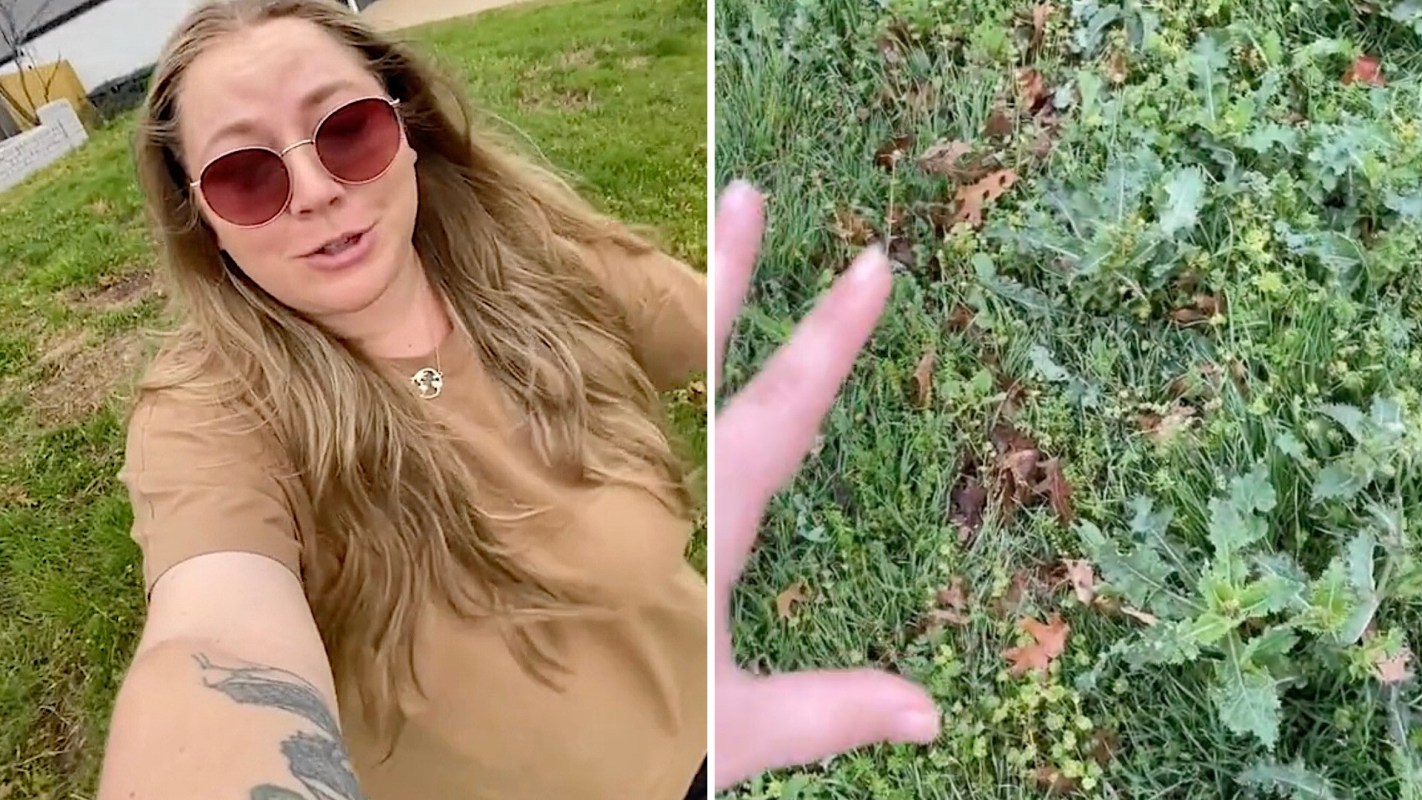
A new homeowner with hopes of creating a certified wildlife habitat found their yard to be taken over by invasive species.
Anti-consumption and pro-pollinator Shelbizleee (@shelbizleee) took her viewers on a tour to point out the different species, including spiny sowthistle, chickweed, henbit dead nettle, and shepherd's purse.
@shelbizleee Replying to @radiosyncratic I'm not an expert in identifying! But I used texasinvasives.org & iNaturalist! I'm low-key starting to this the people who used to live here planted these on purpose! How else are they completely taking over the yard?? #invasivespecies #invasivespeciesremoval #invasiveplants #austintx #sustainableliving #nativeplants #ecolawns #ihategrass ♬ original sound - Shelbizleee
Spiny sowthistle, while edible and containing medicinal properties, has rhizomes — a subterranean root system that grows horizontally with the ability to grow new plants. Chickweed, while not considered invasive in all regions of North America, is not native to Texas, where the OP lives, and can outcompete nearby plants. Henbit is another pesky plant that continuously ends up in yards, fooling people with its eye-catching purple blooms.
In the caption, the TikToker made it clear that she's not an expert in identifying invasive plants, writing: "I used texasinvasives.org & iNaturalist." She also explained that in order to plant natives and create a certified wildlife habitat, all of the invasives would need to be pulled out first. That would not be an easy task, but it would be well worth the effort for the health of the ecosystem.
Invasive species spread rapidly, displacing native species by using up limited resources and altering habitats. Once they take root, it can take years to fully eradicate. This is why gardening with native plants is so important.
Rewilding your yard allows nature to do most of the work, taking the labor and financial stress off your shoulders. There's no need for chemical-filled fertilizers, pesticides, or herbicides when you have a yard that naturally thrives with a fraction of the water usage.
Natural lawns, most importantly, attract pollinators who are responsible for one out of every three bites we take, per the Environmental Protection Agency. We need native plants to survive. So if you're thinking about upgrading your landscaping or making the transition to a native lawn, consider a clover lawn, tapestry lawn, or xeriscaping, depending on what you want and the climate you live in. Vegetable gardens are another great addition that comes with yummy rewards.
The comments on the invasive plant-ridden yard were aplenty, full of all kinds of tips and advice on how to eradicate them.
"You can make so much plant medicine, dried herbs, and food with the scraps! DO NOT TRASH," a comment advised.
"Thanks for the info on the henbit deadnettle... it's all over the place here, even if it is edible!" a TikToker wrote.
TCD Picks » Quince Spotlight
💡These best-sellers from Quince deliver affordable, sustainable luxury for all




"That's some grade-A cultivation!" another exclaimed.
|
What's the hardest thing about taking care of your yard? Click your choice to see results and speak your mind. |
 Mowing the lawn 🏡
Join our free newsletter for easy tips to save more and waste less, and don't miss this cool list of easy ways to help yourself while helping the planet.
Cool Picks






