


A homeowner struggling with an invasive garden plant turned to the internet for guidance.
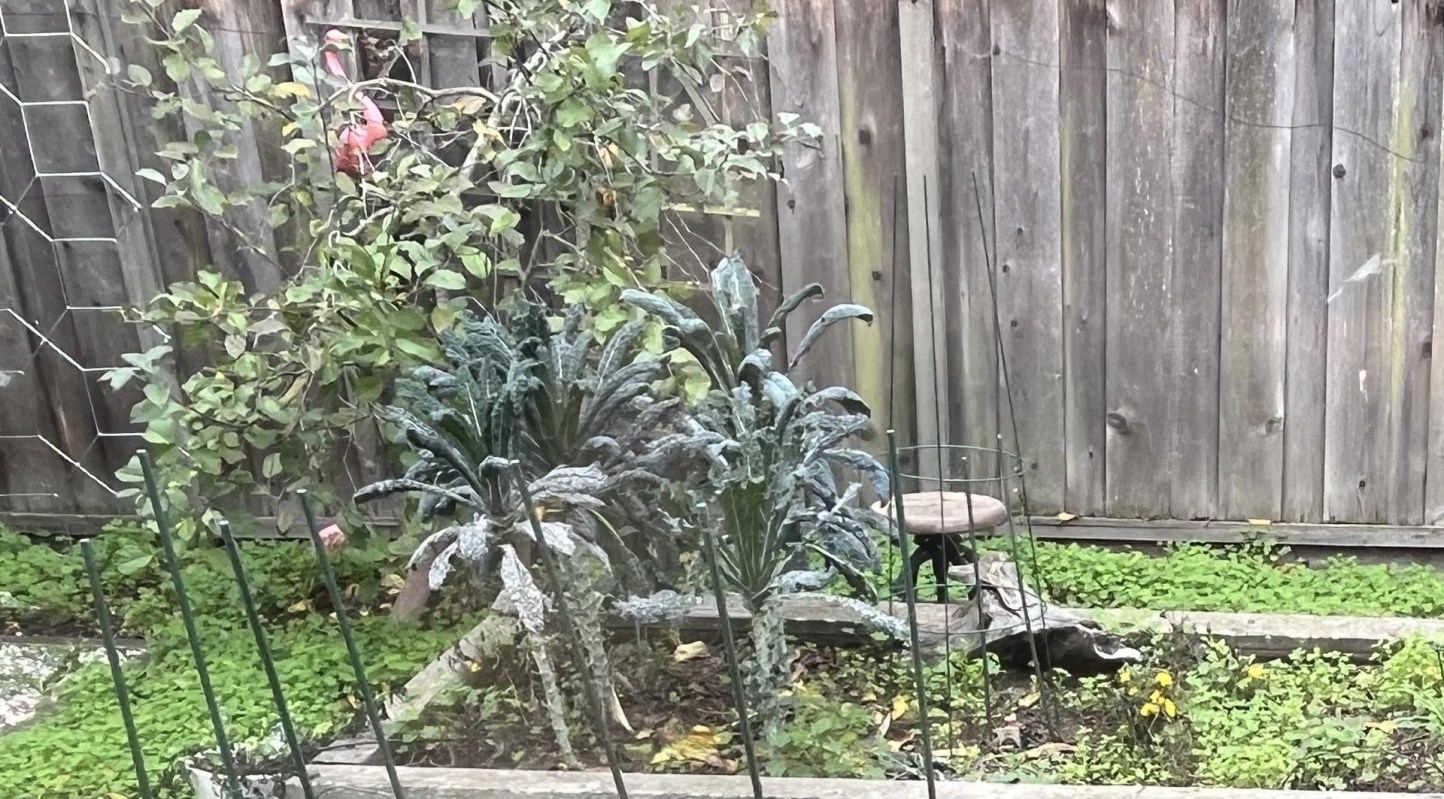
In the r/bayarea subreddit, the OP posted a photo of their garden beds, explaining that "literally every square foot of my garden and front yard has oxalis aka sour-grass."
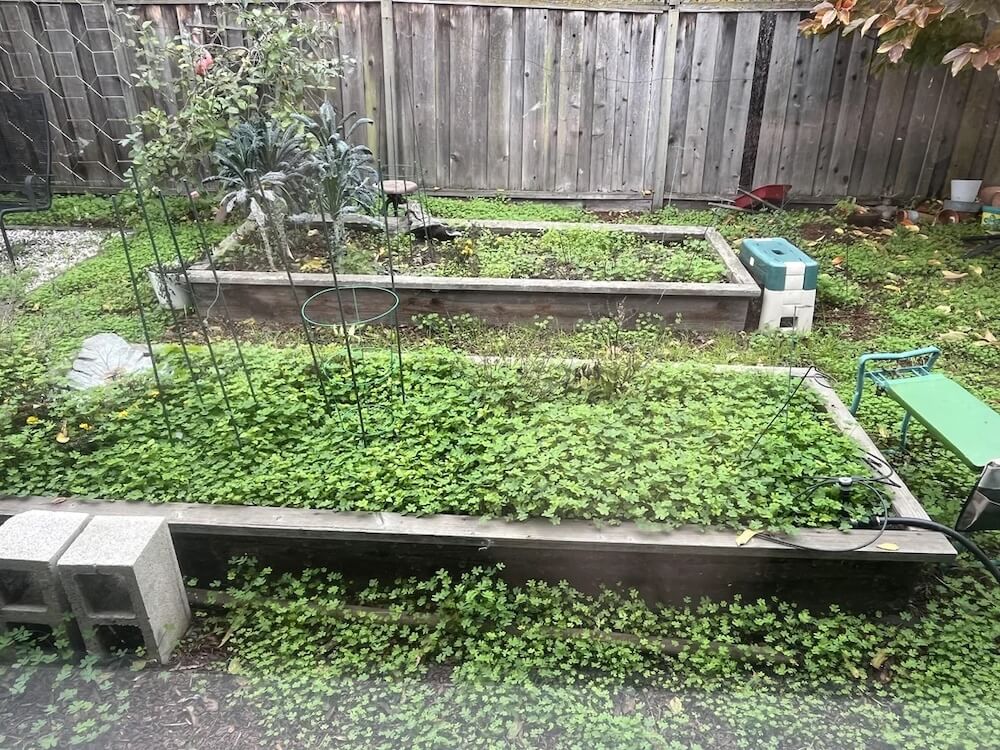
They added that they regularly try to remove it, but "every year it comes back even stronger."
Oxalis is a common invasive species in California. It was introduced to the state as an ornamental plant originating from South Africa, but it has spread beyond yards and now invades coastal dunes, according to the Invasive Plant Atlas.
While the flowers, which are yellow and often compared to buttercups in their appearance, don't produce seeds, oxalis is difficult to control because of the persistent bulbs.
Invasive species like oxalis can be a headache for homeowners to remove, not unlike ivy or bamboo, due to their rapid spread and competition with native plants. They often result in more work and require more resources like water, fertilizer, and pesticides to maintain, which can become expensive over time.
Native species require far less maintenance and fewer resources because they're well suited to their natural environments. Using fewer heavy chemicals results in a healthier garden and yard that is beneficial to both the ecosystem at large and the one immediately surrounding the home.
They're also vital in supporting pollinators, like bees, butterflies, and birds, who play a role in fertilizing 80% of the world's flowering plants, according to the California Department of Fish and Wildlife. Pollinators support biodiversity and the world's food supply for thousands of crops, which is worth an estimated $217 billion to the global economy.
People in the comments had helpful suggestions for the homeowner to keep the invasive plant from coming back.
One recommended smothering the plants with cardboard and mulch, a technique often known as the "lasagna method."
TCD Picks » Quince Spotlight
💡These best-sellers from Quince deliver affordable, sustainable luxury for all




|
What's the hardest thing about taking care of your yard? Click your choice to see results and speak your mind. |
 Mowing the lawn 🏡
 "I got rid of most of it in my yard this way. Any that pop up are easier to pull because they're spindly and weak from trying to push through," they wrote.
Another noted that the OP needs to ensure they remove the plants early before bulbs form.
"I find that gently lifting the soil with a digging fork helps with getting the entire plant," they wrote, adding that persistence is key.

Get TCD's free newsletters for easy tips to save more, waste less, and make smarter choices — and earn up to $5,000 toward clean upgrades in TCD's exclusive Rewards Club.
Cool Picks






