


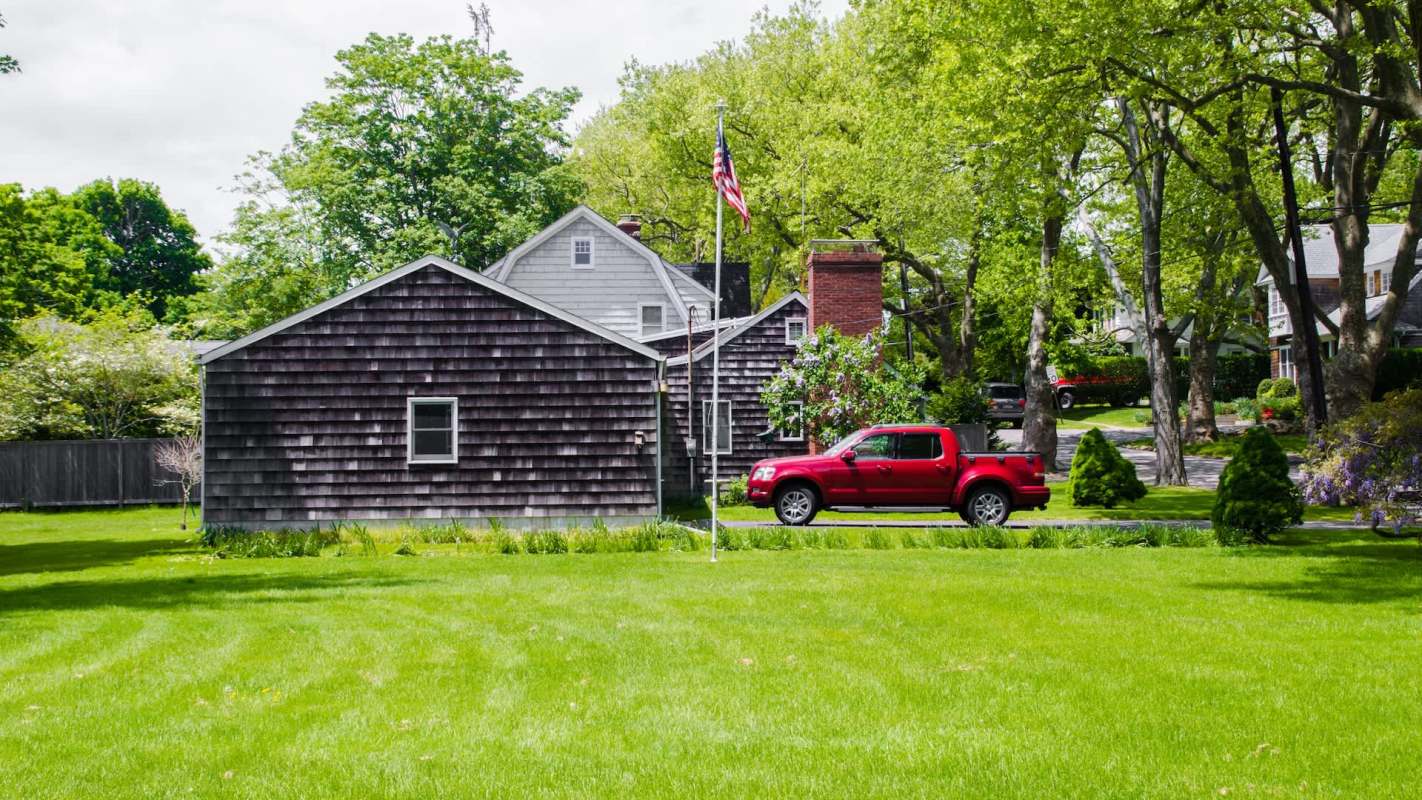
For decades, beautiful green lawns have been a status symbol in the Hamptons. However, that could change in the near future.
What's happening?
The fertilizers and pesticides that keep many Hampton lawns lush and picture-perfect have been found to poison the local water supply, according to The Wall Street Journal.
Nutrient runoff from these chemicals is fueling toxic algae blooms across hundreds of square miles of surface water and shoreline. This is killing fish, sickening pets, and endangering marine ecosystems.
While evidence of the harmful effects of these chemicals continues to mount, many homeowners in the Hamptons reportedly continue to use them.
Environmental experts say the Hamptonians are uniquely vulnerable due to porous soils and limited tidal flushing in the local bays. This means the chemicals are getting trapped more easily than they would otherwise.
"It's death by a thousand cuts," Bob DeLuca of Group for the East End told The Wall Street Journal, describing the cumulative effect of residents' lawn care practices.
Why are chemically enhanced lawns important?
Fertilizers used in landscaping and agriculture contribute up to 25% of the nitrogen pollution driving harmful algae blooms, per The Wall Street Journal.
These blooms choke marine habitats, deplete oxygen, and devastate coastal ecosystems.
The risks aren't just to the environment. Polluted ponds have already killed dogs and other pets. Contaminated runoff continues to threaten the Hamptons' waters, which are central to the region's economy.
Traditional landscaping with chemicals accelerates this damage, creates long-term dependence on chemical treatments, and weakens soil health and ecosystems.
TCD Picks » Quince Spotlight
💡These best-sellers from Quince deliver affordable, sustainable luxury for all




|
Do you worry about having toxic forever chemicals in your home?
Click your choice to see results and speak your mind. |
 Majorly 😥
 What's being done about chemically enhanced lawns?
Some towns are beginning to push back. East Hampton is rolling out a ban on pesticides and herbicides for municipal properties. Suffolk County is already restricting fertilizer use during colder months.
Real estate transfer tax funds are also being channeled into water-quality initiatives like bioswales and rain gardens that capture runoff.
On the private side, more and more wealthy homeowners are waking up to the issue. Some are even experimenting with natural landscaping, which is highly recommended to preserve a lawn's natural pollinators and eliminate chemicals.
Designers like Tony Piazza are restoring ecological balance through soil remediation, invasive species removal, native planting, and composting.
Still, for many homeowners, the lure of quick chemical fixes remains strong.
As Vanessa Gordon, publisher of a local magazine, put it to WSJ: "People don't realize what it entails to maintain these properties."

Join our free newsletter for easy tips to save more and waste less, and don't miss this cool list of easy ways to help yourself while helping the planet.
Cool Picks




