


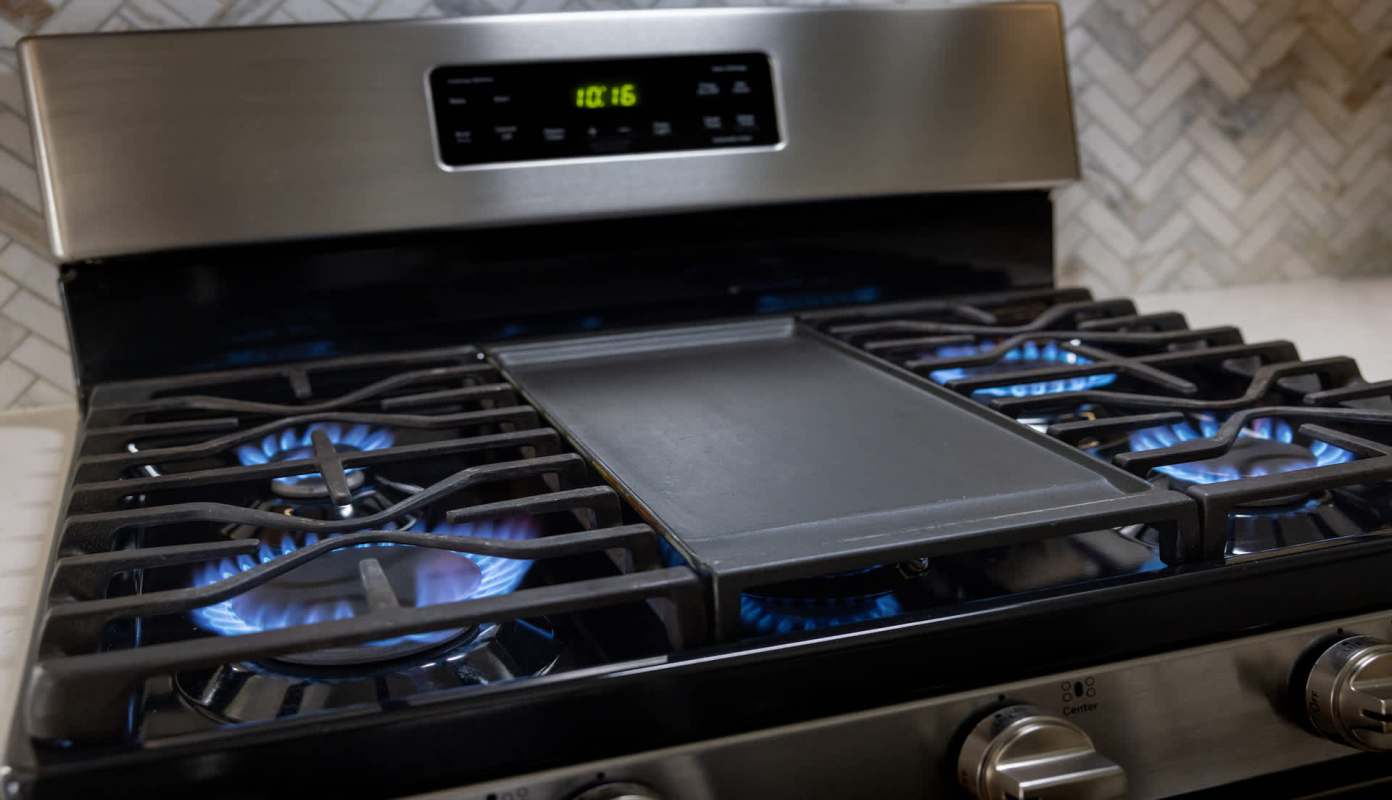
Gas stoves may be a kitchen staple, but the Pasadena Public Health Department said they come with a hidden cost: polluted indoor air. Its latest report, as detailed in Pasadena Now, highlights how gas stoves release harmful pollutants that can linger long after a meal is made.
"When gas is burned, air pollutants such as nitrogen dioxide ('NO2'), carbon monoxide ('CO'), benzene, and formaldehyde are released," the report explained. "These air pollutants can spread through a home, including bedrooms and other areas beyond the kitchen."
And the dangers aren't limited to mealtime. As Stanford professor Rob Jackson noted, per Pasadena Now: "Benzene produced by gas and propane stoves also migrated throughout homes, in some cases elevating bedroom benzene concentrations above chronic health benchmarks for hours after the stove was turned off."
This raises the risk of serious respiratory problems. Children, older adults, and people with preexisting conditions face the greatest danger. Short-term exposure can worsen asthma and cause symptoms such as coughing, wheezing, and shortness of breath. Over time, the health toll is even heavier. Long-term exposure "may contribute to asthma development, especially in children," according to the city's findings.
The most effective way to cut these risks is by replacing a gas stove with an electric or induction model. One study found that swapping out gas can reduce nitrogen dioxide levels by 51% in kitchens and 42% in bedrooms.
TCD Picks » Induction Cooking
💡Discover the induction option that’s just right for your needs and your home




To encourage residents to upgrade, the Pasadena Water & Power Department is offering rebates of up to $420. That local program can be combined with federal incentives to sweeten the deal. Thanks to the Inflation Reduction Act, households can claim up to $840 toward a new induction stove.
While the rebates for induction stoves remain available, other home energy credits — including those for solar panels and certain appliance upgrades — are set to expire at the end of 2025. Experts recommend using these programs while they last, since waiting could mean missing out on thousands of dollars in support for clean energy improvements.
Beyond healthier air, induction stoves bring everyday benefits. They boil water in seconds, use less energy than gas, and keep kitchens cooler since the burners only heat pots and pans directly. Over time, the savings on utility bills add up, making induction both a safer and more cost-effective option. For anyone not ready for a full remodel, single-plug-in induction burners are a budget-friendly option starting at around $50.
And for those who still rely on gas, the focus is on ventilation. Using a range hood that vents outdoors can reduce pollutants by as much as 95%, according to the guidelines from Pasadena Public Health. Opening windows while cooking and running air purifiers with HEPA and carbon filters can also make a noticeable difference.
Save $10,000 on solar panels without even sharing your phone number Want to go solar but not sure who to trust? EnergySage has your back with free and transparent quotes from fully vetted providers in your area. To get started, just answer a few questions about your home — no phone number required. Within a day or two, EnergySage will email you the best options for your needs, and their expert advisers can help you compare quotes and pick a winner. Solar panels can save you more than $50k over their 25-year lifespan, and EnergySage can help you save as much as $10k on installation. Which begs the question — isn't that worth an email or two? |

|
Do you worry about the quality of the air inside your home?
Click your choice to see results and speak your mind. |
 Yes — often 😬
Join our free newsletter for easy tips to save more and waste less, and don't miss this cool list of easy ways to help yourself while helping the planet.
Cool Picks






