If you've been considering a switch to money-saving, environmentally friendly home improvements, time is running out. Soon, the federal tax credits that have made clean energy upgrades affordable will disappear by the end of this year.
What's happening?
As EnergySage reports, several consumer tax credits for solar, heat pump systems, electric vehicles, and more are being cut at the end of the year due to President Trump's "Big Beautiful Bill," which was signed into law on July 4.
The cuts are happening as part of a broader effort to reduce federal spending and streamline government incentives. Supporters argue it could be a good thing by encouraging innovation in the private sector and shifting the market toward self-sustaining clean energy solutions without long-term government dependency.
However, the tax credits were originally scheduled to last for at least another decade, instead of ending after Dec. 31. The sudden nature of these cuts has left homeowners rushing to make last-minute energy-efficient upgrades before the financial benefits disappear.
Crushed by your bills? See instant solar savings from vetted installers in just a few clicks With energy prices through the roof, there's never been a better time to go solar — and EasyHome can help you find the best prices from the best installers in your area. EasyHome takes the guesswork and headaches out of energy upgrades by showing you estimated savings from a network of vetted local partners. To get started, just enter your ZIP and share a few details about your home — seeing your estimate is really that easy. |

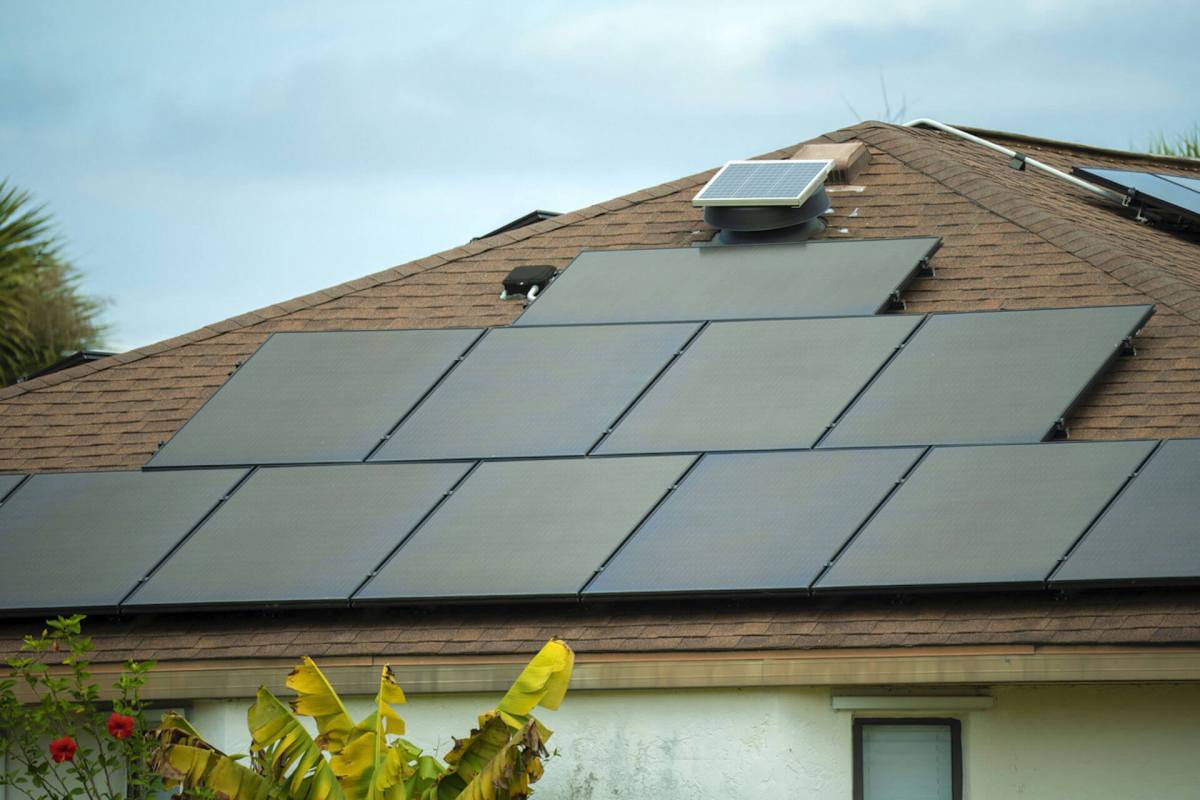
The impending cuts to solar installations are one of the main cuts on the bill that have new homeowners worried. Installing rooftop solar panels is a great way to slash monthly energy bills, with some homeowners reporting that their bills were reduced to $0. Switching to solar also significantly reduces carbon emissions by replacing electricity from dirty energy sources with clean, renewable energy.
Why are these cuts important?
These tax credit cuts reduce the financial incentives that have made energy-efficient home upgrades, like solar panels, more affordable and accessible to millions of homeowners.
Without them, the upfront cost of going green increases significantly, potentially slowing adoption and stalling progress toward climate and energy goals.
The fallout of these cuts will likely increase homes running on traditional dirty-energy-based sources, leading to higher carbon emissions, greater strain on the power grid, and a missed opportunity to build a cleaner, more resilient energy future.
What's being done about these cuts?
With the clock ticking on these federal tax credits, now is the time to act to ensure you maximize your savings. EnergySage offers a free, extremely helpful tool to compare local solar installers, ensuring you get the best deal. The average person who uses this tool can get nearly $10,000 in incentives for solar purchases and installations.
EnergySage also offers a helpful mapping tool that shows the average cost of a home solar panel system on a state-by-state level. It also provides useful details on solar panel incentives for each state.
By taking advantage of all of EnergySage's free services, you can get the best price for rooftop solar panels with all of the possible incentives before it's too late.
|
Should the government continue to give tax incentives for energy-efficient home upgrades? Click your choice to see results and speak your mind. |
 Absolutely 💯

Join our free newsletter for easy tips to save more and waste less, and don't miss this cool list of easy ways to help yourself while helping the planet.
More From EnergySage
💡Go deep on the latest news and trends shaping the residential solar landscape