A post in r/gardening sparked pity — and some bad memories — over bamboo.
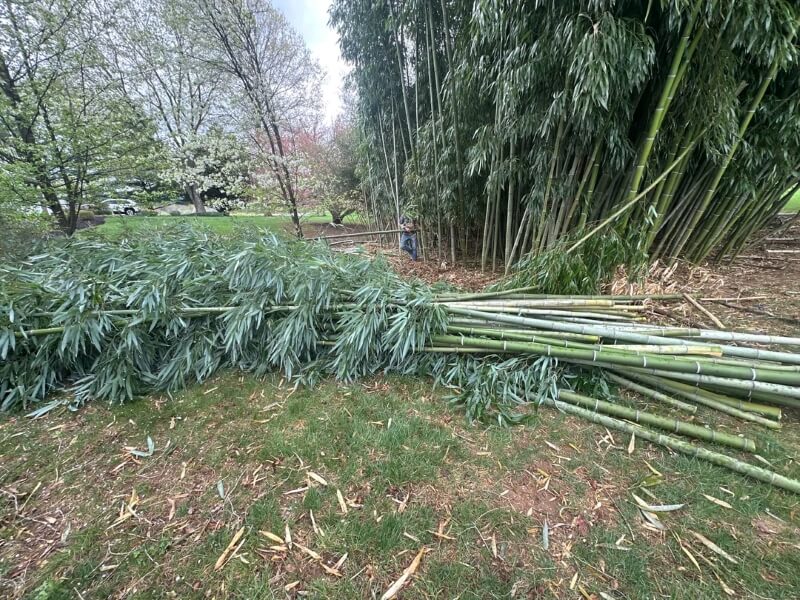
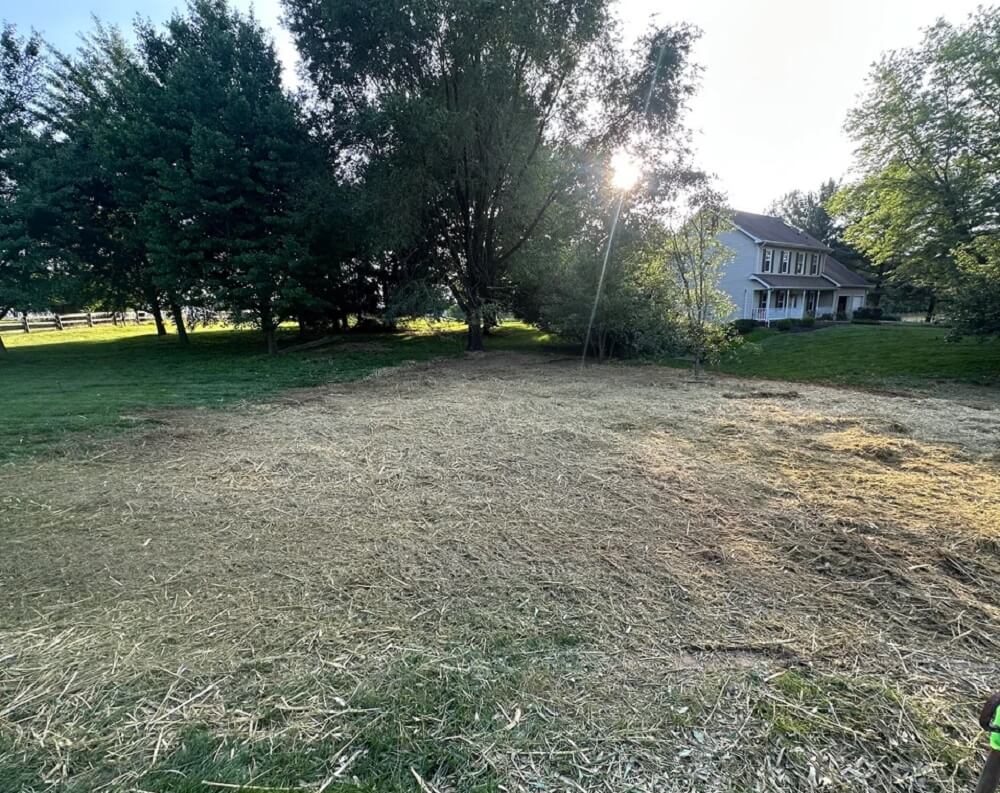
"My father in law and I cut down nearly an acre of bamboo by hand over the last two months," the original poster wrote, sharing progressive photos of an enormous bamboo forest, gradually reducing in size.
They added: "If any of you are considering planting bamboo, please don't."
Commenters were well-versed in the dangers of the highly invasive species, which is notoriously difficult to eradicate. "Won't be the last time you do that if that's all you did," one person said grimly. "Not even the last time this year."
Another commenter agreed. "Until you dig up ALL the roots you are not done with it," they warned.
The OP acknowledged the scale of the issue, explaining that they would either exhaust the root system over time with mowing and trimming — an endeavor that could easily take a decade — or simply excavate it, which they estimated would cost at least $5,000.
"Bamboo is impossibly invasive, and very resilient," another commenter sympathized. "I had to work so hard to try and get rid of ours."
Unfortunately, not only does bamboo take over an entire yard with ease, but it also expands beyond the natural landscape.
Bamboo has been known to shoot up through cement floors and burst through walls; it can destroy plumbing, sidewalks, and even cars faster than you can say "invasive." In one case, the damages totaled over $100,000.
But while complete eradication is incredibly difficult, time-consuming, and expensive, it is possible. And after the bamboo is gone, installing a rich landscape of native plants is an excellent way to ensure that no space remains for other invasive species.
TCD Picks » Upway Spotlight
💡Upway makes it easy to find discounts of up to 60% on premium e-bike brands





|
What's the hardest thing about taking care of your yard? Click your choice to see results and speak your mind. |
 Mowing the lawn 🏡
 Additionally, rewilding a yard is an excellent way to support local pollinators, which in turn form the basis of a healthy food web. Native plants require significantly less maintenance and water than grass, making native yards far more affordable and easier to care for as well.
You can get started by looking up native species in your area, which is incredibly easy to do with a free tool like this one from the National Wildlife Federation.

Join our free newsletter for easy tips to save more and waste less, and don't miss this cool list of easy ways to help yourself while helping the planet.
Cool Picks