


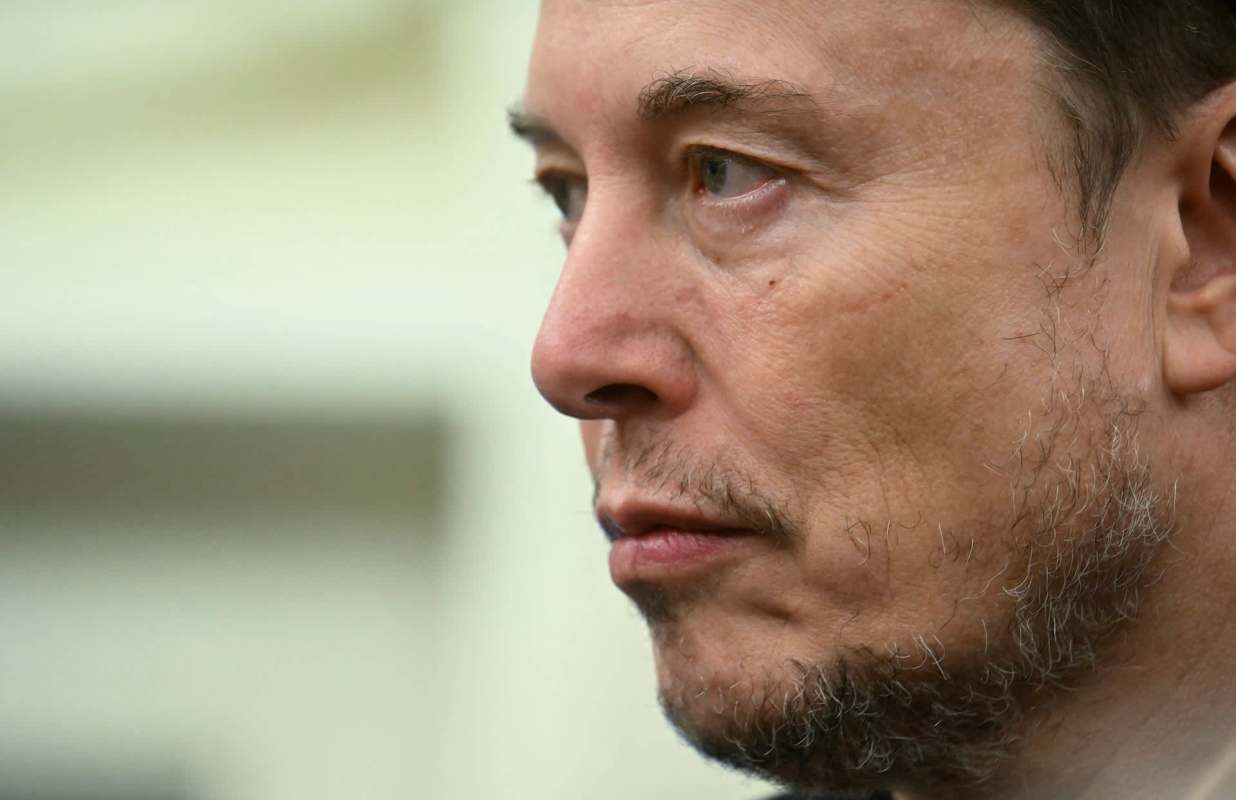
Tesla's third-quarter earnings call left investors perplexed, CNBC reported, after CEO Elon Musk sidestepped the electric vehicle manufacturer's fundamentals to discuss robots.
What's happening?
After the closing bell on Oct. 22, Tesla's Q3 earnings call kicked off.
For publicly traded companies like Tesla, earnings calls are quarterly conferences during which a company's principal figures disclose financial performance, strategies, and other matters related to the firm's operations and cash flow.
It's no secret that, after several years of consumer loyalty and profitability, the once-beloved Tesla has seen its sales suffer through a sustained, global slump for much of 2025.
Musk is objectively a major factor in the brand's stumbles, leading an established Tesla stock booster to surmise that the brand damage inflicted by the CEO's then-recent actions and statements was beyond fixing.
However, Tesla's Board of Directors repeatedly and publicly signaled its support for Musk, offering him a massive pay package and lauding his vision as critical to the brand's continued success.
TCD Picks » Quince Spotlight
💡These best-sellers from Quince deliver affordable, sustainable luxury for all




If investors or the Board anticipated valuable feedback from Musk on salvaging the brand during the Oct. 22 call, they were likely disappointed. Musk "said nothing about demand for the company's electric vehicles," according to CNBC, instead focusing on robots and Robotaxis.
Musk first introduced a humanoid robot dubbed Optimus at a 2021 conference. Four years on, Optimus still isn't market-ready, but Tesla's CEO seemed convinced it had a future in medicine.
"Optimus will be an incredible surgeon," Musk began, before claiming that automation will somehow "actually create a world where there is no poverty, where everyone has access to the finest medical care."
Why is this important?
CNBC is a staid financial publication not prone to colorful reporting, but its coverage of Musk's remarks during Tesla's Q3 call encapsulated how little it served the brand's investors.
|
Do you worry about robots taking away our jobs?
Click your choice to see results and speak your mind. |
 Absolutely 💯
 The outlet focused in part on Tesla's long-promised Robotaxis.
When Robotaxis finally debuted over the summer after years of hype, the rollout was both limited and beset by technical issues, and CNBC's skepticism was both evident and backed up by real-world developments.
"But while Alphabet's Waymo is aggressively entering new markets … and Baidu's Apollo Go is taking off in China and elsewhere, Tesla is still limited to a few pilot projects," the outlet said of Tesla's shaky Robotaxi showing.
Tesla once dominated the EV space, but in addition to sales fallout largely attributed to Musk in 2025, the automaker now has a string of uptrending rivals with which to compete.
Making matters worse was the fact that while Musk didn't meaningfully address Tesla's financial future, he found time to make a case for his controversial pay package.
What's being done about it?
As CNBC observed, Tesla's CEO didn't seem too invested in driving EV adoption, which, ironically, is still Tesla's primary retail market and one that has continued to expand worldwide, even as the company's market share has shrunk.
A shareholder vote on Musk's proposed pay is slated for Nov. 6, and investors will have the opportunity to weigh in on his performance by voting for or against the proposal.

Join our free newsletter for good news and useful tips, and don't miss this cool list of easy ways to help yourself while helping the planet.






