


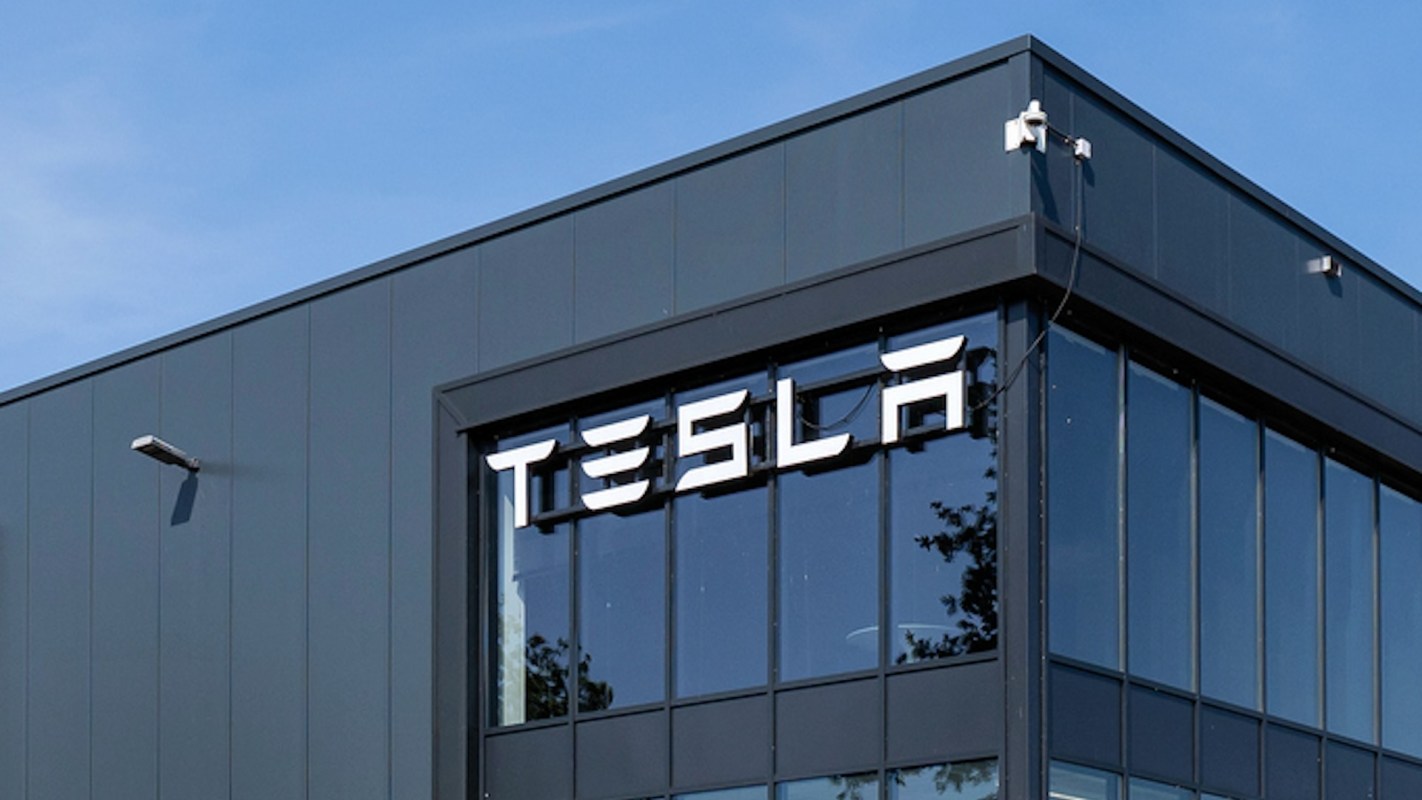
Tesla's efforts to make its long-promised Robotaxis a reality have yielded uneven results, to put it mildly, and a new Electrek report indicated that the electric vehicle manufacturer concealed information about crashes.
What's happening?
In 2019, Musk famously predicted that by 2020, no fewer than 1 million Tesla Robotaxis would be ferrying riders across the United States.
Months turned into years, and by the time Musk suggested Tesla Robotaxis would debut last June, the public had become skeptical.
On June 22, Tesla hosted a limited, invite-only Robotaxi launch in Austin, Texas, giving the public its first glimpse of what it said was autonomous ride-hailing. Immediately, user-generated clips of Robotaxi glitches began circulating, showing the EVs struggling with basic road features like intersections.
By July 6, video of a Robotaxi reportedly crashing into a parked vehicle had surfaced. In September, three Robotaxi crashes across a scant 7,000 miles of service had been documented, a number that had risen to eight by January.
According to Electrek, Tesla disclosed five additional crashes that occurred in December and January and revised an earlier report, bringing the total number of Robotaxi collisions to 14.
Why is this concerning?
Electrek observed that Tesla "quietly upgraded" the details of a July Robotaxi crash, which was originally recorded as causing "property damage only."
In actuality, an individual required hospitalization.
Autonomous driving has been a cornerstone of Musk's vision for Tesla for years, and the EV maker's apparent inability to introduce such features — coupled with recent allegations that Waymo utilized human operators — could further undermine trust in the brand.
Tesla had a rocky 2025, with widespread pushback that depressed sales and damaged the auto manufacturer's overall public standing.
TCD Picks » Upway Spotlight
💡Upway makes it easy to find discounts of up to 60% on premium e-bike brands
|
What's the most you'd pay per month to put solar panels on your roof if there was no down payment?
Click your choice to see results and speak your mind. |
 $200 or more 💰
 Electrek's coverage was based not on Tesla's decision to disclose data but rather on the National Highway Traffic Safety Administration's standing general order incident report database for automated driving systems, raising concerns about transparency.
One commenter questioned Tesla's decision to replace ultrasonic sensors with Tesla Vision, but their feedback showed how trust in the brand had waned precipitously, which could undermine broader EV adoption.
"It's hard to know what's really going on since they redact the narrative, but the number of low speed accidents with stationary objects is concerning. I will never understand why they got rid of ultrasonic sensors," they remarked.
What's being done about it?
Ultimately, drivers looking to make their next car an EV are no longer as limited to the Tesla brand as they once were, making these missteps all the more damaging.
As the outlet noted, Tesla's lack of transparency about safety data underscored the need for oversight, particularly since the latest data suggested that Robotaxis were eight times more likely to be involved in a crash than cars with a human driver.

Get TCD's free newsletters for easy tips to save more, waste less, and make smarter choices — and earn up to $5,000 toward clean upgrades in TCD's exclusive Rewards Club.
Cool Picks





