


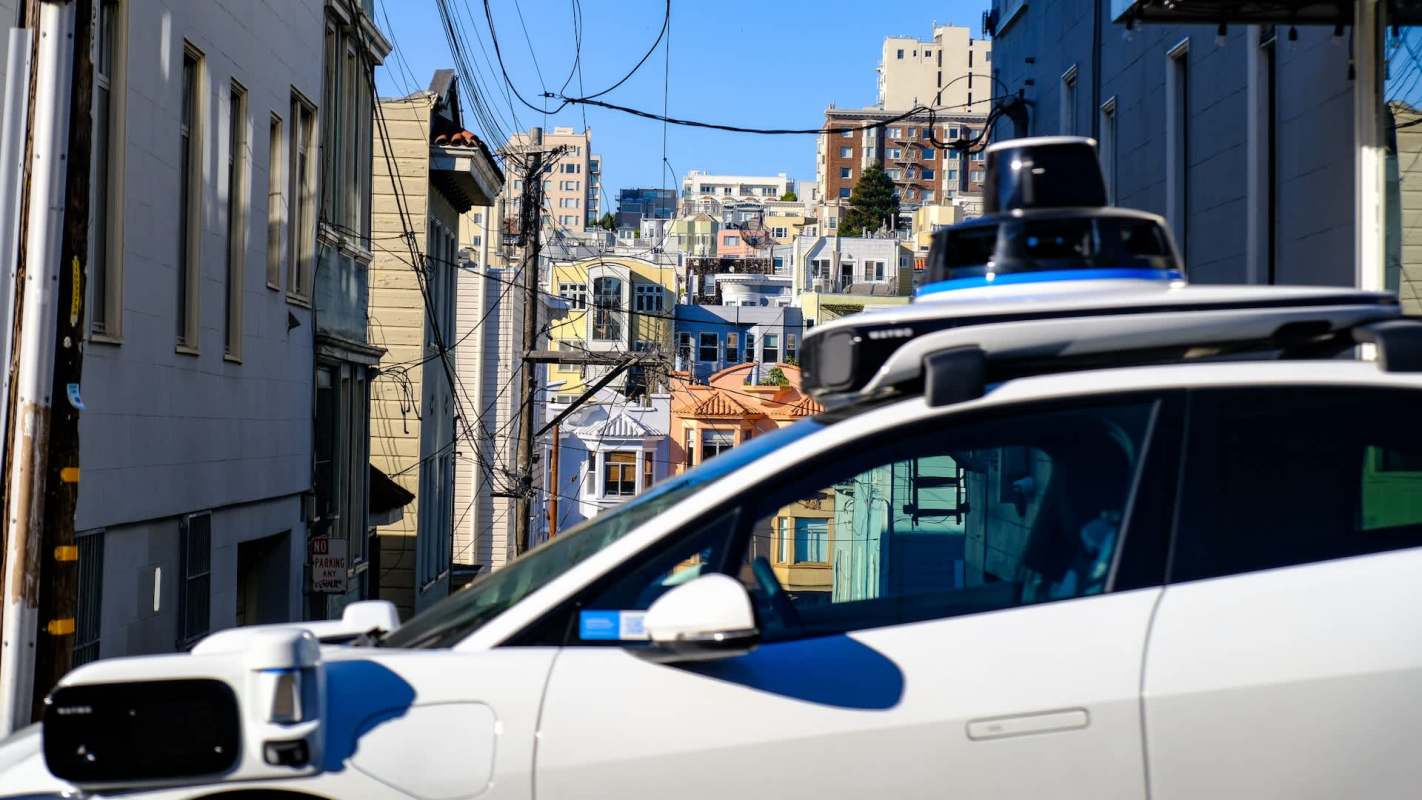
Waymo, the country's leading autonomous ride-hailing service, relies on overseas workers in the Philippines to guide its supposedly self-driving vehicles through tricky situations, raising major questions about safety and transparency in the burgeoning robotaxi industry.
What's happening?
Per Futurism, Waymo's chief safety officer Mauricio Peña testified before Congress on Feb. 4, answering pointed questions about remote operators working from international locations who assist the company's thousands of robotaxis operating across 10 major cities in the United States.
The testimony followed a week after one of the company's vehicles struck and injured a child outside a Santa Monica, California, elementary school — prompting federal authorities to launch an investigation.
Peña confirmed during the hearing that operators work from various locations, including the Philippines. He maintained they "provide guidance" without remotely driving vehicles, insisting Waymo software is "always in charge of the dynamic driving tasks," per Futurism.
However, company materials from May 2024 describe how these agents select lanes for vehicles and suggest navigation routes when cars encounter unusual road conditions, per the news outlet.
Tesla VP of vehicle engineering Lars Moravy acknowledged his company employs comparable remote assistance during the same hearing.
TCD Picks » Quince Spotlight
💡These best-sellers from Quince deliver affordable, sustainable luxury for all




Why is Peña's testimony important?
Outsourcing these critical safety decisions can have a major impact on everyday people sharing the roads with robotaxis. Children walking to school, commuters, and cyclists all face risks from vehicles whose "autonomous" operation depends partly on workers thousands of miles away.
Senator Ed Markey criticized the arrangement, stating that "having people overseas influencing American vehicles is a safety issue," citing outdated information risks and cybersecurity vulnerabilities, per Futurism.
"We don't know if these people have U.S. driver's licenses," Markey noted, according to the outlet. "It's one thing when a taxi is replaced by an Uber or a Lyft. It's another thing when the jobs just go completely overseas."
The setup relies on operators who may be unfamiliar with U.S. traffic laws and local road conditions, yet they must make major navigation decisions without being able to directly control steering.
|
What's the most you'd pay per month to put solar panels on your roof if there was no down payment?
Click your choice to see results and speak your mind. |
 $200 or more 💰
 Federal safety data shows that Tesla robotaxis experience a crash rate three times that of human drivers despite onboard safety monitors.
Per Futurism, Markey warned that, "overseas remote assistance operations may be more susceptible to physical takeover by hostile actors, potentially granting them driver-like control of thousands of vehicles transporting passengers on American roads."
What's being done about robotaxi safety?
Tesla recently suspended fully unsupervised robotaxi operations and now requires human safety monitors in all vehicles.
Consumers can demand more transparency from autonomous vehicle companies around their practices. Understanding misleading marketing practices and greenwashing can help you critically evaluate corporate claims about "self-driving" technology more critically.

Get TCD's free newsletters for easy tips to save more, waste less, and make smarter choices — and earn up to $5,000 toward clean upgrades in TCD's exclusive Rewards Club.






