


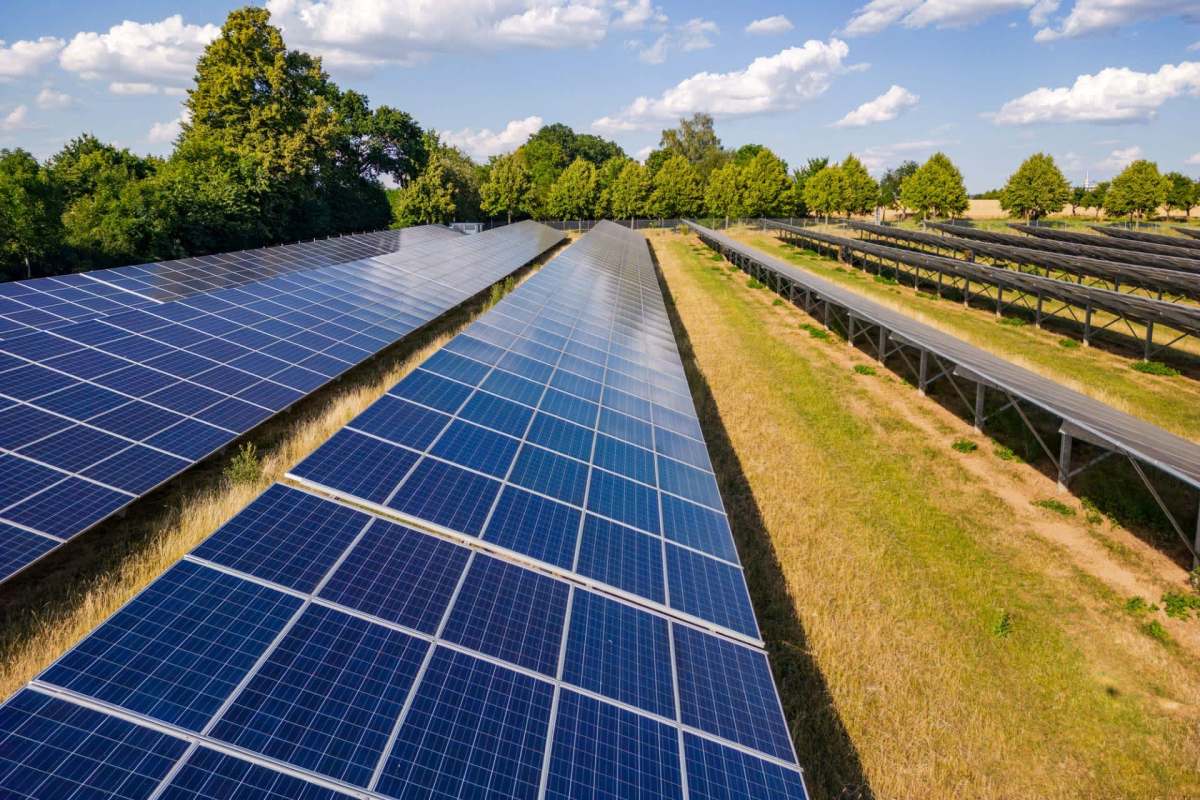
The sun is rising on solar power in the Philippines. Citicore Renewable Energy Corporation recently opened a solar power plant called CS Batangas 1, which is the country's first solar power plant capable of providing steady, around-the-clock electricity — even after the sun goes down.
With construction costs of about 10 billion Philippine pesos (about $170 million), the facility is located in the province of Batangas, about two hours south of Manila. According to Philstar, the facility combines a 197-megawatt solar array with a 320-megawatt-hour battery storage system. This battery storage allows the plant to store any excess solar power created during the day for use during off-peak hours. This enhances solar reliability — and reduces reliance on the grid even when the sun isn't shining.
The plant is expected to supply electricity to roughly 158,000 homes, offering a more affordable and sustainable energy source for Filipino households. Along with providing homes with more affordable power, the power plant could help reduce carbon pollution by 265,000 tons per year, marking a huge step forward in the Philippines' clean energy goals.
Philstar reports that the solar farm also supports local agriculture through agrivoltaics, which is when crops are planted beneath and around solar panels for dual land use. This helps lessen land-use competition between agriculture and energy — and also maximizes land productivity and local food security.
Switching to solar is one of the smartest ways to lower energy costs while reducing planet-warming pollution. Solar power is clean, abundant, and endlessly renewable, offering a dependable alternative to grid electricity, which still relies heavily on dirty energy like gas, coal, or oil. By tapping into the sun's energy, we can lessen our dependence on dirty power, help combat rising global temperatures, improve air quality, and protect natural ecosystems.
The Philippines is naturally suited for solar energy, making the investment in the sector especially worthwhile. The Philippines lies close to the equator, receiving high levels of year-round sunlight.
Unfortunately, the Philippines is also naturally vulnerable to climate shifts, facing frequent typhoons, flooding, and rising sea levels. Transitioning to clean energy is therefore not just an environmental goal — it's a matter of resilience and survival for communities already feeling the effects of climate shifts.
The benefits of solar are especially notable given the country's heavy dependence on imported coal and oil, which leaves the nation vulnerable to global price hikes and supply disruptions. As a lower-middle-income country where around 15% of the population lives in poverty, access to affordable, locally generated power can play a key role in reducing inequality and driving inclusive growth.
To help make solar power more widely available, Citicore Renewable Energy Corporation plans to launch 11 additional solar projects in the Philippines by the end of the year, according to Philstar. Many of these projects will include battery energy storage systems similar to CS Batangas 1. Together, these projects aim to deliver 1 gigawatt of total capacity, enough to power more than 800,000 homes and reduce carbon pollution by an estimated 2.8 billion tons annually.
As Philstar reports, these strides support the country's goal of increasing its clean power share to 35% by 2030 and 50% by 2040, marking an important step toward a cleaner, more resilient, and more equitable energy future.
TCD Picks » Quince Spotlight
💡These best-sellers from Quince deliver affordable, sustainable luxury for all




|
Should the government offer tax incentives for energy-saving home upgrades? Click your choice to see results and speak your mind. |
 Absolutely 👍
Join our free newsletter for good news and useful tips, and don't miss this cool list of easy ways to help yourself while helping the planet.
Cool Picks




