


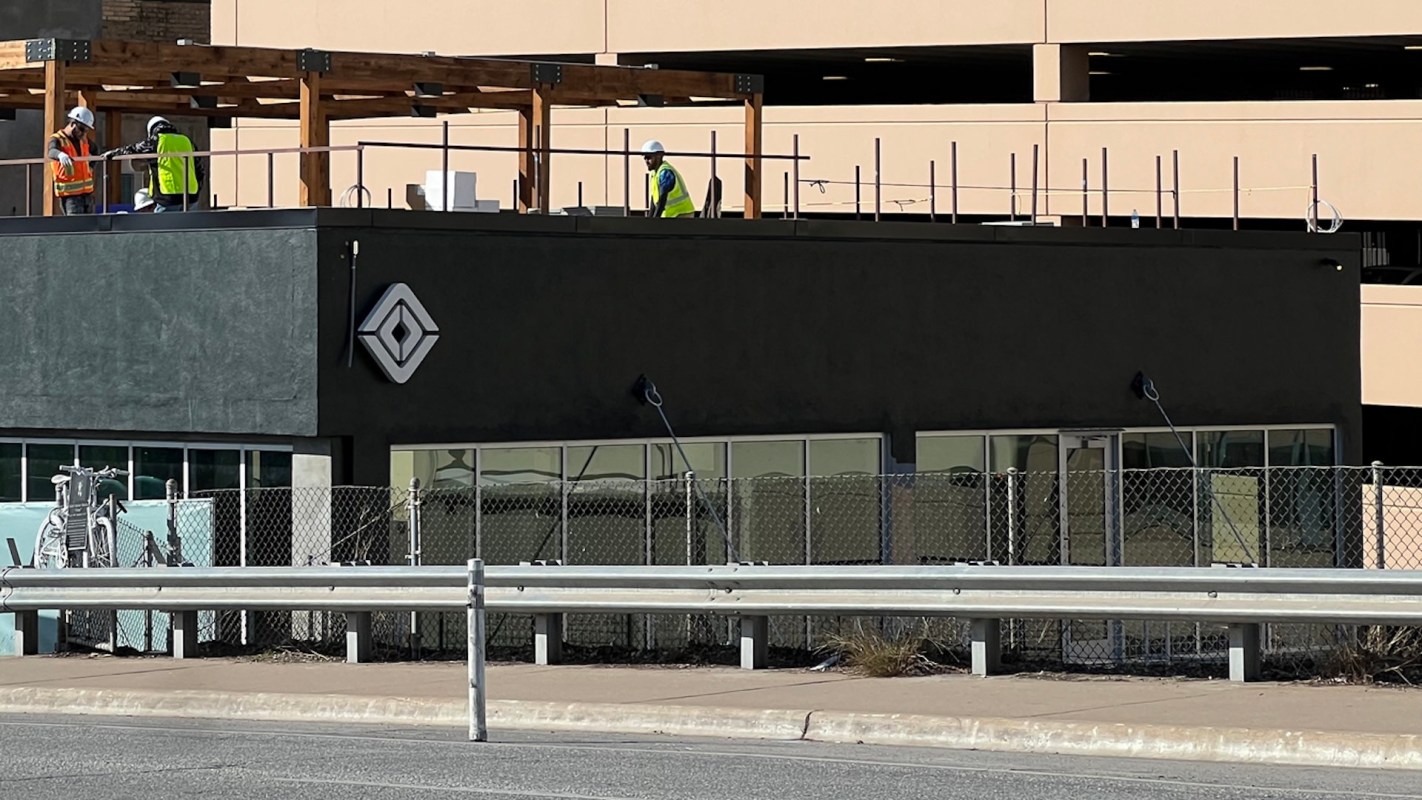
EV-maker Rivian announced that it will shed nearly 1.5% of its workforce as the company continues to adjust to a changing regulatory landscape and prepares for the launch of its new, more affordable SUV in 2026, The Wall Street Journal reported.
Rivian said that the job cuts were limited to its commercial team, which is responsible for sales and servicing operations.
"We have made some recent changes to the commercial team as part of an ongoing effort to improve operational efficiency for R2," a company spokesperson said, per the Journal, referring to the company's new SUV.
Analysts have projected that the new R2 SUV will start at about $45,000, roughly two-thirds the price of Rivian's current models. The R1S SUV has a starting MSRP of around $77,000, and the R1T pickup begins at about $71,000, per the Journal.
Rivian was just the latest automaker to announce layoffs or production cutbacks in light of recent changes to EV tax incentive programs and the overall automotive regulatory structure.
Electric-vehicle tax credits of $7,500 are now set to end Sept. 30 rather than extending through 2032, as originally planned.
In August, General Motors, which has recently made huge strides in its EV business, announced temporary layoffs for 360 workers at its Factory ZERO facility in Detroit, according to CBS News.
"Factory ZERO is making temporary adjustments to production to align to market dynamics," Kevin Kelly, a GM spokesperson, said at the time, per CBS News.
While the expiration of EV tax credits has gotten most of the attention, EV-only companies like Rivian, which do not make any gas-powered vehicles, have also faced other regulatory headwinds.
Specifically, automakers no longer face hefty fines for violating Corporate Average Fuel Economy standards, Reuters reported in July.
TCD Picks » Quince Spotlight
💡These best-sellers from Quince deliver affordable, sustainable luxury for all




|
Would you still consider buying an EV if there weren't tax incentives for doing so?
Click your choice to see results and speak your mind. |
 Definitely 👍
 "The decision is one of a number made by Washington to make it easier for automakers to build gasoline-powered vehicles and to make electric vehicle sales more costly," Reuters said at the time.
Under the CAFE program, automakers were required to make their fleets more fuel-efficient or face significant fines, which for some companies reached into the hundreds of millions of dollars, per Reuters.
In the alternative, noncomplying car companies were able to purchase credits from EV-only makers such as Tesla and Rivian to bring their vehicle lineups in line with CAFE standards.
Tesla had received $2.8 billion globally under such programs, per Reuters, while Rivian said in a court filing that the change in policy could cost the company $100 million, according to The Wall Street Journal.
With the $7,500 tax credit for EVs expiring Sept. 30, those who are thinking about upgrading to an electric vehicle should act quickly to take advantage — unless, of course, you're waiting for that R2 model from Rivian, which is set to begin mass production in 2026.

Join our free newsletter for good news and useful tips, and don't miss this cool list of easy ways to help yourself while helping the planet.
Cool Picks




