


One country is taking drastic measures to protect its vulnerable ecosystems from plastic pollution and promote healthy biodiversity.
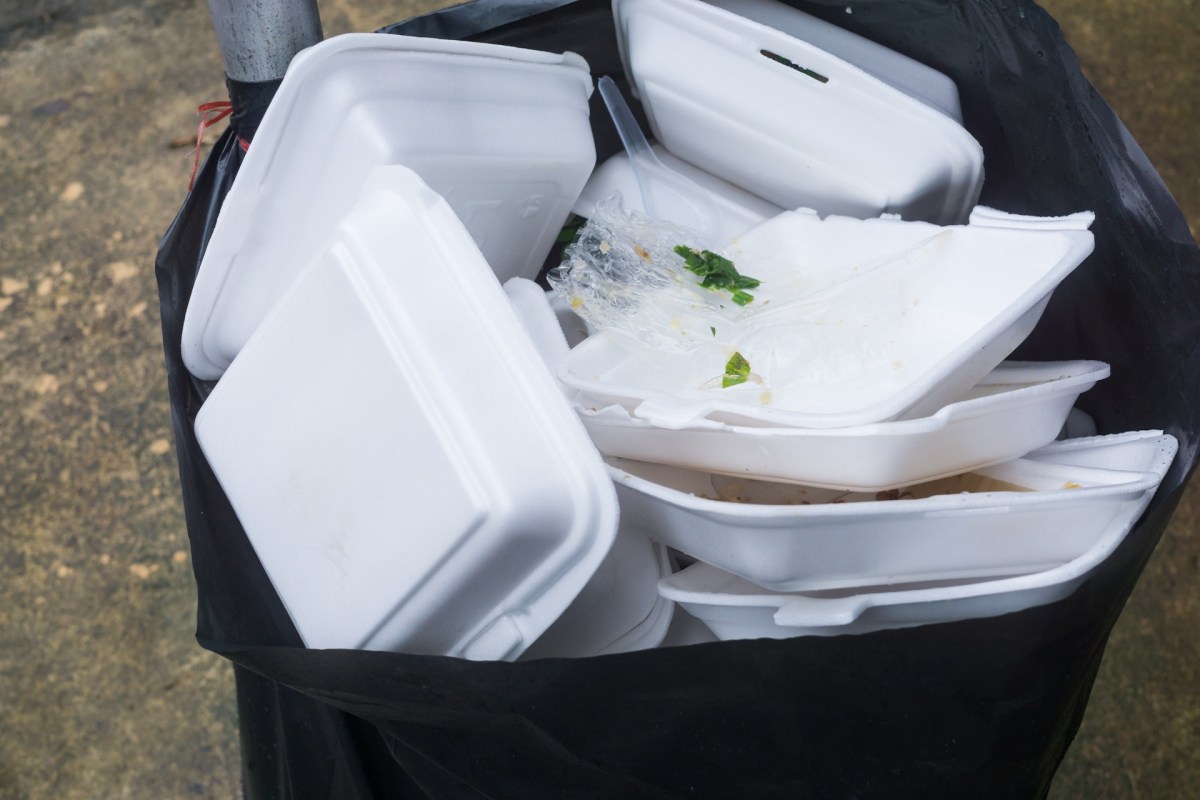
As reported by Prensa Latina, Panama's Ministry of the Environment has announced a ban on single-use plastics and polystyrene products in its protected areas. The ban will include all disposable plastic bottles, cups, plates, and expanded polystyrene trays.
Starting on Jan. 1, the ban will apply to all visitors, tour operators, researchers, volunteers, and public officials. The move directly addresses the growing amount of plastic waste accumulating inside the country, particularly in its national parks, marine protected areas, and wildlife refuges.
According to the Global Plastic Action Partnership, Panama produced more than 380,000 tons of municipal plastic waste in 2022. However, almost 90% of that plastic waste is not properly managed. As a result, the waste can end up in landfills or even scattered across the environment as litter.
Since most plastic products are not biodegradable, they naturally break down extremely slowly over time. This means that it can take hundreds of years for a piece of plastic to decay. Meanwhile, they are being weathered by outside forces and transformed into microplastics, which can leach into the soil and nearby waterways or even become accidentally ingested by wildlife. Microplastics can ultimately work their way into the food chain, affecting the human population and presenting several potential health concerns.
While plastic bans are designed to help protect communities and ecosystems in the long run, they can present temporary challenges in the short term. Consumers sometimes see increased prices when instructed to use reusable products. However, as advancements are made in the production of plastic alternatives, the transition to their use may become more affordable.
Panama's single-use plastics ban becomes just the latest measure introduced by the country in an effort to combat the effects of plastic waste. In 2025, the officials introduced the Panama National Action Roadmap, a strategy aimed at drastically reducing plastic pollution and achieving 58% plastic circularity by 2040.
"Every year, tons of plastic waste affect our communities, harm our ecosystems, and threaten our health," said Oscar Vallarino, Vice Minister of Environment in Panama, per the Global Plastic Action Partnership. "This roadmap represents a country-wide vision, built through a participatory process, and will serve as a strategic tool to decisively confront one of the most urgent environmental challenges of our time: plastic pollution."
|
Should states be allowed to ban plastic items from businesses? Click your choice to see results and speak your mind. |
 Definitely 👍
Join our free newsletter for good news and useful tips, and don't miss this cool list of easy ways to help yourself while helping the planet.
Cool Picks





